
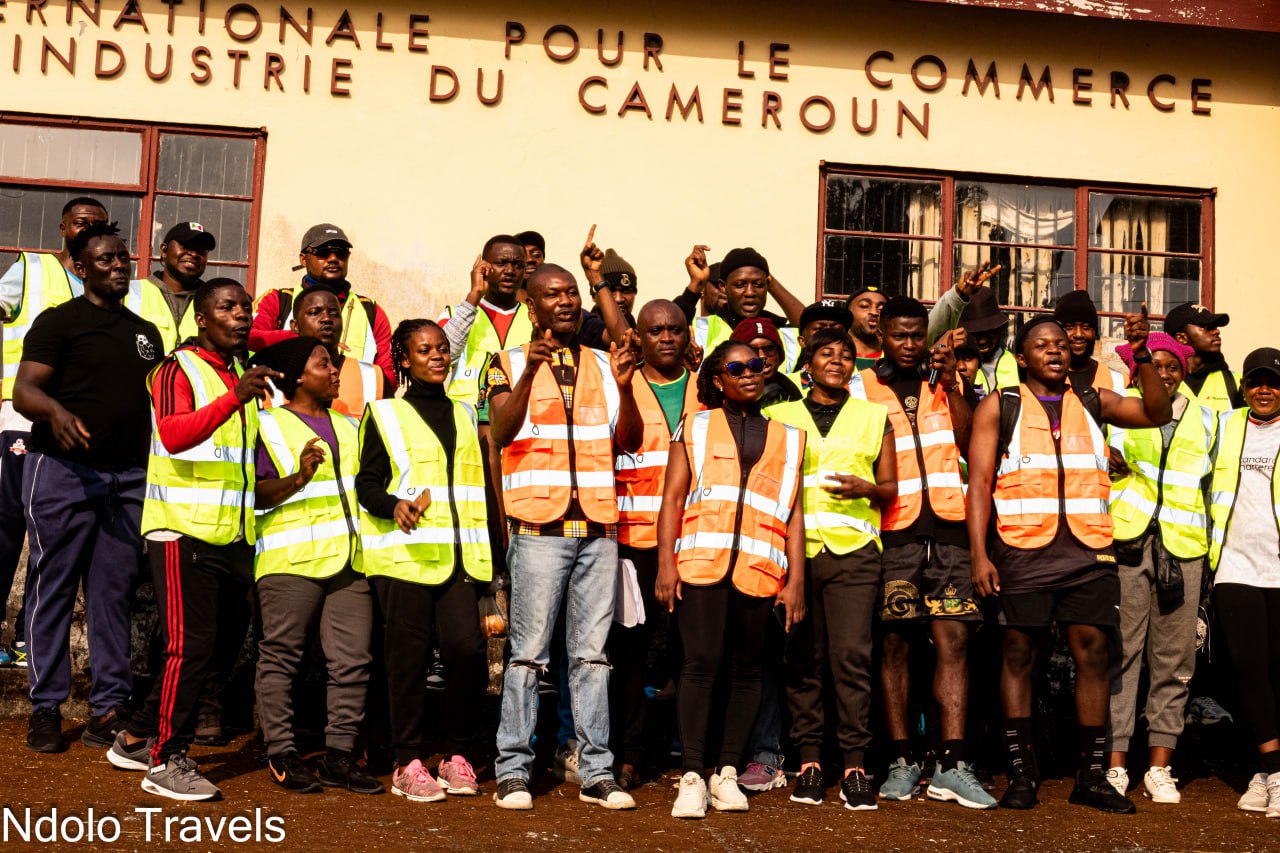
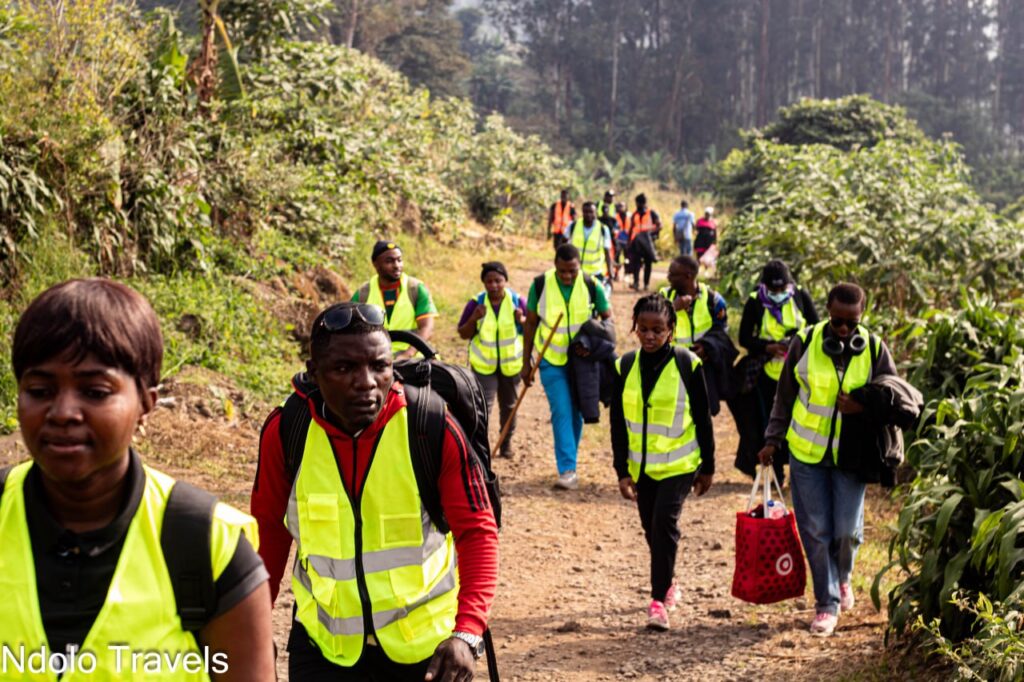
 Mount Cameroon isn’t just a mountain. It’s a story, a challenge, a journey that tests your strength and rewards your courage. I’ve had the privilege of leading so many people up its slopes — from first-time hikers unsure if they could make it, to seasoned adventurers chasing the thrill of Africa’s highest peak. Every climb is different, every sunrise at the summit feels like a gift, and every journey leaves memories that stay with you long after you step back into city life.
Over the years, I’ve learned the little things that make the climb easier, safer, and more magical — from picking the best routes, knowing when to pause and soak in the view, to making sure every hiker feels supported and encouraged along the way. And whether you’re planning to tackle Mount Cameroon on your own or want someone to handle the planning, logistics, and guidance, this guide has everything you need to prepare and experience the climb fully.
Keep reading, and I’ll take you through everything — what to pack, how to train, the routes, tips for safety, and how Ndolo Travels can make your adventure truly unforgettable.
Why Hike Mount Cameroon?
Standing at 4,040 meters, Mount Cameroon is more than just the tallest mountain in West Africa — it’s a living, breathing adventure that commands respect, patience, and courage. Its slopes are alive with energy, from the lush rainforests dripping with dew and echoing with birdsong, to the bamboo thickets swaying gently in the wind, to the jagged lava fields near the summit that remind you of the raw power of nature. Every step you take is a reminder that you are part of something bigger, something ancient, and something that doesn’t care about your plans — the mountain moves at its own pace, and you must learn to move with it.
Hiking Mount Cameroon isn’t just about reaching the top; it’s about everything that happens along the way. It’s the quiet moments before sunrise when the world feels like it’s holding its breath, the laughter shared with fellow hikers to push through a steep incline, the small victories that feel enormous when you finally crest a ridge or navigate a tricky patch of lava. Each moment tests you physically, mentally, and emotionally — and in testing you, it also teaches you.
From my experience leading people up this mountain, I’ve seen it change lives. It teaches resilience — when your legs burn, your lungs ache, and every step feels impossible, you find a strength you didn’t know you had. It teaches patience — the summit isn’t achieved by rushing, but by pacing yourself, listening to your body, and trusting the journey. It teaches humility — the mountain reminds you that nature is bigger than you, and that you are a guest in its world. It teaches gratitude — for water, for a warm jacket, for a guiding hand, for shared smiles and encouragement.
But it doesn’t stop there. Hiking Mount Cameroon reconnects you to yourself and to life in ways that city streets never can. You learn to be present, noticing the small wonders: the way sunlight filters through the misty forest, the distant call of a monkey, the feel of cool volcanic rock under your hands. You learn courage, not in grand gestures, but in the quiet determination to keep going when your body says no. You learn connection — with fellow hikers, your guide, and with the mountain itself. Every step teaches you something about endurance, about letting go of control, and about finding joy in the journey rather than just the destination.
Every person who climbs this mountain comes down a little different. Stronger. Wiser. More patient. More aware of their own limits, and more amazed at what they are capable of. It’s an adventure that leaves you exhausted but exhilarated, tested but triumphant, and forever changed. If you’ve ever wanted a real adventure, a chance to disconnect from the noise of city life, to push yourself beyond what you thought possible, or to feel a deep, soul-stirring sense of accomplishment, Mount Cameroon isn’t just a mountain — it’s a teacher, a challenge, and a story you’ll carry with you for the rest of your life.
And the best part? You don’t have to face it alone. I’ve led countless hikers up this mountain, and each journey has shown me how much richer the experience is when you have guidance, support, and someone who knows the trails, the moods of the mountain, and the little secrets that make the climb smoother and more magical. Whether you want to tackle it yourself or let Ndolo Travels handle the planning and logistics, Mount Cameroon promises an adventure that will stay with you forever — and we’re here to make sure you get the most out of every step.
Getting There
Mount Cameroon, the “Mountain of Greatness,” towers proudly near the city of Buea in the Southwest Region of Cameroon. It’s the highest peak in West Africa and a must-do for any adventurer visiting the country. Most hikers begin their journey from Buea, a city easily accessible by car or bus from Douala or Yaoundé.
Tip: Arrive in Buea at least a day before your climb. This isn’t just about comfort — your body needs time to adjust to the altitude, and a restful night ensures you start the hike energized and ready to embrace the mountain.
If you’re coming from Douala or Yaoundé, your journey begins with a drive to Buea. The roads are scenic, winding through the lush Southwest countryside, giving you a preview of the landscapes you’ll explore on the mountain. Once in Buea, your adventure officially begins: you’ll take a short drive to one of three main entry points to Mount Cameroon:
-
Buea Reunification Monument Entrance – The most popular route, perfect for first-time hikers. From here, the trail winds through forest paths and opens into breathtaking views as you ascend.
-
Bova Route – Motorable with a 4×4 truck, this path offers a slightly less crowded option. It’s ideal for those who want a mix of adventure and accessibility before hitting the trail.
-
Bokwango Entrance – The third main route, offering a unique path and slightly different scenery. Each entrance has its own character, but all lead to the heart of the mountain.
Tip: Even if you’re already in Buea, you’ll still need a short drive to reach your chosen starting point. Ndolo Travels can arrange transportation from Douala, Yaoundé, or Limbe straight to your trailhead — removing the stress and confusion of navigating unfamiliar roads.
Mount Cameroon is magnificent, but it’s also challenging. The trails can be tricky, the weather unpredictable, and the terrain unfamiliar for first-time climbers. That’s why having a local guide is a must if you’ve never climbed before. Our guides are more than navigators — they’re storytellers, sharing the history, legends, and hidden gems of the mountain as you climb. They ensure your safety, pace your ascent, and make your hike an unforgettable experience rather than just a climb.
With Ndolo Travels, every detail of your Mount Cameroon adventure is covered — from transportation to entry points to a knowledgeable local guide by your side. All you need to do is show up, breathe in the fresh mountain air, and take in the awe-inspiring views.
Choosing Your Route
Mount Cameroon has a personality. Each trail is alive, and every path tells a different story. Over the years, I’ve guided hikers up this mountain — some nervous, some overconfident, some just chasing the thrill of standing on West Africa’s highest peak. Every journey is unique, and picking the right route can shape your entire experience.
Main Entrance through Upper Farms, Buea – This is where most hikers start, and I’ve led countless first-timers along this path. The climb begins among the upper farms in Buea, where you can still see small villages and farmers tending the land, and the air smells fresh, damp, and alive. The trail snakes into thick tropical rainforest, alive with birdsong and the chatter of monkeys swinging through the trees. As you gain altitude, the bamboo forests appear, moving gently in the wind, like nature itself is cheering you on. When you finally reach the lava fields near the summit, the view takes your breath away. I’ve seen hikers pause, overwhelmed by the vastness around them, their hearts racing — but also filled with a sense of awe and quiet triumph. This route is challenging enough to push you, but accessible for those taking their first big mountain adventure.
Bova Road Route – This one is for those who want to feel the mountain in a different way. Steeper, quieter, and less traveled, it offers solitude that’s hard to find on the Upper Farms trail. One thing people often don’t know: you can actually drive part of this route with a 4×4, which makes it flexible if you want to save energy or enjoy the landscape from a vehicle before starting the hike. But make no mistake — hiking it still tests your endurance. The terrain is rugged, the paths are sometimes rocky and slippery, and every step demands attention. I’ve led hikers here who came down transformed — because it’s not just a climb, it’s a conversation with the mountain.
Bokwango Route – The Bokwango Route has always felt special to me. It’s quieter, older, and full of stories you won’t find in guidebooks. You walk through local villages, see farmers at work, and feel the rhythm of life on the mountain. It’s slower, more reflective, and perfect if you want to connect not just with nature but with the people who call this place home. The trail moves through forested stretches, rocky patches, and open viewpoints where you can stop, breathe, and let the mountain speak to you. I always tell hikers: “This is not a race. Listen to the mountain. It has something to teach you at every turn.”
A Word on Timing and Safety – I cannot stress this enough: hiking during daylight is always safest. Even on familiar trails, the mountain can surprise you — loose rocks, slippery slopes, fog that hides the path. If you plan a night hike to catch the sunrise, bring a reliable torch or headlamp, and always hike with someone who knows the trails. I’ve seen the mountain test people’s confidence, and it’s always better to be prepared than regretful.
With Ndolo Travels, I walk with you — literally and figuratively. I help you pick the route that matches your energy, your goals, and the kind of story you want to take home. I know every twist of these trails, the secret resting spots, the best views for photos, and when to push forward versus when to pause. Whether you want the well-traveled Upper Farms path, the adventurous Bova Road climb, or the reflective journey through Bokwango, we make sure your experience is unforgettable, safe, and deeply personal.
What to Pack
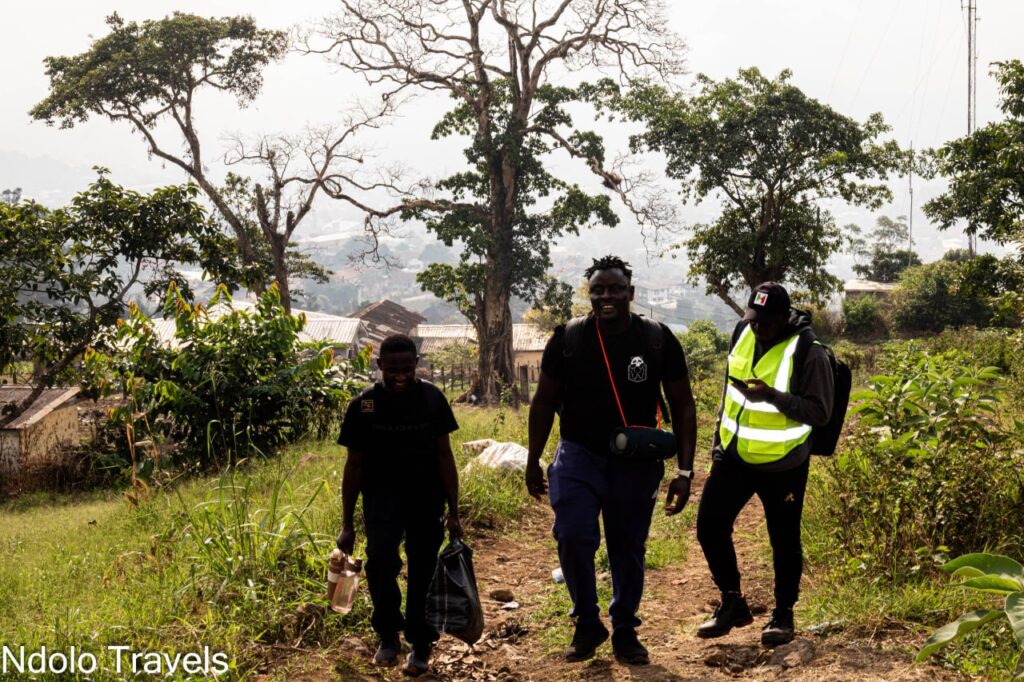
Hiking Mount Cameroon is an adventure that tests your body, mind, and spirit. Preparation is key — not just for your comfort, but for your safety and enjoyment. Over the years of leading hikers, I’ve learned that carrying too much slows you down and wastes energy, especially on this mountain where every step counts.
Here’s what you truly need:
Clothing: Lightweight layers that you can add or remove as the temperature changes, a waterproof jacket for sudden rains, sturdy hiking boots, a hat, and gloves — it gets cold near the summit, and wind can be sharp.
Backpack: Keep it small and comfortable. There’s no need to overpack — the lighter your load, the easier your climb. Bring only water, snacks, and essential personal items.
Food & Water: At least 2 liters of water per person and energy bars or small snacks are enough. You’ll find resting lodges along the way where you can eat, hydrate, and recharge.
Navigation & Safety: A headlamp if you plan to hike very early for sunrise, a map, compass, and a small first-aid kit.
Extras: Sunglasses, sunscreen, trekking poles, a camera, and a power bank for photos and emergency use.
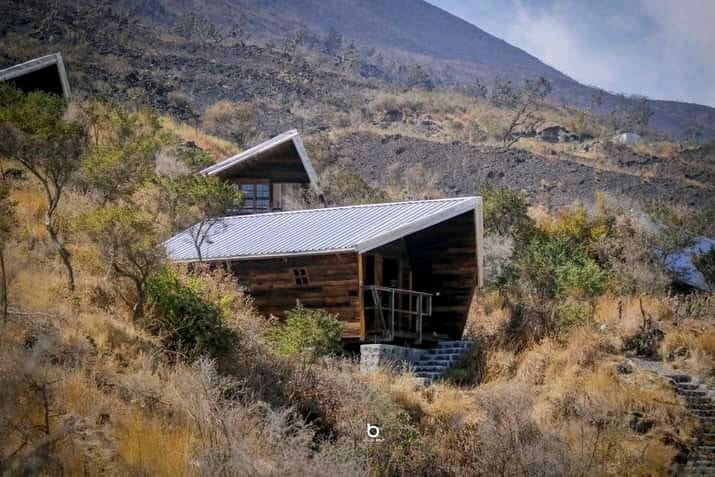
Resting and Lodges on the Mountain: The mountain has several designated resting points. At Hut One and the Intermediary Hut, you can stop, hydrate, and rest without carrying excessive food or gear. Hut Two offers a lodge where hikers can sleep if you plan a longer climb or need to acclimatize. Near the summit, there’s a third hut where you can pause and rest before the final push. Because of these rest points, it’s best to bring only essential clothing, hydration, and safety items — this reduces energy waste and keeps the mountain clean. Mount Cameroon is an ecologically protected area, and every piece of litter you avoid helps preserve its beauty for generations of hikers.
When you hike with Ndolo Travels, we make this easy. We provide guidance on what to pack, suggest exactly what’s necessary, and even supply some essentials so you can focus entirely on the experience, the views, and the stories of the mountain — without worrying about overpacking or damaging the environment.
Fitness & Preparation
Listen, climbing Mount Cameroon isn’t just about putting one foot in front of the other. It’s a journey that tests both your body and your mind. You don’t need to be an elite athlete, but a reasonable level of fitness will make your hike far more enjoyable, less exhausting, and far more rewarding. Over the years of leading hikers, I’ve noticed a pattern: those who are physically prepared but mentally shaky struggle, and those who are mentally strong but physically unready hit walls quickly. The key is balance.
Cardio for Breathing and Stamina:
When we start the climb, your lungs will scream, your heart will race, and the steep slopes will test your endurance. That’s why short hikes or brisk walks in the weeks leading up to the climb are essential. Jogging, cycling, or any light cardio will strengthen your lungs and heart, making it easier to breathe at higher altitudes. Every bit of stamina you build now pays off when the mountain demands more than you think you can give.
Leg Strength: Squats, Quads, and Glutes:
Your legs are the workhorses of this hike. The quads and glutes do most of the heavy lifting — powering you up slopes, stabilizing you on uneven paths, and keeping you moving when fatigue sets in. Squats, lunges, and step-ups are your best friends here. Train these muscles in advance so when the climb gets steep, your body won’t give out before your spirit does. I always tell my hikers: “If your legs are strong, the mountain feels easier — but if they aren’t, every step will feel like carrying a ton of weight.”
Mental Fitness: The Mountain Tests Your Mind:
Mount Cameroon isn’t just physical; it’s mental. The trails are long, sometimes slippery, sometimes deceptively easy until the slope catches you off guard. You’ll feel doubt, fatigue, and maybe even fear. That’s why mental preparation is just as important as your fitness routine. Visualization helps — imagine yourself at the summit, soaking in the clouds and sunrise, feeling the triumph. Remind yourself why you started, and keep your mind focused on the journey, not the discomfort. A physically fit person who isn’t mentally ready may give up too soon, and a mentally strong hiker who isn’t physically prepared may hit the limits of their body. The secret is both, and practicing mental resilience ahead of time will make the mountain feel like a challenge you can meet, rather than a wall you can’t overcome.
Hydration, Nutrition, and Sleep:
Don’t underestimate the basics. Drink water consistently before your hike, eat energy-rich meals, and get proper sleep. Your body is your vessel — treat it well and it will carry you up the mountain.
Guidance on the Trail:
When you hike with Ndolo Travels, we don’t just walk with you. We coach you on pacing, help you listen to your body, advise when to rest, and watch for signs of altitude sickness. We’ll keep your energy balanced, your morale high, and your experience unforgettable. Our job is to make sure your body and mind work together, so that when you reach the summit, it’s not just a climb — it’s a victory you feel in every fiber of your being.
On the Mountain
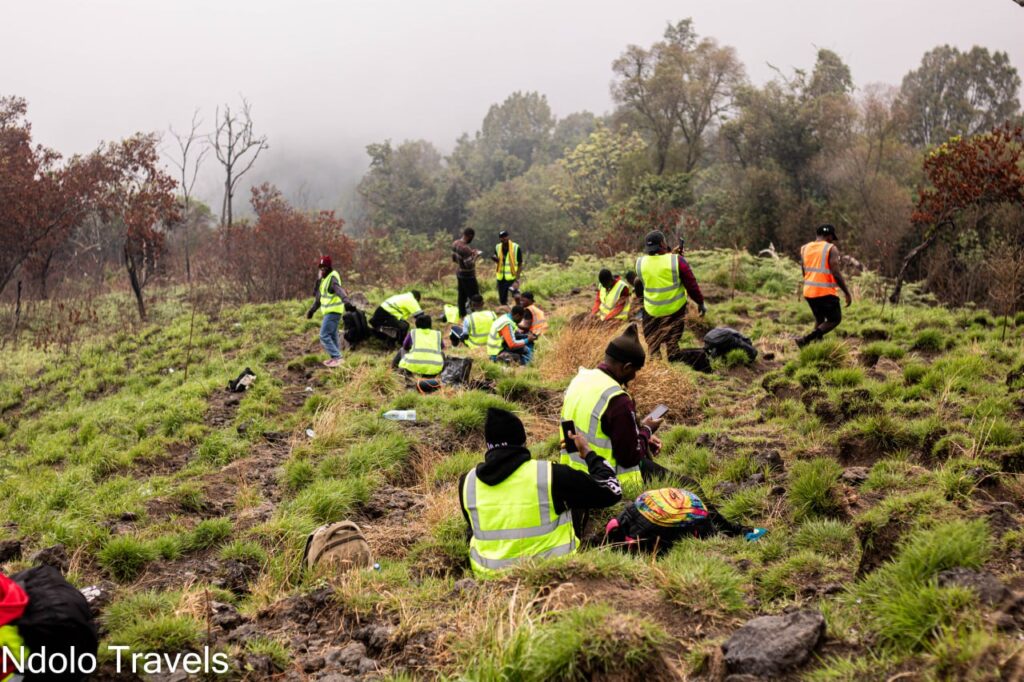
The climb begins at the edge of the forest, where the trail from the upper farms in Buea winds gently into the greenery. The air is cool, damp, and alive with the smell of earth and leaves. You might hear the distant rustle of animals, but don’t expect monkeys at every turn — they’ve grown quieter in recent years. Instead, your eyes catch the shifting greens of the forest, the light breaking through the canopy, and the occasional glimpse of tiny insects and forest birds going about their lives. The first zone is dense and quiet, a soft, almost meditative start to what will be a very physical day.
As you climb higher, the forest opens into the savannah. Here the grasses and shrub trees stretch wide under the sun, and the landscape suddenly feels larger, freer. The real treasures of this zone are the rare birds unique to Mount Cameroon, especially the bishops. The males have long tail feathers that trail elegantly as they move, while the females are slightly larger and more grounded. Spotting them feels like a reward, a secret shared with those who slow down and pay attention. The savannah is exposed and the trail more open, so the heat and sun demand careful pacing and hydration.
Beyond the savannah, the vegetation thins into shrubs and rocky terrain. The soil grows sandy, and the slopes become steeper, signaling that the summit is near. Every step is deliberate now; the mountain doesn’t rush, and neither should you. You feel your legs working harder — your quads and glutes burning as you push upward — and every pause is a chance to look back and see how far you’ve come.
Along the climb, there are three main huts where hikers can rest:
-
Hut One is the first stop for a short break and hydration.
-
The Intermediary Hut (Hut 1B) lies between Hut One and Hut Two. It’s a quieter spot where you can catch your breath, adjust your layers, and take a moment to absorb the view.
-
Hut Two, my favorite, is an ecological lodge. It has a restaurant where hikers can eat, showers to wash off the sweat and dirt, water points to refill bottles, and even a small shop for snacks or drinks. Many hikers choose to sleep here overnight to start the final summit push fresh in the morning.
-
The Third Hut, close to the summit, is for a quick rest before the last stretch. It’s not for sleeping but provides a place to pause, hydrate, and adjust before tackling the lava fields and sandy ridges that lead to the top.
Because of these huts, you don’t need to carry everything with you — only the essentials: water, layers, and safety items. Traveling light conserves energy and helps protect the mountain, which is an ecologically protected area.
Hiking Mount Cameroon is a mixture of effort, observation, and awe. You move through zones that feel completely different from one another — quiet forest, open savannah with rare birds, rugged rocky slopes, and finally the surreal landscape of the summit, with sandy soil and jagged lava fields glowing in the first light of sunrise. Along the way, fatigue hits, but so do moments of wonder: the way the wind shifts over the grasses, the call of a bishop bird, the sun filtering through mist on the slopes. By the time you reach the top, every drop of sweat and every pause along the huts tells a story — one of perseverance, beauty, and connection to a mountain that has been alive for centuries.
With Ndolo Travels, you don’t just hike — you experience. I guide people through these zones, pointing out what to see, when to rest, how to pace themselves, and how to respect the mountain while still enjoying every step. This isn’t a climb you forget. It’s a story you carry with you long after the summit.
Tips for a Safe and Memorable Hike
Walking up Mount Cameroon is as much about awareness and preparation as it is about strength. Over the years of guiding hikers, I’ve learned that the climb isn’t just about reaching the summit — it’s about moving safely, respecting the mountain, and enjoying every step along the way. Here’s how I prepare my hikers and what I always tell them before we begin:
Hire a guide: Even if you’ve tackled mountains before, Mount Cameroon has secrets that only those who know it well can navigate. The paths can change with the seasons, rocks can be slippery, and the higher slopes can hide hazards beneath the sand. A guide isn’t just someone to follow — they’re your eyes on the trail, your safety net, and your storyteller. I’ve led hikers who were confident they could go alone, and even the strongest hikers breathe easier when they have someone familiar with every turn, every hut, and every hidden rest spot. Your guide will pace you, help you avoid unnecessary fatigue, and make sure you arrive at the summit safe, energized, and ready to take in the view.
Check the weather: The mountain can change moods quickly. Clouds sweep in, rain can turn trails to slippery mud, and sun in the savannah zone can feel harsh. I always tell my hikers: “The mountain doesn’t rush — you shouldn’t either.” Planning your hike with the weather in mind is key. Sometimes waiting an extra hour to start or delaying the summit push by a day makes the difference between a stressful climb and a breathtaking adventure. Rain is part of the mountain, and with the right gear and timing, it can even make the trails feel magical — but preparation is everything.
Travel light: Every extra gram in your backpack matters. You don’t need to carry the kitchen sink — the mountain provides resting points and lodges along the way. Only bring the essentials: water, layers, snacks, safety gear, and a headlamp if you’re starting before sunrise. The huts — Hut One, the Intermediary Hut (Hut 1B), Hut Two ecological lodge, and the Third Hut near the summit — are there for a reason. You can rest, eat, hydrate, and even sleep at Hut Two if you want to break the climb into two stages. Traveling light preserves your energy, makes the climb more enjoyable, and ensures you can move freely through every zone — forest, savannah, shrubs, and rocky summit.
Acclimatize before climbing: The air in Buea is different from sea level, and your body needs time to adjust. I always recommend spending a day or two walking around town or exploring nearby hills. Even short, easy hikes help strengthen your lungs and get your legs ready for the mountain. I tell my hikers, “The mountain is like a friend — it responds better to someone who’s patient and prepared.” Proper acclimatization helps prevent dizziness, fatigue, and altitude sickness, letting you enjoy every breathtaking moment instead of worrying about your body.
Respect nature: Mount Cameroon is an ecologically protected area. The mountain has survived for centuries, and each hiker has a responsibility to protect it. Pack out all trash, avoid stepping off the marked trails, and be mindful of wildlife. The forest, savannah, shrubs, and summit all contain fragile ecosystems. Leave nothing but footprints and take nothing but memories. I always remind my hikers: “The mountain gives you its wonders — give it your respect in return.” By following this principle, you help ensure that future hikers will enjoy the same beauty, birds, plants, and vistas that you do today.
Use the huts wisely: The huts are not just shelters; they are part of your strategy. Hut One and the Intermediary Hut (Hut 1B) are perfect for brief rests, hydration, and adjusting layers. Hut Two is an ecological lodge with showers, water points, a restaurant, and a small shop for drinks and snacks — perfect for overnight rest if you want to start the summit push fresh. Near the top, the Third Hut is for a short rest before the final stretch. By planning your stops, you can conserve energy, stay hydrated, and enjoy the climb without overexertion.
Hiking Mount Cameroon safely is about balance: pacing your body, preparing your mind, respecting the mountain, and using the resources along the way. When you climb with Ndolo Travels, I don’t just walk beside you — I guide you through every decision, every step, and every rest point. My goal is simple: by the time you reach the summit, you feel strong, safe, and completely connected to the mountain, knowing you’ve done it right.
Do It Yourself or Let Ndolo Travels Handle Everything?
You can hike Mount Cameroon on your own if you’re prepared, adventurous, and confident navigating challenging trails. For independent hikers, there’s a certain freedom — you set your pace, choose your schedule, and experience the mountain on your own terms. You can take detours, linger at viewpoints, and make the climb entirely your own. But freedom comes with responsibility. Organizing the climb yourself means arranging transportation, securing permits, hiring guides and porters if needed, carrying all your food and water, planning meals, and knowing exactly where to rest and sleep. For many, this can quickly become overwhelming — a lot of logistics to juggle on top of the physical and mental demands of the mountain.
On the other hand, climbing with Ndolo Travels removes all that stress, so you can focus purely on the adventure. Here’s what we take care of:
-
Pick-up and transportation: We meet you in your city and bring you safely to the trailhead.
-
Experienced guides and porters: Our guides know the mountain intimately — every trail, every hut, every hidden viewpoint. Porters can help carry gear so you travel light and conserve energy.
-
Permits and safety checks: All the paperwork, trail permissions, and safety protocols are handled. You don’t have to worry about missing a detail that could delay your climb.
-
Meals and hydration: We provide food and drinks along the trail and ensure you stay nourished and hydrated without having to overpack.
-
Accommodation: Rest comfortably before and after the hike, whether at a lodge in Buea or at Hut Two on the mountain for an overnight stop.
With Ndolo Travels, all you need to bring is your sense of adventure, the right mindset, and your essential gear. You show up, and we guide you through the mountain safely and memorably.
Pros and Cons at a Glance:
Hiking Solo:
-
Pros: Freedom to move at your own pace, total control over the schedule, a personal sense of accomplishment.
-
Cons: You handle all logistics — transport, permits, guides, meals, safety; higher risk if something goes wrong; more planning stress; heavier packs and energy management required.
Hiking with Ndolo Travels:
-
Pros: Stress-free organization, expert guidance, safety oversight, meals and accommodation provided, lighter packs, access to insider knowledge and hidden viewpoints, more enjoyable experience overall.
-
Cons: Slightly less flexibility on timing, but we always adapt to your pace and preferences.
For most hikers, especially first-timers or those wanting to fully enjoy the mountain without worrying about details, going with Ndolo Travels is the smart choice. You get the magic of Mount Cameroon — the changing forests, the rare birds of the savannah, the sandy slopes, and the sunrise over the lava fields — without the weight of planning everything yourself.
Ultimately, whether you choose to hike solo or with us, the mountain rewards preparation, patience, and respect. With Ndolo Travels, we make sure your focus is entirely on the adventure, the stories you’ll carry home, and the unforgettable experience of standing on top of West Africa’s highest peak.
Final Thoughts
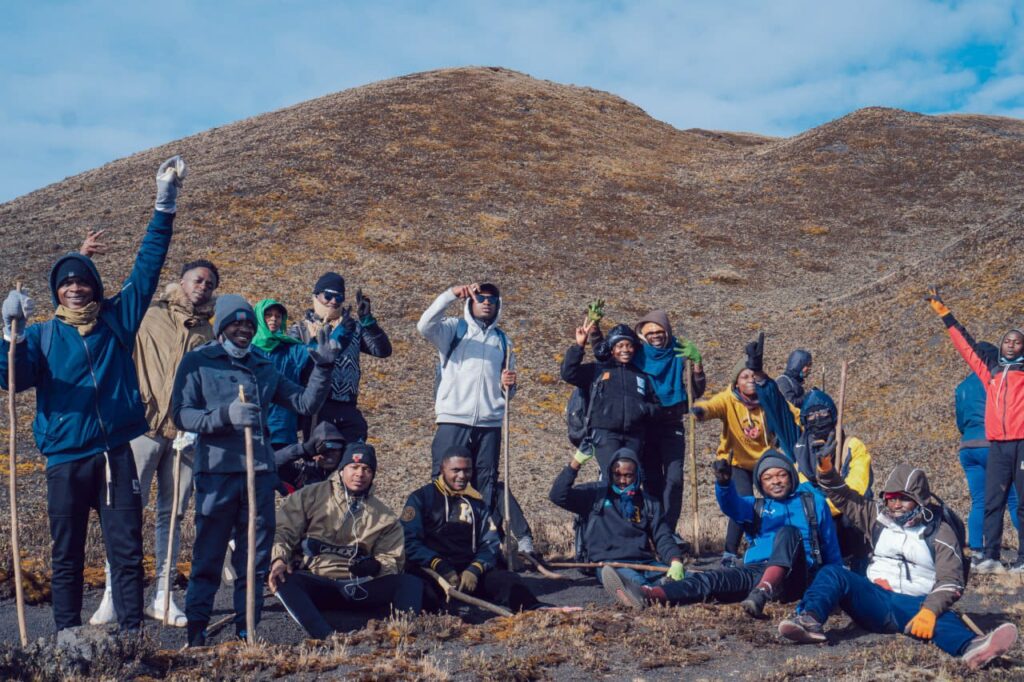
Hiking Mount Cameroon is more than just a trip — it’s an experience that stays with you long after you’ve returned home. Every step, every pause, every view tells a story of effort, awe, and discovery. Whether you choose to go solo, with friends, or with Ndolo Travels guiding the way, the mountain will challenge you, inspire you, and reward you in ways you never expected.
It won’t always be easy — there will be moments when your legs burn, your lungs ache, and doubt creeps in. But those are the moments that make the summit unforgettable. That’s when you realize how strong you really are, and how beautiful the world can be when you push past your limits.
If you’re ready to take on the climb, to chase the sunrise over lava fields, to hear the wind through the savannah grasses, and to create memories that will stay with you forever, Ndolo Travels is here to guide you every step of the way. We’ll handle the logistics, the safety, and the planning — all you need to bring is your courage, your curiosity, and your sense of adventure.
The mountain is calling. The journey is waiting. Will you answer?#
Mount Cameroon FAQ: Everything You Need to Know Before Your Hike
1. How long does it take to hike Mount Cameroon?
The duration of a Mount Cameroon hike depends on the route, your pace, and whether you choose to rest overnight at Hut Two. Most hikers take 2 to 3 days to complete the climb comfortably, though some experienced trekkers can do it in a long 24-hour push.
A typical schedule begins with an early morning start from Buea, hiking through the forest and savannah zones, and stopping briefly at Hut One or the Intermediary Hut (Hut 1B) to rest and hydrate. From there, you continue to Hut Two, the ecological lodge, where many hikers choose to stay overnight. Sleeping here allows your body to rest, recharge, and acclimatize for the summit push. On the second day, you start early — sometimes around 2–3 AM — to reach the summit by sunrise. The final stretch, through sandy slopes and rocky terrain, is challenging but incredibly rewarding. Descending can take several hours, depending on fatigue and trail conditions.
Traveling with Ndolo Travels ensures you have a realistic timeline and proper pacing. Our guides know where to pause, when to hydrate, and how to balance effort with rest. Climbing Mount Cameroon is as much about the journey as the summit, and having guidance ensures you enjoy every step without unnecessary strain.
2. Is it safe to hike Mount Cameroon?
Yes, Mount Cameroon is generally safe, but like any major hike, it comes with inherent risks. Slippery trails after rain, steep slopes, rocky sections near the summit, and sudden changes in weather are some of the challenges hikers face. That’s why preparation is key.
Safety comes down to preparation, awareness, and the right support. Hiking with a guide dramatically reduces risk because they know the terrain intimately and can anticipate hazards. Proper footwear, layers, hydration, and pacing also make a huge difference. Staying on marked trails and using the huts for rest ensures you’re never too far from shelter or assistance.
The mountain is an ecological treasure, and while it’s protected, hikers must respect the environment. Avoid littering, follow trail markers, and be mindful of slippery areas and steep drops. When these precautions are followed, and especially with experienced guides like those at Ndolo Travels, the hike is not only safe but immensely enjoyable.
3. Do you need a guide to climb Mount Cameroon?
Technically, no, you don’t have to hire a guide. Experienced hikers who are well-prepared, familiar with maps, and confident navigating rugged terrain can attempt the climb independently. However, having a guide elevates the experience in several ways.
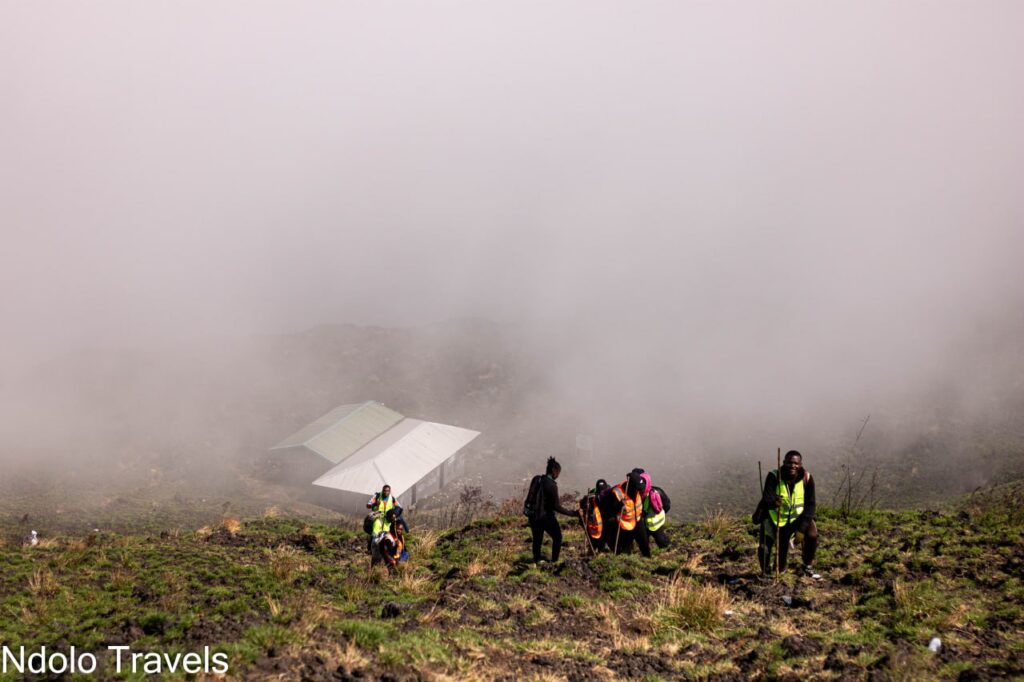
Guides know every trail, every hut, and every hidden viewpoint. They understand the pace required for each section of the mountain and can adjust based on your fitness and endurance. They also monitor for signs of altitude sickness, dehydration, or fatigue, and can advise on rest stops. For first-time climbers, families, or anyone who wants to focus purely on the adventure rather than logistics, a guide is invaluable.
At Ndolo Travels, our guides are not just experts — they are storytellers. They share the history of the mountain, point out rare birds like the bishops in the savannah, and reveal the hidden magic in the forest and rocky zones. Having a guide allows you to focus on the sights, sounds, and emotions of the climb, rather than worrying about permits, navigation, or trail hazards.
4. How hard is climbing Mount Cameroon for a beginner?
Mount Cameroon is challenging but achievable for beginners with proper preparation. The difficulty depends on your fitness, experience with altitude, and the route you choose. The climb combines forest paths, open savannah, rocky and sandy slopes, and sometimes steep sections near the summit.
Physical preparation makes a huge difference. Cardio exercises, leg strengthening like squats and lunges, and even mental preparation help you endure the climb. Hiking solo without experience can be tough — but starting early, traveling light, and pacing yourself makes it far more manageable.
With Ndolo Travels, beginners receive guidance on pacing, rest points, and energy management. We ensure you take breaks at Hut One, the Intermediary Hut (Hut 1B), and Hut Two, so fatigue doesn’t overwhelm you. Many beginners reach the summit with careful preparation and our support, turning what might seem intimidating into an exhilarating, life-changing experience.
5. What is the elevation of Mount Cameroon?
Mount Cameroon stands at 4,040 meters (13,255 feet), making it the highest peak in West Africa. This elevation is what gives the mountain its dramatic views, unique ecosystems, and challenging hike.
The climb starts at the lower slopes in Buea, gradually moving through vegetation zones — from tropical forest to savannah, shrubs, rocky terrain, and finally the sandy summit. The altitude gradually increases, which allows your body to adapt, especially if you stop at the huts along the way.
At 4,040 meters, the summit offers breathtaking panoramas: rolling hills, distant valleys, lava fields, and the rising sun spilling over the horizon. The elevation is what makes the climb both challenging and unforgettable — the higher you go, the more rewarding the view and the sense of accomplishment.
6. Can you see lava on Mount Cameroon?
Yes — though not flowing lava. Mount Cameroon is an active volcano, and the summit and surrounding slopes are marked by ancient lava fields. These jagged, dark rocks create a dramatic, almost otherworldly landscape near the top.
During your climb, as you leave the sandy slopes and rocky terrain, the lava fields appear in patches, glowing softly in the early morning light or under the setting sun. Walking across these fields is surreal — the textures, colors, and history of volcanic activity are visible in every step. Seeing these lava formations up close gives a sense of the mountain’s power and the geologic forces that shaped it.
7. What is the weather like on Mount Cameroon?
The weather on Mount Cameroon is highly variable. On the lower slopes, you may encounter warm and humid conditions in the forest. As you climb, the temperature drops significantly, and wind and rain are common. The savannah zone is exposed to sun, so hydration and sun protection are crucial. Near the summit, it can be cold, windy, and damp, especially during early morning climbs for sunrise.
Rain can appear suddenly at any altitude, turning paths slippery and increasing the difficulty of rocky sections. Fog and clouds sometimes obscure the summit, reducing visibility but creating a mystical atmosphere. Proper layers, waterproof jackets, and reliable footwear are essential.
Our Ndolo Travels guides monitor weather conditions closely and adjust your schedule for safety and comfort. We always advise starting early, carrying a good headlamp for night climbs, and pacing yourself according to trail and weather conditions.
8. Is there a risk of altitude sickness on Mount Cameroon?
Yes, there is a risk of mild altitude sickness, especially as you approach the summit at over 4,000 meters. Symptoms can include headache, nausea, dizziness, and shortness of breath. The risk varies depending on your fitness, hydration, and how quickly you ascend.
Acclimatizing in Buea before your hike, taking breaks at the huts (Hut One, Intermediary Hut, Hut Two, and the Third Hut near the summit), and ascending at a steady, controlled pace greatly reduce the risk. Proper hydration, nutrition, and listening to your body are essential.
When you hike with Ndolo Travels, our guides watch for early signs of altitude sickness and advise rest, hydration, or adjustments to pace. Many hikers reach the summit without any issues, thanks to careful preparation and the strategic use of the huts for rest and acclimatization.
9. Mount Cameroon National Park Entrance Fee
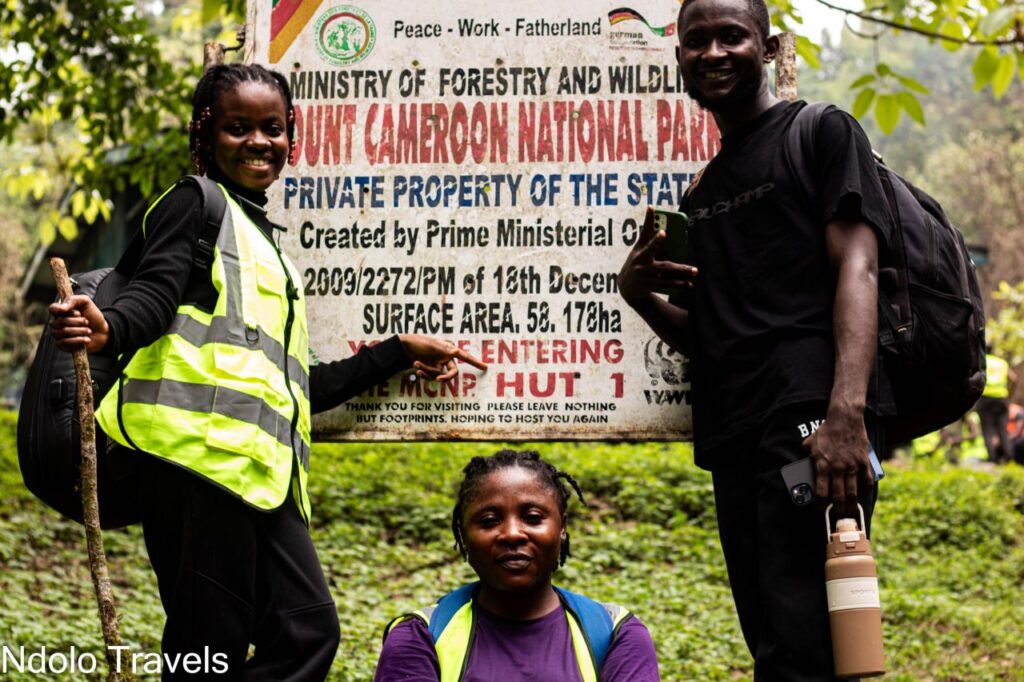
Mount Cameroon is part of a protected ecological area, and every hiker must pay an entrance fee. As of 2025, the entrance fee is 1,500 CFA per person per day. This fee goes directly to park maintenance, trail care, and conservation efforts. When you hike with Ndolo Travels, we handle this for you, so you can focus entirely on the adventure ahead. Paying the fee ensures you’re allowed access to the trails, the huts, and all the designated resting points while respecting the mountain’s ecological integrity.
10. Lodging and Huts on Mount Cameroon
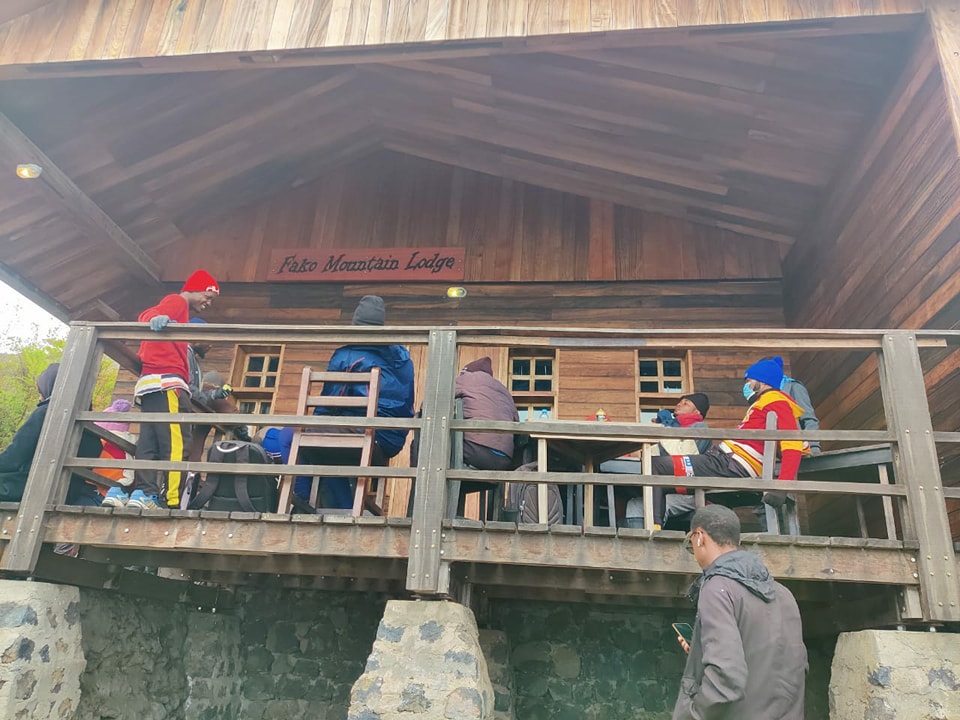
One of the unique aspects of Mount Cameroon is its huts along the trekking route. These are not luxury hotels but essential resting points that allow hikers to conserve energy, hydrate, and prepare for the next stage of the climb.
-
Hut One (Hut 1): This is not a lodging facility. Think of it as a checkpoint and resting spot where hikers can drink water and take a brief pause. Here, you’ll also meet the security guards who manage the park, ensuring safety and monitoring access. There are no beds — it’s purely for hydration, rest, and orientation.
-
Intermediary Hut (Hut 1B): Similar to Hut 1, this is a small resting spot between Hut 1 and Hut 2. Hikers can pause, hydrate, and adjust layers here. No cost is attached, and there are no beds — it’s a short stop to recharge your energy before continuing.
-
Hut Two: This is the real lodge and ecological resort on the mountain. It’s located at around 2,500 meters and offers comfortable sleeping arrangements, showers, food, and drinks. Meals range from 3,000 CFA for breakfast up to 20,000 CFA for larger meals and drinks, depending on your appetite. Sleeping accommodations start at 5,000 CFA per person and can go up to 70,000 CFA for some private cabins, giving hikers options for rest and comfort before the summit push. Hut Two is the ideal spot for overnight stays, acclimatization, and enjoying a hot meal and a warm shower in the middle of the hike.
-
Hut Three: Located near the summit, this is a free rest point, similar to Hut 1 and Hut 1B. It’s a small shelter where hikers can take a short break, hydrate, and prepare mentally and physically for the final stretch to the peak. No lodging or meals are provided here — it’s purely functional and for safety/rest purposes.
By using the huts wisely, hikers can travel light, conserve energy, and reduce impact on the mountain. Only essential items for hydration, warmth, and safety should be carried to avoid littering and energy waste.
11. Best Time of Year to Climb Mount Cameroon
The ideal time to climb Mount Cameroon is during the dry season, which runs from December to early March. Trails are clearer, the forest paths are less slippery, and the summit views are unobstructed by clouds and rain.
The rainy season, from April to November, makes the slopes muddy, the rocks slippery, and the final stretch to the summit significantly harder. Rain also increases the risk of fatigue and injuries, especially for beginners.
When you hike with Ndolo Travels, we time your climb to maximize safety and enjoyment, avoiding unpredictable weather and ensuring the best sunrise experiences from the summit.
12. Mount Cameroon Hiking Routes and Trails
There are three main routes hikers use to reach the summit:
-
Main Entrance via Upper Farms, Buea: The most popular route, suitable for first-time climbers and those with moderate fitness. You start from Buea, move through the forest and savannah zones, pass the huts, and ascend gradually toward the summit.
-
Bova Road Route: A motorable 4×4 route that allows you to drive part of the way before trekking. This is ideal if you want to save energy for the summit push or enjoy a slightly shorter climb while still experiencing the mountain’s unique zones.
-
Bokwango Route: Less crowded and more adventurous, the Bokwango route is perfect for hikers who want a quieter, more immersive experience. It is steeper and more physically demanding, giving a true sense of accomplishment when you reach the summit.
Ndolo Travels guides can help you choose the route that matches your fitness level, experience, and personal adventure goals. We also provide detailed advice on starting times — most summit pushes begin early in the morning around 2–3 AM to reach sunrise at the peak safely. Hiking during daylight is highly recommended; if starting at night, a strong headlamp is essential.
13. Cost to Hike Mount Cameroon in 2025
Hiking costs vary depending on your route, length of stay, and whether you hire guides or porters. Here’s a comprehensive breakdown:
-
National Park Entrance Fee: 1,500 CFA per person per day.
-
Hut Accommodation: Hut Two is the only paid lodging spot — 5,000 to 70,000 CFA depending on cabins. Huts 1, 1B, and 3 are free.
-
Meals at Hut Two: 3,000 CFA for breakfast up to 20,000 CFA for larger meals and drinks.
-
Guides and Porters: Available through Ndolo Travels. Rates vary depending on trek length and group size, but we handle the arrangement so you don’t need to worry about negotiation or logistics.
A 2–3 day hike with Ndolo Travels can cost roughly 150,000 to 200,000 CFA per person, including park fees, meals, lodging at Hut Two, and professional guiding services.
14. Finding a Guide and Porter for Mount Cameroon
If you’re looking for reliable guides and porters, the simplest and safest option is contacting Ndolo Travels directly. We provide:
-
Experienced guides who know every trail, hut, and hidden viewpoint.
-
Porters who can help carry gear so you can travel light.
-
Advice on pacing, hydration, and safety.
Our team ensures that all hikers — whether beginners or seasoned adventurers — have a safe, memorable, and stress-free experience. Trying to arrange guides independently can be risky, especially during peak season, as availability is limited and quality varies.
15. Accommodation and Huts Details
As a quick recap of the huts and lodges:
-
Hut 1: Free resting and water spot, no beds, meet security personnel.
-
Intermediary Hut (1B): Free short rest stop between Hut 1 and Hut 2.
-
Hut 2: Ecological lodge with showers, food, drinks, and paid accommodations (5,000–70,000 CFA). Meals 3,000–20,000 CFA.
-
Hut 3: Free resting spot near summit, no lodging or meals.
Huts provide safety, shelter, and hydration points, ensuring that hikers conserve energy, travel light, and respect the mountain’s fragile environment.
Final Advice for Hikers
-
Travel Light: Only carry essentials — water, warm layers, safety gear.
-
Acclimatize in Buea: Spend a day or two adjusting to the altitude.
-
Pace Yourself: Use the huts wisely; stop at Hut 1, 1B, and Hut 3 to rest and hydrate.
-
Respect Nature: Leave no trace, follow the trails, and avoid littering.
-
Start Early: Plan summit pushes around sunrise for safety and the best experience.
Hiking Mount Cameroon is a transformative adventure. It tests your physical endurance, mental strength, and sense of wonder. From lush forests to savannahs filled with rare bishop birds, to sandy summit slopes and glowing lava fields, the mountain rewards preparation, respect, and curiosity.
With Ndolo Travels guiding you, all logistics — permits, guides, porters, meals, and lodging at Hut Two — are handled, leaving you free to immerse yourself fully in the journey. Every step becomes a memory, every rest a moment of reflection, and every sunrise a reward for your courage and determination.
Hiking Mount Cameroon is a challenging but achievable adventure for beginners and experienced hikers alike. Preparation, awareness, and respect for the mountain make the difference between a difficult hike and a transformative experience. Understanding the routes, pacing yourself, using the huts wisely, acclimatizing in Buea, and considering guided support all contribute to a safe and memorable journey.
At Ndolo Travels, we combine safety, comfort, and storytelling — ensuring that hikers focus on the magic of the mountain rather than the logistics. From rare birds in the savannah to the lava fields at the summit, Mount Cameroon rewards those who come prepared, patient, and respectful of its power.
Whether you go solo or with a guide, the mountain will challenge you, inspire you, and leave memories you’ll carry forever.
Leave a Reply