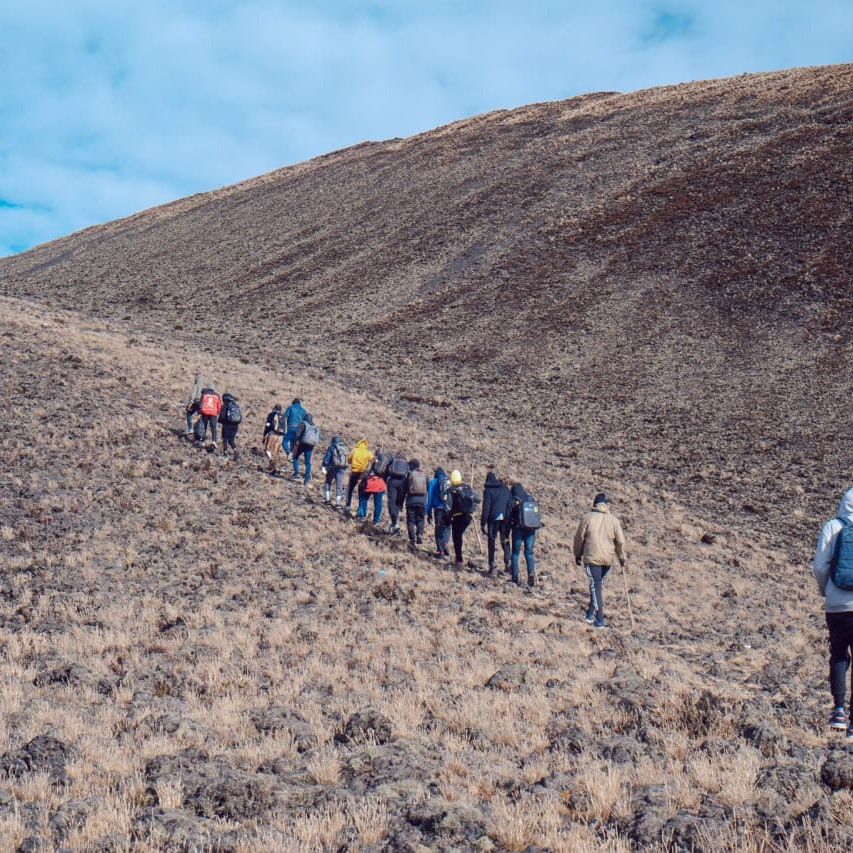
Hiking Mount Cameroon is not just a physical challenge — it’s an adventure that touches every sense. The cool mist of the forest, the whisper of bamboo in the wind, the sun rising over the savannah, and the soft crunch of volcanic sand under your boots all combine into an experience you’ll never forget. But if you’re planning this climb, one of the first questions that will come to mind is: how much is this going to cost me?
The truth is, climbing Africa’s highest peak requires careful budgeting. From entrance fees and accommodation to food, guides, and safety gear, costs can add up if you’re not prepared. That’s why we’ve created this deep, 2025 budget breakdown, based on our years of guiding people up Mount Cameroon, that covers every expense you might encounter — with real numbers, real context, and practical advice.
1. Entrance Fees: Getting into Mount Cameroon National Park
Mount Cameroon sits within a protected ecological zone, and every hiker must pay the National Park entrance fee. As of 2025, this fee is 1,500 CFA per person per day.
While the fee might seem small, it’s essential. It contributes directly to trail maintenance, ranger support, and the conservation of the mountain’s fragile ecosystem. When you hike with Ndolo Travels, this fee is included in your package. That means you don’t have to worry about lining up at the park gate or handling cash — you step onto the trail ready to climb, knowing your access is secure and your contribution supports the park.
2. Accommodation and Huts: Where You Sleep and Rest
Unlike city hotels, Mount Cameroon’s accommodations are functional, ecological, and designed to support the hiker’s journey rather than provide luxury. Understanding the costs and what each hut offers is key to planning your budget.
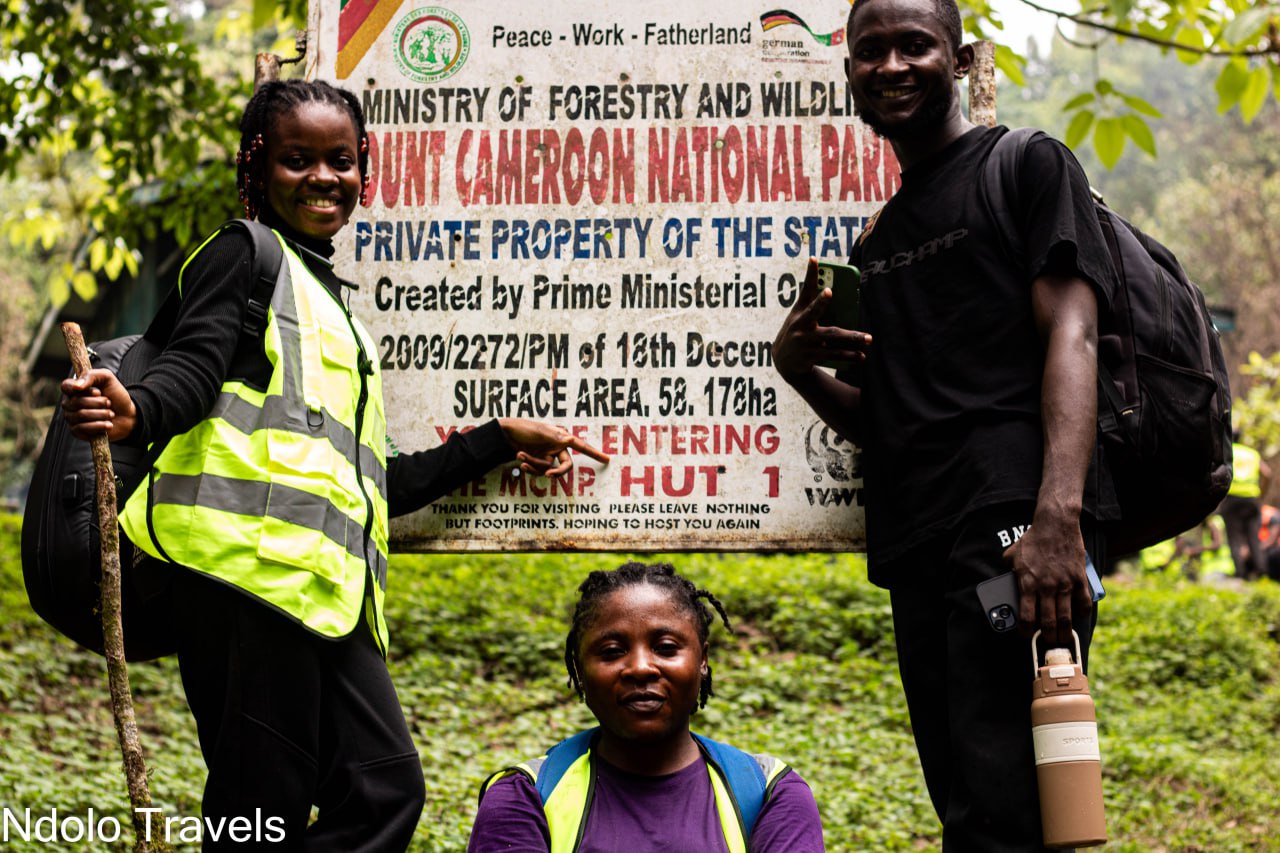
Hut 1 (Checkpoint & Water Stop)
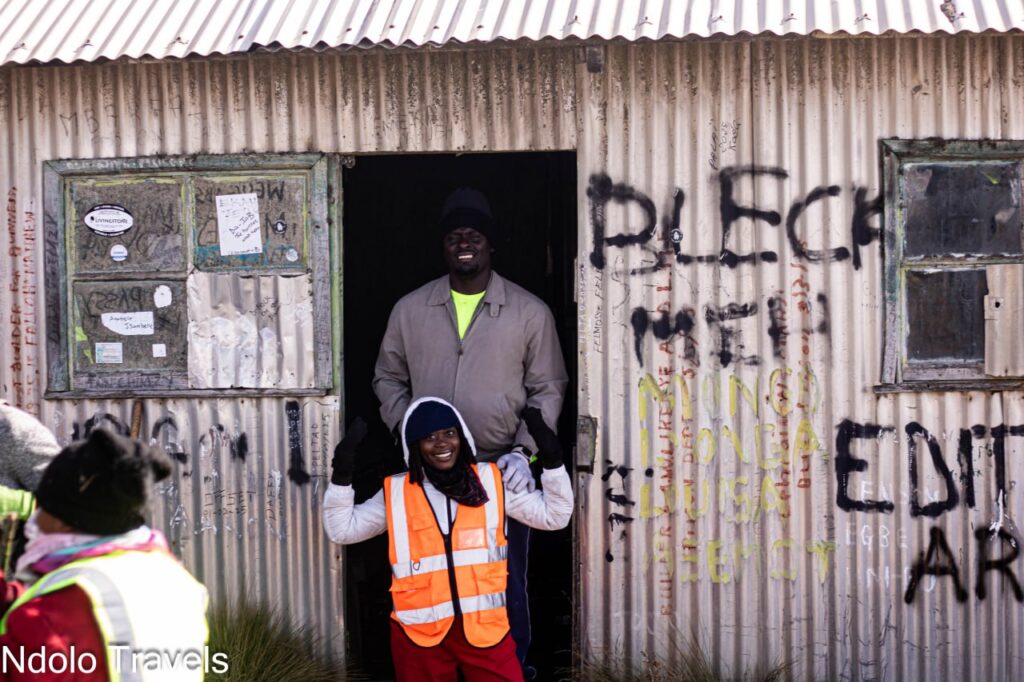
Hut 1 is not a place to spend the night. It’s a checkpoint at the edge of the forest where you can refill water, catch your breath, and meet the security personnel who monitor the park. There are no beds, no showers, and no meals. Think of it as a welcome station where your climb officially begins.
Cost: Free. Essential for rest and orientation.
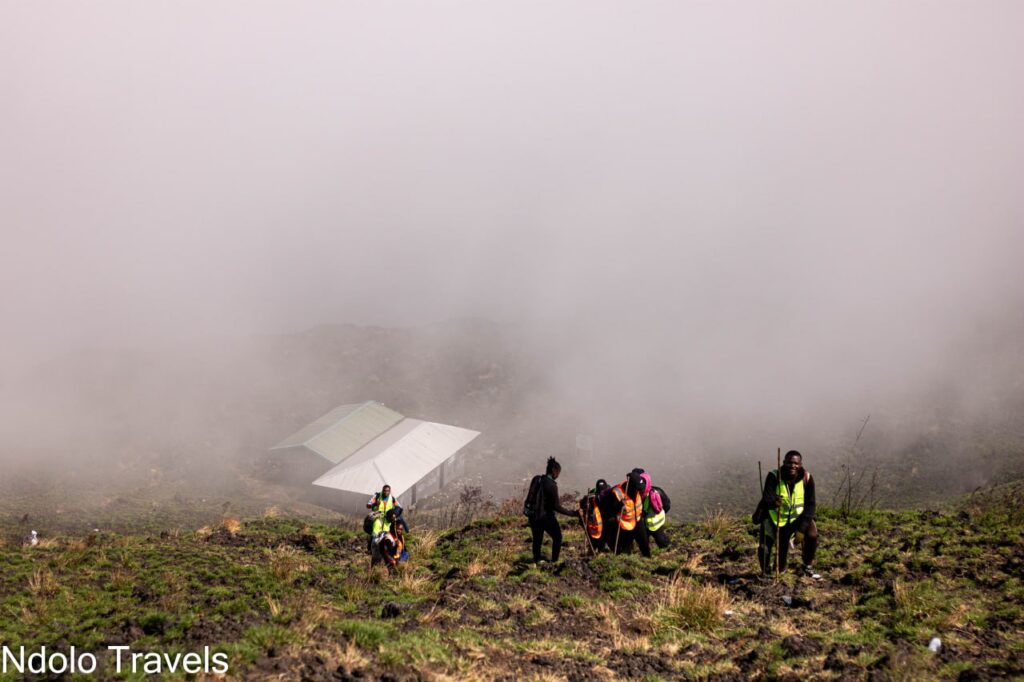
Intermediary Hut (Hut 1B)
Between Hut 1 and Hut 2 sits a small resting spot called Hut 1B. This is a free stop where you can hydrate, adjust layers, or take a brief pause before continuing. No beds, no meals — just a short rest to conserve energy.
Cost: Free.
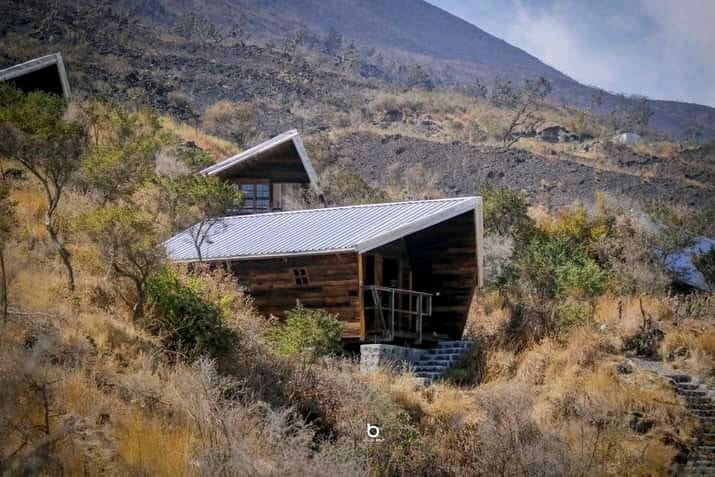
Hut 2 (Ecological Lodge & Resort)
This is the main lodge for hikers. Located around 2,500 meters, Hut 2 offers beds, showers, meals, and drinks, making it the heart of the climb. Staying here allows your body to recover, recharge, and acclimatize for the final summit push.
- Meals: Breakfast starts at 3,000 CFA. Lunch and dinner can range from 5,000 to 20,000 CFA depending on the selection. Drinks are sold separately.
- Accommodation: Beds and cabins start at 5,000 CFA per night, with premium cabins reaching up to 70,000 CFA for more comfort and privacy.
Hut 2 is where most hikers spend the night, which is crucial for rest and preventing fatigue on the summit day.
Hut 3 (Summit Rest Stop)
Near the summit sits Hut 3, a small shelter for a short break before the final push. Like Hut 1 and Hut 1B, this is free, offering water and shade but no beds or meals. It’s a functional stop to rest and adjust layers before tackling the sandy and rocky summit.
Summary: For budgeting purposes, Hut 2 is the only paid lodging option, and your food budget should be planned around meals there. The other huts are free but crucial for energy conservation.
3. Food & Water: Fueling the Climb
Climbing Mount Cameroon demands energy, and staying properly fueled can’t be underestimated. Hikers need at least 2 liters of water per day, plus energy bars, fruits, or snacks to maintain stamina.
At Hut 2, you’ll find meals ranging from 3,000 to 20,000 CFA, which is generally sufficient for most trekkers. If you prefer to bring your own snacks for the trail, budget 3,000–5,000 CFA for portable energy food.
Water is available at the huts, but carrying a personal bottle is essential, especially in the forest and savannah zones. Staying hydrated is critical not only for endurance but also for preventing altitude-related fatigue.
4. Guides and Porters: Safety, Knowledge, and Support
One of the most important aspects of a Mount Cameroon trek is whether to hike solo or with guides. While some experienced hikers do go alone, hiring a guide and porter is highly recommended, especially for first-time climbers.
- Guides know the trails intimately, from the forest zone to the lava fields. They monitor your pace, adjust for altitude, and watch for signs of fatigue or altitude sickness.
- Porters can carry extra gear, food, and water, allowing you to travel light, conserve energy, and focus on the experience.
At Ndolo Travels, we handle all arrangements:
- Experienced guides who know every route and resting point.
- Porters who can help carry luggage.
- Assistance with park permits, safety checks, and logistics.
Cost: Rates vary depending on trek length and group size, but a 2–3 day climb typically ranges between 30,000–50,000 CFA per day for a guide and 15,000–25,000 CFA per day for a porter.
Hiring guides and porters through us ensures safety, peace of mind, and a richer, more immersive experience.
5. Travel & Transportation: Getting to the Mountain
Reaching Mount Cameroon usually starts from Buea, the town at the mountain’s base. Depending on your location:
- Local transport: Buses or shared taxis from Limbe or Douala cost 1,500–5,000 CFA.
- Private pickup: Ndolo Travels provides comfortable transport from your city directly to the base, which includes luggage handling and ensures timely arrival for early morning starts.
Transportation is a minor portion of the overall budget but essential for planning efficient climbs and avoiding unnecessary stress.
6. Clothing, Gear, and Essentials
Hiking Mount Cameroon requires gear for all weather conditions. Here’s a realistic breakdown:
- Clothing: Lightweight layers, a waterproof jacket, gloves, hat, and hiking boots. Budget 15,000–30,000 CFA if you need to buy anything.
- Backpack: Comfortable, with room for water, snacks, and personal items.
- Safety & Navigation: Headlamp (essential for early summit pushes), first-aid kit, trekking poles, and a compass/map.
- Extras: Sunglasses, sunscreen, camera, and power bank.
Traveling light is key because excess weight wastes energy on a climb that is already physically demanding. Only carry essentials, especially since the huts provide water and food.
7. Choosing the Best Time to Climb
The dry season (December to March) is the most cost-efficient and practical period. Trails are clear, huts are accessible, and the likelihood of rain disrupting your trek is minimal.
Climbing during the rainy season not only increases risk and difficulty but can also incur hidden costs: damaged gear, additional porters for safety, and extended lodging if trails become impassable.
Planning your climb during peak dry months reduces risk, ensures comfortable hiking, and optimizes the use of paid accommodations like Hut 2.
8. Route Choice & Its Impact on Cost
The route you choose affects the total cost, time, and effort required:
- Main Entrance via Upper Farms, Buea: Most popular and moderate difficulty. Ideal for first-timers. Cost-efficient with Hut 2 overnight stay.
- Bova Road (4×4 accessible): Allows you to skip part of the forest zone, saving energy. This can reduce porter costs but may incur vehicle hire costs.
- Bokwango Route: Steeper, more challenging, and less crowded. Longer trek may require additional guide/porter days, increasing cost.
Ndolo Travels helps you choose the route that balances adventure, safety, and budget, ensuring no surprises along the way.
9. Total Budget: What to Expect in 2025
Now that we’ve broken down each cost component, let’s look at a realistic budget for a 2–3 day hike with Ndolo Travels:
| Expense | Typical Cost (CFA) | Notes |
|---|---|---|
| Park Entrance Fee | 4,500 | 1,500 per day for 3 days |
| Hut 2 Accommodation | 5,000–70,000 | Depending on cabin choice |
| Meals at Hut 2 | 9,000–30,000 | Breakfast, lunch, dinner, drinks |
| Guide | 60,000–100,000 | 2–3 days, includes summit support |
| Porter | 30,000–50,000 | Optional but recommended |
| Travel to Buea | 1,500–5,000 | Shared taxi or private pickup |
| Gear & Essentials | 15,000–30,000 | Only if new gear is needed |
Total Estimated Cost: ~150,000–200,000 CFA per person for a comfortable, fully supported 2–3 day hike. This includes park fees, meals, accommodation at Hut 2, guides, and porters. Optional personal gear costs are additional.
For hikers attempting a solo, budget climb, costs can drop to ~50,000–80,000 CFA, but this involves self-organization, less support, and more risk, which is why many climbers prefer the guided Ndolo experience.
10. Why Paying for Guidance and Support is Worth It
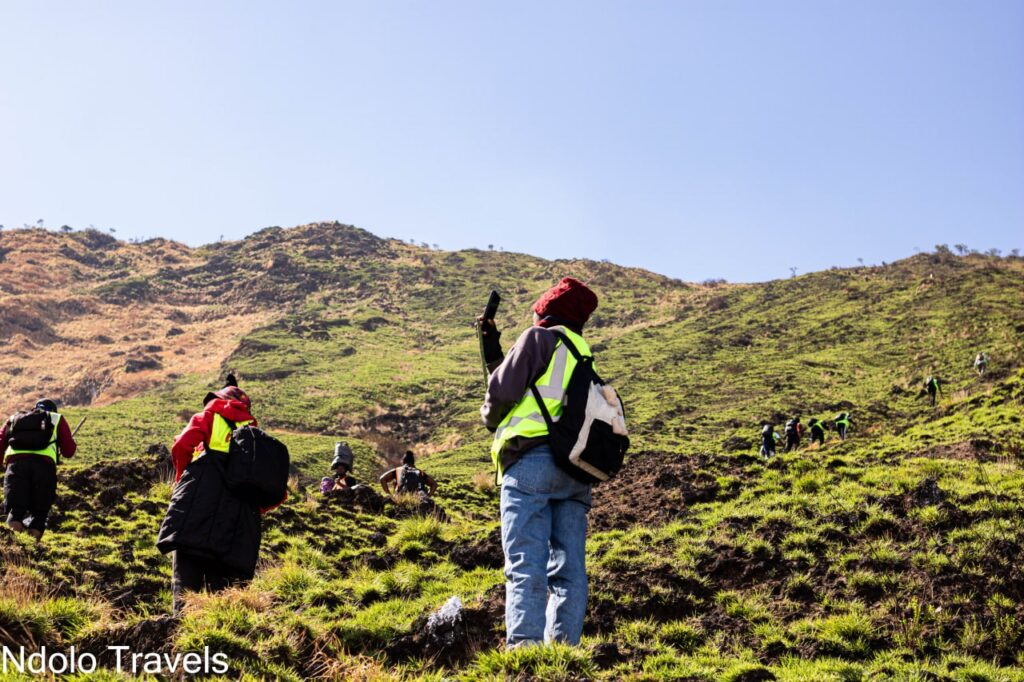
Mount Cameroon is not just about reaching the summit; it’s about the journey itself. The forest zone, savannah with rare bishop birds, shrubs, lava fields, and the sandy summit slopes all demand focus, energy, and sometimes advice from someone who knows the mountain intimately.
A guide helps with:
- Pacing through difficult zones
- Monitoring for altitude sickness
- Navigating safely in low visibility or night starts
- Sharing the hidden stories of the mountain’s flora, fauna, and geology
A porter reduces the load on your body, letting you conserve energy for the summit and fully enjoy the scenery rather than struggling under the weight of your backpack.
When you calculate the cost, the value of safety, comfort, and enriched experience far outweighs the numbers.
11. Hidden Costs & Practical Tips
While the above budget covers the main items, some hidden costs can arise if not planned for:
- Rain gear replacement if weather is severe
- Extra water or snacks if you drink more than expected
- Tips for guides/porters (consider ~5,000–10,000 CFA per person)
- Emergency expenses in rare cases of illness or injury
Planning ahead, packing light, and following Ndolo Travels’ guidance ensures no unexpected surprises.
12. Conclusion: Budgeting for an Unforgettable Adventure
Hiking Mount Cameroon in 2025 is affordable, achievable, and worth every CFA if approached with preparation. The real cost isn’t just financial — it’s time, energy, and mental focus. Understanding the fees, lodge options, food, guides, and gear allows you to plan realistically and avoid overspending or under-preparing.
With Ndolo Travels:
Park entrance, permits, guides, porters, and
accommodation at Hut 2 are all organized for you. You don’t have to worry about scrambling for a guide, negotiating with porters, or figuring out which meals are available on the mountain. You simply show up, pack light, and focus on the climb itself.
Every CFA you invest goes into enhancing the safety and experience of your trek. From the water stations at Hut 1 and Hut 1B, to the comfortable beds and meals at Hut 2, to the short rest at Hut 3 before the final push, every detail is accounted for. Paying a little more for professional guidance and proper planning doesn’t just save money in the long run — it protects your energy, health, and sanity during the climb.
13. Comparing Solo vs Guided Climb Costs
Many adventurous souls wonder if it’s cheaper to tackle Mount Cameroon on their own. Let’s break it down:
Solo Climb:
- Lower upfront cost because you don’t hire guides or porters.
- You must manage transportation, permits, meals, and safety alone.
- Risks include getting lost, overexertion, lack of support for altitude sickness, and missing out on insider knowledge about the mountain.
Guided Climb with Ndolo Travels:
- Higher initial cost due to professional guides, porters, and logistics.
- Guaranteed access to Hut 2 accommodations and meals.
- Enhanced safety, better pacing, and insider knowledge of the trails and rare flora and fauna.
- Focus on the adventure rather than worrying about arrangements or emergencies.
The difference in cost is significant, but the peace of mind, safety, and enjoyment often makes the guided option the smarter choice. You’re not just paying for service — you’re paying for a fully immersive experience with memories and stories that last a lifetime.
14. Why Budgeting Properly Matters
Mount Cameroon is more than a hike — it’s an endurance test for both body and mind. Poor planning can turn a life-changing adventure into a struggle. Carrying too much weight, skipping meals, or attempting the climb without acclimatization can make even moderate routes feel impossible.
By budgeting properly:
- You ensure enough hydration and nutrition to sustain energy.
- You can afford quality rest at Hut 2, which is crucial for recovery.
- You have the resources to hire guides or porters, reducing stress and conserving energy.
- You avoid hidden expenses that often arise when self-organizing — like emergency food, gear, or extra transport.
A well-planned budget makes the climb not just possible, but enjoyable, safe, and transformative.
15. Real-Life Example: A 3-Day Trek Budget
To illustrate, here’s what a typical 3-day trek with Ndolo Travels in 2025 might look like:
- Day 1: Arrival and Hut 2 Overnight
- Arrival in Buea, pick-up by Ndolo Travels transport
- Short hike to Hut 2 via Main Entrance
- Dinner at Hut 2: 10,000 CFA
- Overnight in a standard cabin: 5,000 CFA
- Day 2: Summit Push and Hut 2 Overnight
- Early start (2–3 AM)
- Hike through forest, savannah, and shrubs to Hut 3 for rest
- Summit reached around sunrise
- Descent back to Hut 2 for hot meal and shower: 15,000 CFA
- Overnight in cabin: 5,000–10,000 CFA depending on cabin choice
- Day 3: Descent and Return
- Light breakfast at Hut 2: 3,000 CFA
- Hike down to Buea via Upper Farms entrance
- Transport back to city
Total Estimated Cost: 150,000–200,000 CFA per person. This covers meals, lodging at Hut 2, park fees, guides, porters, and transport — everything you need for a safe, memorable experience.
16. Hidden Value: Beyond Money
While numbers are important, the true cost of a Mount Cameroon trek isn’t just financial. You invest:
- Physical energy – your legs, lungs, and stamina will be tested.
- Mental strength – the mountain is as much a mental challenge as a physical one.
- Time – trekking to the summit takes 2–3 days, including acclimatization.
By budgeting correctly, you ensure that these investments yield the best return: a safe climb, unforgettable views, and a story you’ll tell for years.
17. Why Ndolo Travels Makes the Difference
Attempting Mount Cameroon alone is possible, but organizing the trip yourself is stressful and risky. With Ndolo Travels:
- All logistics handled: park fees, Hut 2 booking, meals, transport
- Experienced guides and porters who understand the mountain intimately
- Recommendations for the right gear, hydration, and pacing
- Insider knowledge: rare birds in the savannah, the best photo spots, and tips for energy conservation
Your costs may be slightly higher than a DIY trek, but the return on safety, comfort, and experience is unmatched.
18. Summary: Realistic Costs for 2025
Here’s the final breakdown for hikers planning a fully supported Mount Cameroon experience:
| Item | Cost (CFA) |
|---|---|
| Park Entrance Fee (3 days) | 4,500 |
| Hut 2 Accommodation | 5,000–70,000 |
| Meals at Hut 2 | 9,000–30,000 |
| Guide | 60,000–100,000 |
| Porter | 30,000–50,000 |
| Transport | 1,500–5,000 |
| Personal Gear | 15,000–30,000 |
Estimated Total: 150,000–200,000 CFA per person
This covers everything needed for a safe, immersive, and memorable climb. Optional costs (extra gear, snacks, tips) can be added, but are minimal if planned carefully.
19. Final Thoughts
Climbing Mount Cameroon is an investment in adventure, resilience, and memories. Financially, the climb is not exorbitant, but it requires planning, prioritization, and respect for the mountain’s ecology.
The biggest takeaway: spending wisely and preparing fully ensures that the climb is challenging in all the right ways — physically and mentally — without being dangerous, stressful, or unnecessarily expensive.
When you climb with Ndolo Travels, you’re not just paying for services — you’re buying peace of mind, safety, and a story you’ll tell for a lifetime. From Hut 1’s water stop to Hut 2’s warm beds, from early morning summit pushes to rare birds in the savannah, every CFA goes into creating an experience that is worth every bit of effort and cost.
Mount Cameroon isn’t just a mountain. It’s an adventure that tests your body, your mind, and your spirit — and with proper budgeting, preparation, and guidance, it’s one you can conquer safely, confidently, and memorably in 2025.
Leave a Reply