
Mount Cameroon is not just a peak — it’s a living story, a rhythm that shifts with the seasons. Its slopes, forests, savannahs, and volcanic landscapes respond to rain, wind, and sun in ways that change how you climb, how you see, and how you feel. For anyone planning the ascent, understanding the mountain’s seasonal moods is not just useful — it’s essential. Climbing at the wrong time can make a moderate hike feel impossible, while climbing during the right window transforms the experience into something magical.
In this guide, I’ll walk you through the best times to climb Mount Cameroon, explain what to expect during each season, and share insights from my years guiding hikers up Africa’s highest peak. By the end, you’ll know exactly when to pack your boots, layer your clothes, and answer the mountain’s call.
1. Understanding Mount Cameroon’s Climate Zones
Before we talk about months and seasons, you need to understand that Mount Cameroon has distinct ecological and climatic zones. Each zone reacts differently to weather, and your climb will take you through all of them:
- Forest Zone (Lower Slopes): Lush, humid, and dense with vegetation. In recent years, monkeys are scarce here, but rare birds and shrubs still thrive. This zone is heavily influenced by rainfall, which can make trails slippery and muddy.
- Savannah Zone (Middle Slopes): Characterized by grasses, shrubs, and occasional bishop birds. The savannah is more exposed to wind and sun, and rain can make it slick and challenging to navigate.
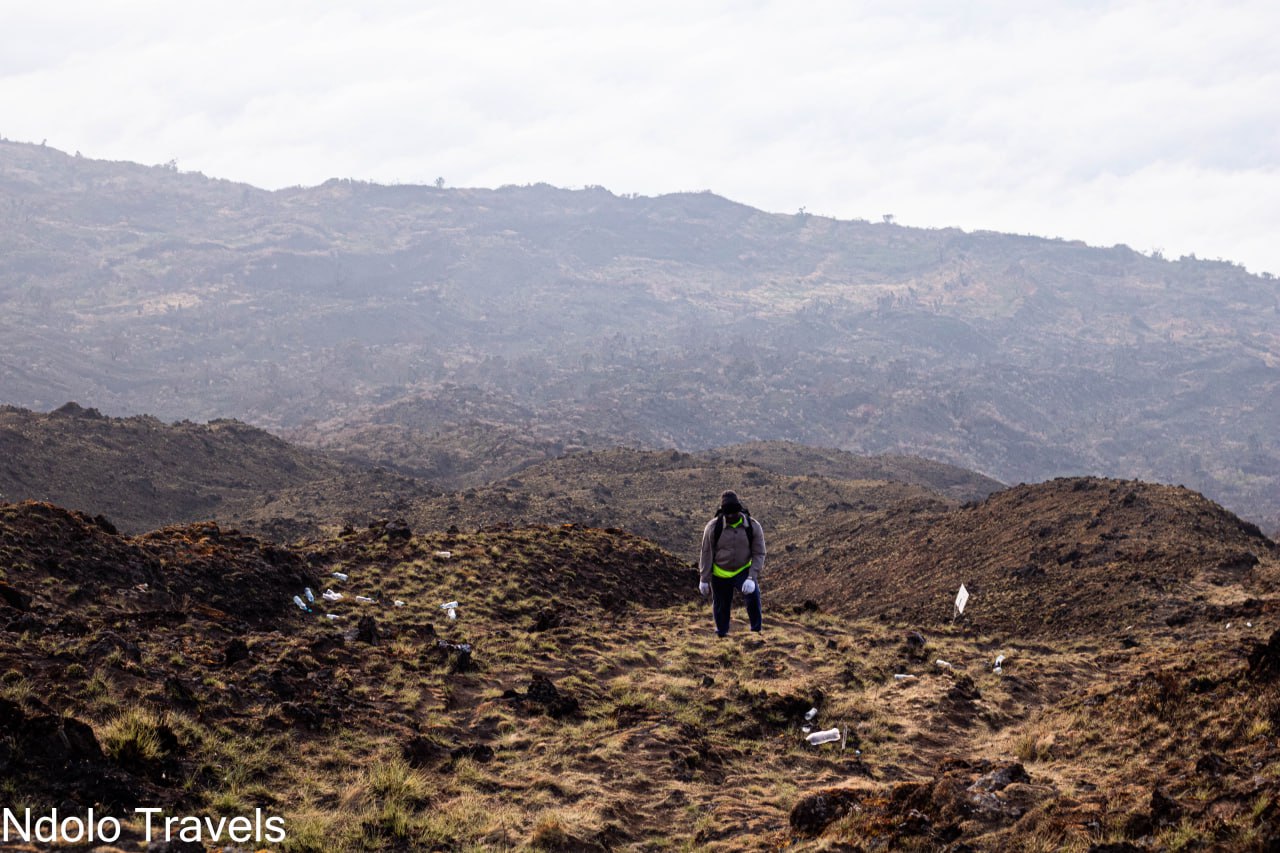
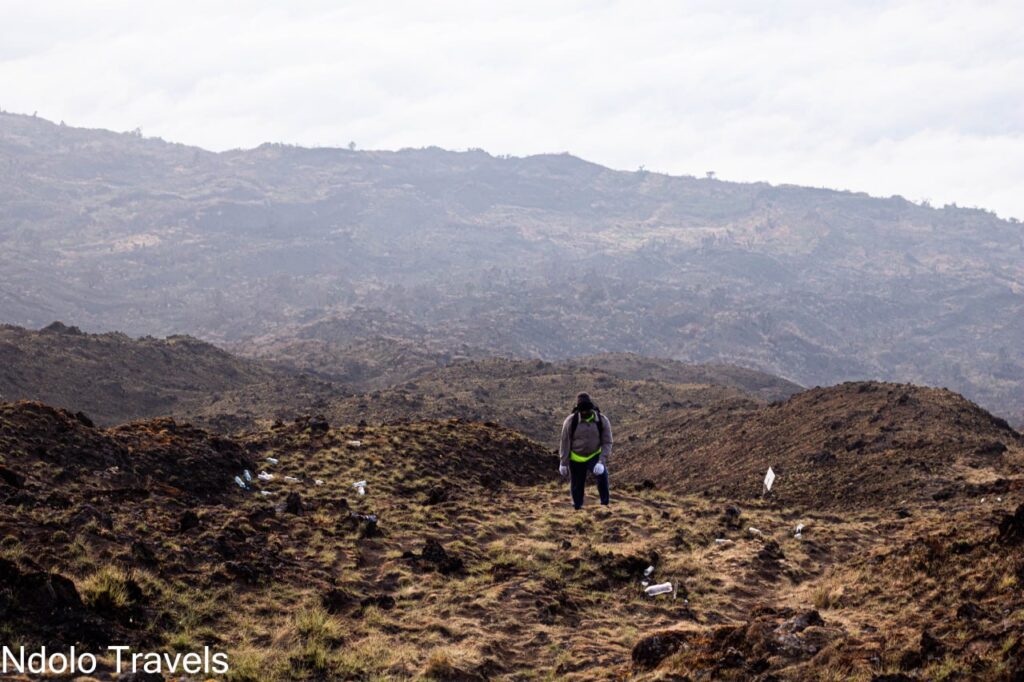
- Shrub and Rocky Zone (Upper Slopes): Sparse vegetation, volcanic rocks, and sandy paths dominate here. The wind is stronger, temperatures drop, and weather shifts rapidly.
- Summit and Lava Fields: Near 4,040 meters, the mountain becomes stark, sandy, and exposed. This is where early morning sunrise views are spectacular, but the cold, wind, and occasional mist can be extreme.
Each zone interacts differently with the weather, which is why the timing of your climb can determine how enjoyable or challenging the experience is.
2. The Dry Season: December to March
If you ask me, this is the golden window for Mount Cameroon hikers. The dry season brings clear skies, firmer trails, and cooler mornings, which make climbing safer and more predictable.
Why December to March Works
- Stable Trails: The forest and savannah trails are less slippery, reducing the risk of falls.
- Visibility: Clouds and mist are minimal, giving you uninterrupted sunrise views from the summit.
- Comfortable Weather: While mornings and nights can be cold, daytime temperatures are pleasant for hiking.
Experience During the Dry Season
During these months, the climb feels almost ceremonial. You start at the forest zone, breathe in the earthy scents of wet soil and leaves from recent rains, and move through the savannah where rare bishop birds may show off their long tail feathers. Even the volcanic rocks near the summit feel solid and predictable underfoot.
Hut 2 is fully operational during this season, offering warm meals, showers, and comfortable beds. Hut 1 and Hut 1B are perfect resting points without the challenges of flooded or muddy paths. By starting early, usually around 2–3 AM, hikers can reach Hut 3 and the summit in time for sunrise over the lava fields, a sight that feels like nature itself is rewarding your effort.
Ndolo Travels Tip: Book your climb in this period for a 2–3 day trek with maximum comfort. Guides and porters are easier to secure, and you’ll have the energy to enjoy every ecological zone without battling mud or heavy rains.
3. The Rainy Season: April to November
The rainy season is beautiful in its own right, but it comes with challenges. Trails are slippery, water levels rise in some streams, and the forest can feel almost untamed.
April to June: Early Rainy Season
- Weather: Frequent showers, sometimes heavy, mostly in the afternoons. Morning treks can still be manageable.
- Trail Conditions: Forest paths become muddy. The savannah may be soggy, making footing tricky.
- Advantages: The mountain is lush and green, with flora at its most vibrant. Bishop birds are active, and the air feels fresher.
Hut 2 remains open, but some meals may be limited due to supply delays caused by rain on the roads. Staying hydrated is even more important as mud and humidity increase physical exertion.
July to September: Peak Rainy Season
- Weather: Heavy rainfall dominates, sometimes continuous for days. Summit visibility is often poor.
- Trail Conditions: Slippery, washed-out paths, and increased risk of minor landslides in the forest.
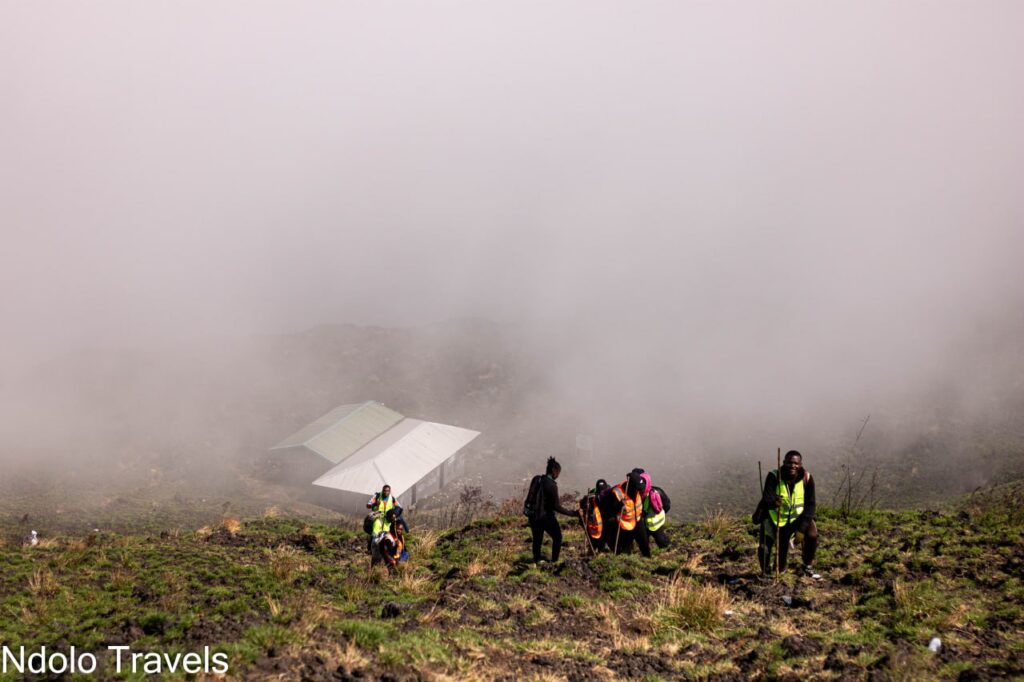
- Challenges: Huts like Hut 1B can be damp, and sleeping at Hut 2 may feel colder due to wet gear and wind.
During this period, climbing is not impossible, but it requires more preparation, caution, and stamina. Only experienced hikers or those accompanied by professional guides should attempt the trek. Ndolo Travels strongly recommends waiting for a dry spell within these months if you want a more comfortable climb.
October to November: Late Rainy Season
- Weather: Rain starts to taper off, trails gradually dry, but morning fog and clouds are common.
- Trail Conditions: Mostly manageable, though some upper slopes may still be muddy.
- Advantages: Fewer crowds, peaceful climbs, and vibrant vegetation.
Late rainy season can be a good off-peak option if you don’t mind occasional rain and want a quieter experience.
4. Understanding Temperature Variations
Mount Cameroon’s climate can change dramatically from base to summit, and the time of year amplifies these effects:
- Forest Zone: Humid year-round, temperatures 20–25°C. Rain can increase humidity and make clothes damp quickly.
- Savannah Zone: Warmer during the day (22–28°C), but wind exposure increases in the dry season. Rain makes this zone slippery and muddy.
- Upper Slopes & Summit: Temperatures can drop to 5–10°C, with wind chill making it feel colder. Dry season mornings are crisp; rainy season mornings can feel damp and freezing.
This variability is why layering is essential, regardless of season. Lightweight clothing, waterproof jackets, gloves, and hats are non-negotiable for a comfortable climb.
5. How the Seasons Affect Wildlife and Flora
One of the magical things about Mount Cameroon is how the mountain itself changes with the season.
- Dry Season: Trails are clear, visibility is high, and wildlife is easier to spot. Bishop birds in the savannah show off their tail feathers, shrubs sway gently, and volcanic landscapes stand out sharply against the sky.
- Rainy Season: Forests are greener, rivers and streams swell, and flowers bloom in abundance. However, animals may retreat to higher, drier ground, making sightings less predictable. Monkeys, already scarce, may be even harder to spot during heavy rains.
For bird lovers or photographers, dry season is best for clear shots, while the early rainy season is best for vibrant greenery.
6. Hut Operations and Services by Season
The huts on Mount Cameroon also respond to seasonal changes:
- Hut 1 & Hut 1B: Open year-round. Water is available, but mud and rain can make resting here less comfortable in the rainy season.
- Hut 2: Fully operational year-round, but access to meals and drinks can be delayed during peak rains due to road conditions. Beds and cabins remain available, but it may be colder and damper.
- Hut 3: Free rest spot near the summit. Weather exposure is most pronounced here — wind, mist, and rain can make a brief stop feel harsh in wet months.
Planning your climb during dry months ensures you experience the huts and services comfortably, while still benefiting from all resting points.
7. The Importance of Timing for Sunrise Summits
One of the highlights of Mount Cameroon is watching the sunrise over the lava fields from the summit. Seasonal timing dramatically affects this:
- Dry Season: Clear skies almost guarantee spectacular sunrises. No fog, no heavy clouds.
- Rainy Season: Clouds, mist, and rain can obscure the view, making the summit less visually rewarding.
Starting the climb early — 2–3 AM — is critical in any season. Even in the dry months, early starts ensure you reach Hut 3 and the summit in time to enjoy the full spectacle.
8. Personal Recommendations from Ndolo Travels
From guiding hikers for years, here’s my advice:
- For First-Timers: Dry season (December–March) is safest and most comfortable. Trails are predictable, huts are fully operational, and summit views are incredible.
- For Experienced Adventurers: Late rainy season (October–November) or early rainy season (April–June) offers a quieter, greener mountain. Be ready for mud, rain, and more physical exertion.
- Avoid Peak Rain (July–September): Unless you’re an expert with heavy gear, these months increase risk unnecessarily.
Ndolo Travels can plan your climb perfectly, taking into account seasonal conditions, trail selection, lodging at Hut 2, and timing to maximize comfort and safety.
9. Mental and Physical Preparation by Season
The mountain’s moods change with the weather, and so should your preparation:
- Dry Season: Focus on stamina, leg strength, and cardio for the summit push. Less rain means you can concentrate on endurance rather than balance on slippery paths.
- Rainy Season: Prepare for extra physical effort, as mud and wet rocks sap energy. Mental preparation is equally important — heavy rain can test patience and perseverance.
No matter the season, proper hydration, acclimatization in Buea, and pacing are key to enjoying the climb.
10. Final Thoughts: Choosing Your Perfect Season
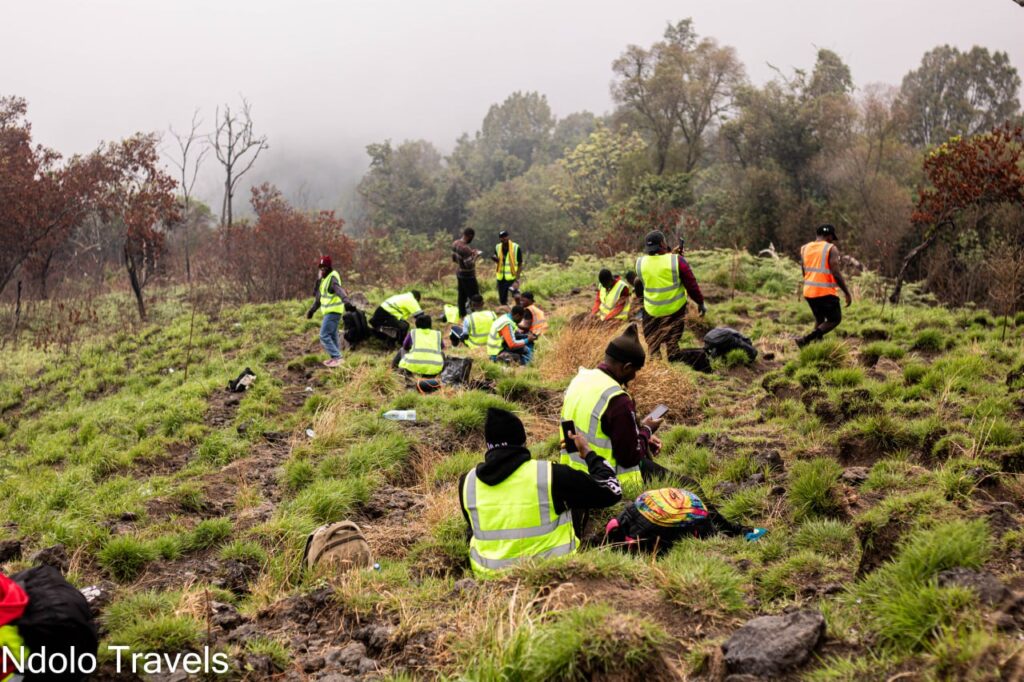
Mount Cameroon rewards preparation. Understanding the mountain’s seasonal rhythms is the difference between a stressful trek and a transformative adventure.
- Dry Season: Clear trails, sunrise summits, predictable conditions, fully operational huts. Perfect for first-timers and anyone seeking a smooth, memorable climb.
- Early/Late Rainy Season: Lush greenery, quieter trails, challenging conditions. Best for those seeking a more adventurous and immersive experience.
- Peak Rainy Season: High risk, slippery trails, limited summit visibility. Only for highly experienced climbers with proper guidance.
Ultimately, the best time to climb depends on your experience, expectations, and willingness to adapt to the mountain’s moods. With Ndolo Travels, we coordinate every detail, ensuring your timing, route, and accommodations align perfectly with seasonal conditions.
Climbing Mount Cameroon is more than a hike — it’s a story told in weather patterns, forest whispers, savannah winds, and sunrise lava glows. Pick the right season, prepare wisely, and the mountain will reward you with an adventure that stays with you for a lifetime.

Leave a Reply