Mount Cameroon is not just the tallest peak in West Africa; it’s a living, breathing, and sometimes unpredictable adventure. Standing at 4,040 meters, this mountain is both a test of physical endurance and a journey of the soul. The question most hikers ask is simple: Do you really need a guide to climb Mount Cameroon?
The answer is nuanced. Yes, there are official rules, but beyond regulations, hiring a guide transforms your climb from a risky challenge into a memorable, safe, and fully immersive adventure. As someone who has guided hundreds of hikers up its slopes, I can tell you — a guide is not just recommended; they are your partner in storytelling, safety, and discovery.
In this article, I’ll take you through everything you need to know: the official rules, the practical reasons for hiring a guide, how guides enhance your experience, risks of going solo, and how Ndolo Travels ensures your climb is unforgettable. By the end, you’ll understand why a guide is more than a requirement — they’re the key to experiencing Mount Cameroon the right way.
1. Official Rules for Hiking Mount Cameroon
The first thing to understand is that Mount Cameroon is part of Mount Cameroon National Park, a protected ecological zone. This means there are regulations in place to protect both visitors and the mountain’s environment:
-
Permits are required for all hikers.
-
The park has an entry fee that covers security, maintenance, and ecological protection.
-
These permits are issued at the park office near the Upper Farms entrance in Buea.
-
-
Registered guides are mandatory in some cases.
-
While technically, experienced climbers may hike without a guide, the park strongly recommends guides for safety and environmental protection.
-
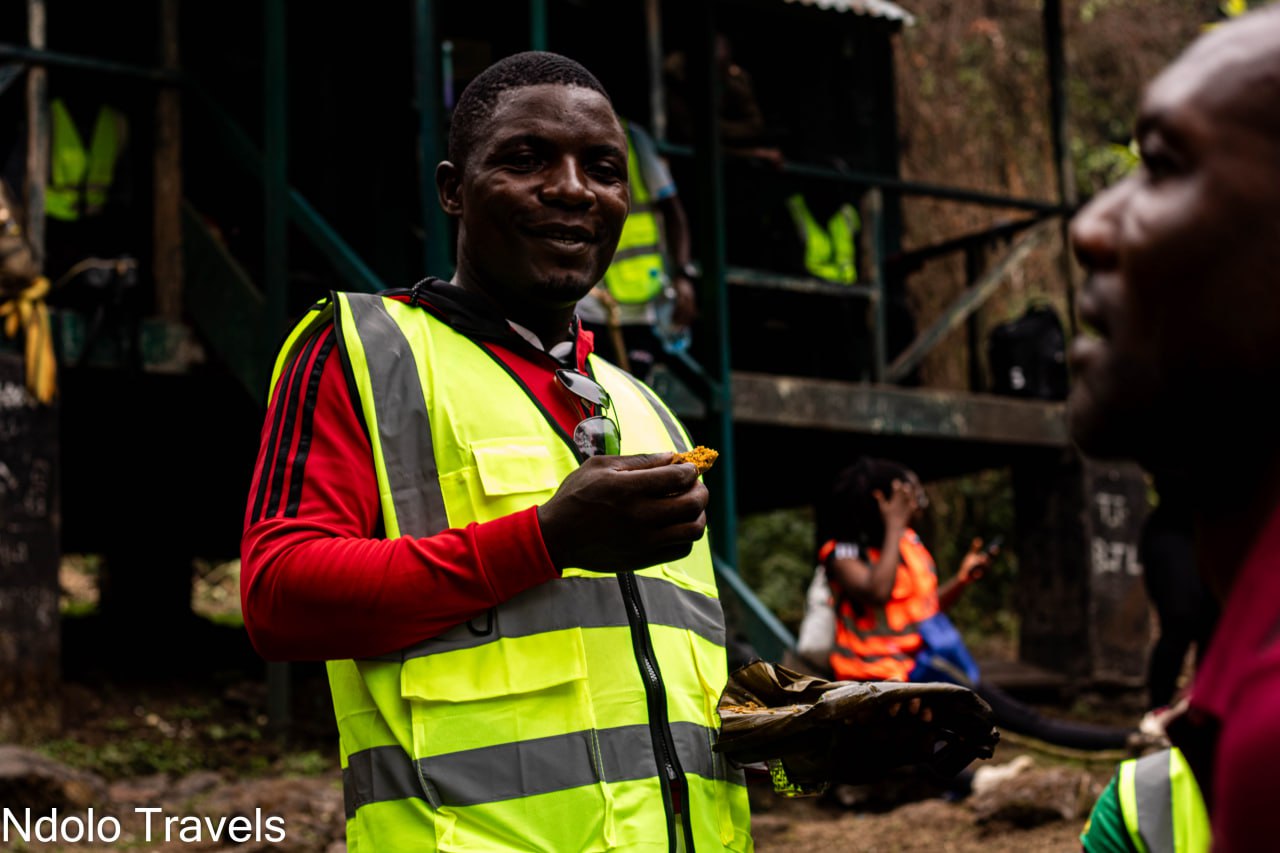
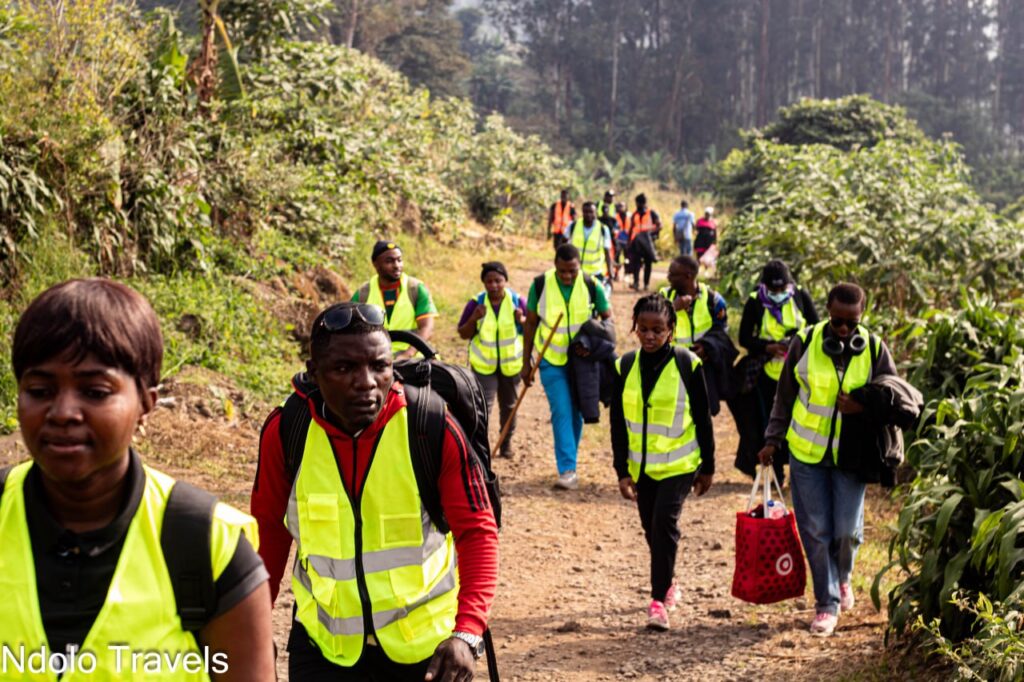
Guides are trained to navigate trails, monitor weather changes, and handle emergencies.
-
-
Porters are optional but recommended for heavy loads.
-
The mountain’s varied zones — forest, savannah, shrub, rocky slopes, and summit — demand energy. Carrying too much gear can compromise safety.
-
-
Huts and accommodations follow regulations.
-
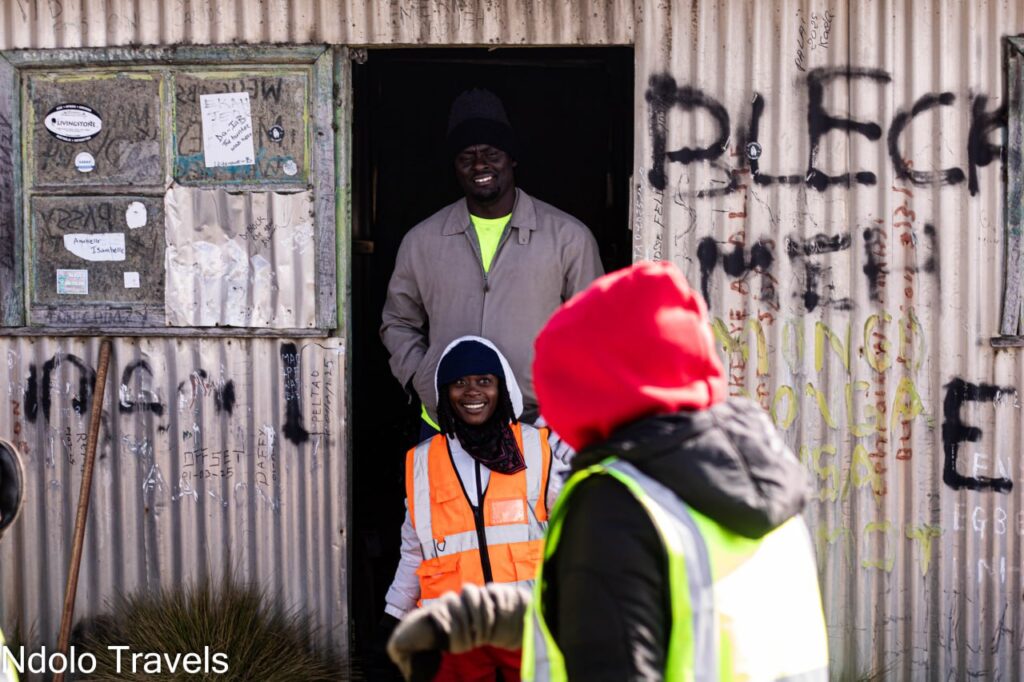
Hut 1 and Hut 3 are free water stops; Hut 2 is a fully licensed ecological lodge.
-
Staying in the wrong zone or littering is prohibited.
-
The takeaway is simple: while a guide may not be legally required for every climber, the combination of park rules, safety, and ecological responsibility strongly favors hiring one.
2. Why Hiring a Guide is Recommended Beyond the Rules
Even if rules allowed solo hiking, guides are invaluable for reasons that go far beyond legality. Here’s why:
A. Navigation and Trail Expertise
Mount Cameroon has three main trails:
-
Upper Farms entrance: The most popular for first-timers and moderate fitness levels. It takes you through forest, savannah, shrubs, and rocks.
-
Bova Road / Chute Route: Steeper and more physically demanding, motorable by 4x4s, offering a less crowded, adventurous experience.
-
Bokwango Route: Quieter, challenging, and rewarding with panoramic views.
Guides know every twist, turn, and shortcut. They’ll point out:
-
Safe paths through slippery forest sections.
-
Best times to rest at Hut 1, Hut 1B (intermediary), Hut 2, and Hut 3.
-
Scenic spots, including where bishop birds appear in the savannah.
Without a guide, it’s easy to get disoriented — especially when clouds roll in or rain softens the trails.
B. Safety and Emergency Response
Climbing Mount Cameroon is physically demanding. Hikers face:
-
Fatigue, dehydration, and blisters
-
Slippery trails and loose rocks
-
Cold, wind, and sudden rain near the summit
-
Altitude sickness above 3,500 meters
Guides are trained to manage these risks. They carry:
-
First-aid kits
-
Emergency communication devices
-
Knowledge of altitude acclimatization
For example, starting the climb at 2–3 AM ensures a sunrise summit. Without a guide, hikers often misjudge pacing, exhaust themselves, and reach Hut 3 or the summit too late or tired. Guides advise when to rest, hydrate, and eat, optimizing energy for the summit push.
C. Mental and Emotional Support
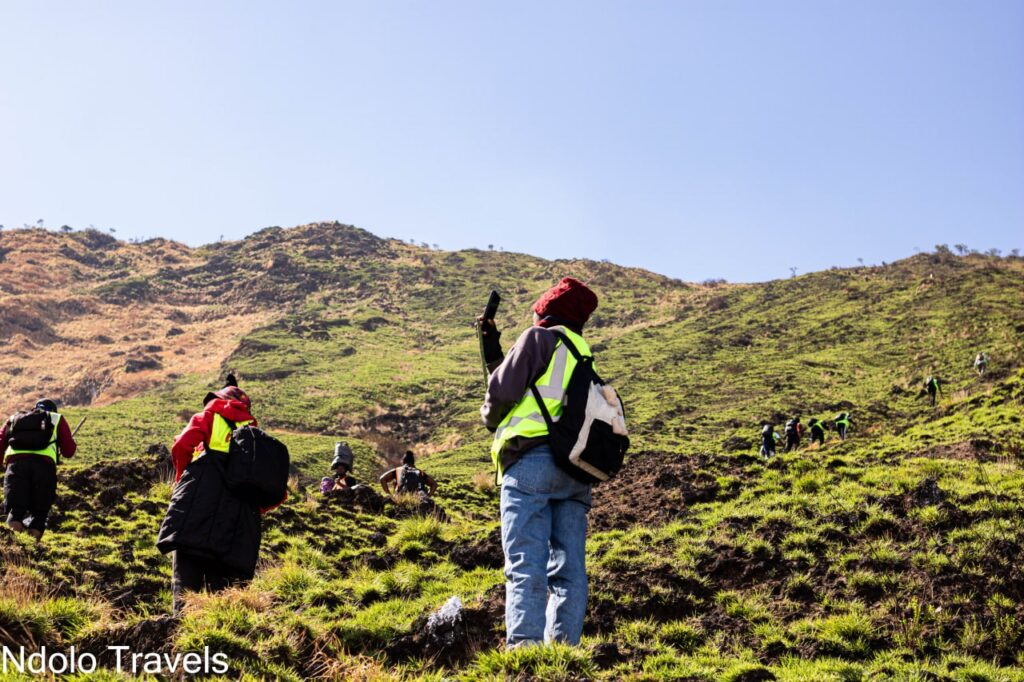
Climbing Mount Cameroon is as much mental as physical. I’ve seen hikers:
-
Give up during steep savannah stretches
-
Panic when clouds obscure the summit
-
Lose motivation when trails feel endless
A guide provides encouragement, pacing advice, and reassurance. They become companions in your journey, sharing stories of past hikers, pointing out unique flora, and celebrating milestones — like reaching Hut 1B or the summit.
D. Ecological and Cultural Insight
Mount Cameroon is alive with stories:
-
Rare bishop birds in the savannah
-
Unique shrubs and volcanic rocks
-
Forest areas where wildlife may be hidden
Guides teach you how to respect the mountain:
-
Leave no trace
-
Avoid damaging vegetation
-
Carry only essentials to prevent littering
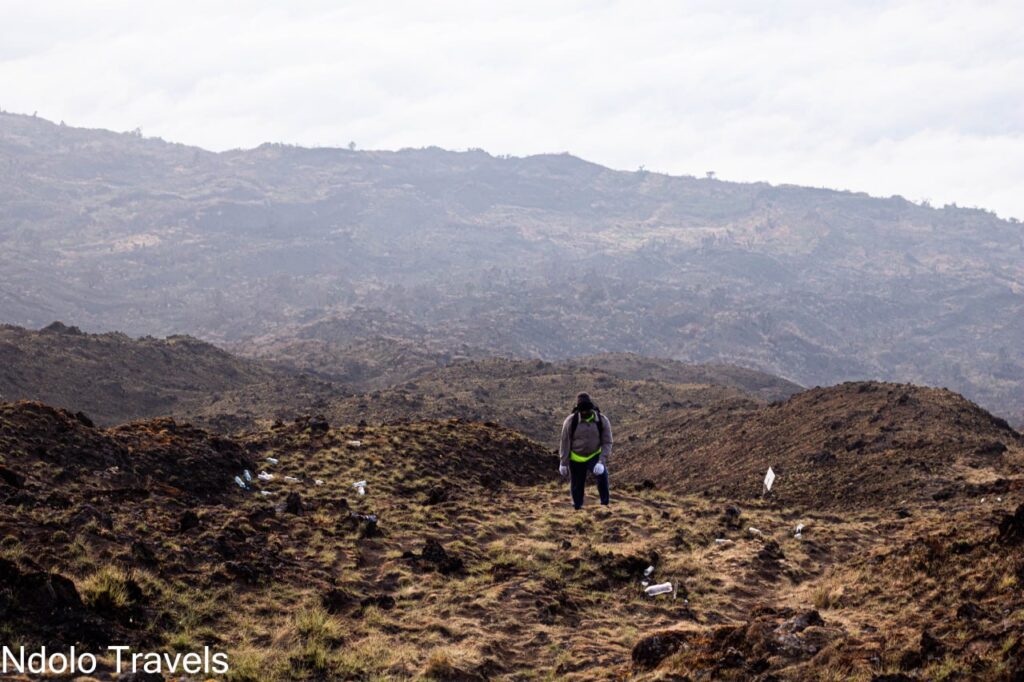
They also share cultural knowledge — from the local communities around Buea to historical eruptions and lava fields. Hiking without a guide means missing half the story the mountain wants to tell.
3. The Risk of Solo Climbing
Climbing without a guide is technically possible but comes with significant risks:
-
Navigation errors: Trails intersect, and visibility can drop suddenly in clouds or mist.
-
Injury risk: Sprains, falls, or minor accidents can escalate if help isn’t immediately available.
-
Altitude sickness: Symptoms can appear unpredictably above 3,500 meters. Guides help monitor and manage them.
-
Weather changes: Mount Cameroon’s upper slopes can shift from sunny to windy, rainy, or misty in minutes.
Solo climbing also increases mental strain. Without encouragement, a challenging slope in the savannah or the rocky upper zone can feel insurmountable. The climb is not just a physical journey — it’s an emotional one.
4. How Guides Enhance Your Hike Experience
Think of guides as translators of the mountain. They don’t just lead you; they enhance every step:
-
Forest Zone: Identify rare plants and birds. Explain changes in flora due to climate.
-
Savannah Zone: Point out bishop birds — males with long tail feathers, females slightly larger.
-
Shrub and Rocky Zone: Offer pacing advice, warn about loose rocks, and keep spirits high.
-
Summit and Lava Fields: Share stories of eruptions, point out panoramic views, and help capture memories safely.
Hut 2 becomes a highlight, with meals starting from 3,000 CFA for breakfast to 20,000 CFA for larger meals, cabins from 5,000 to 70,000 CFA, showers, and water. Guides ensure you rest properly, eat adequately, and are ready for the summit push.
5. How to Hire a Guide for Mount Cameroon
Here’s a step-by-step guide based on years of Ndolo Travels experience:
Step 1: Determine Your Route and Duration
-
Decide between Upper Farms, Bova Road, or Bokwango.
-
Establish if it’s a 2-day or 3-day trek.
Step 2: Contact Reputable Operators
-
Ndolo Travels or local licensed operators.
-
Provide group size, fitness levels, and preferences.
Step 3: Verify Experience
-
Ensure guides have climbed Mount Cameroon multiple times.
-
Ask about knowledge of zones, huts, and seasonal conditions.
Step 4: Confirm Logistics
-
Hut 2 booking, meals, water supply, emergency plan.
-
Porter availability for heavy packs.
Step 5: Budget
-
Guide: 60,000–100,000 CFA
-
Porter: 30,000–50,000 CFA
-
Optional tips: 5–10%
6. Personal Insights: My Stories as a Tour Guide
I’ve led first-time hikers up Mount Cameroon. Here’s what I’ve learned:
-
Early morning starts are critical. By 2–3 AM, the mountain is quiet, the air crisp, and the summit reachable for sunrise.
-
Resting at Hut 1B is strategic. It conserves energy before Hut 2 or Hut 3. Many hikers underestimate this.
-
Mental fitness is as important as physical fitness. A motivated hiker reaches the summit even when muscles scream. Without a guide, mental fatigue often wins.
-
Safety is non-negotiable. Guides prevent injuries, monitor health, and manage emergencies.
7. How Ndolo Travels Approaches Guiding
At Ndolo Travels, we treat guides as partners in storytelling:
-
Experienced in all three main routes (Upper Farms, Bova Road, Bokwango)
-
Know every hut, water source, and resting spot
-
Provide safety, encouragement, and ecological education
-
Manage permits, transportation, meals, and porters
With our guidance, hikers focus on experiencing the mountain, not worrying about logistics or risk.
8. Conclusion: Do You Need a Guide?
The short answer: Yes, and here’s why:
-
Mount Cameroon is challenging, unpredictable, and ecologically sensitive.
-
Guides enhance safety, experience, and storytelling.
-
They ensure mental and physical preparedness, from pacing to hydration.
-
Guides connect you with the mountain’s wildlife, history, and hidden treasures.
Even seasoned hikers benefit from guides. Solo climbs are possible, but they increase risk and diminish the full experience.
At Ndolo Travels, we don’t just provide guides; we craft an adventure. From your first step at Upper Farms to the summit’s breathtaking lava fields, our guides ensure every moment is safe, enriching, and unforgettable.
Climbing Mount Cameroon is more than a hike. It’s a story, a journey, and a memory that lasts a lifetime. The guide isn’t just an escort — they’re the key to unlocking the mountain’s secrets, challenges, and beauty.

Leave a Reply