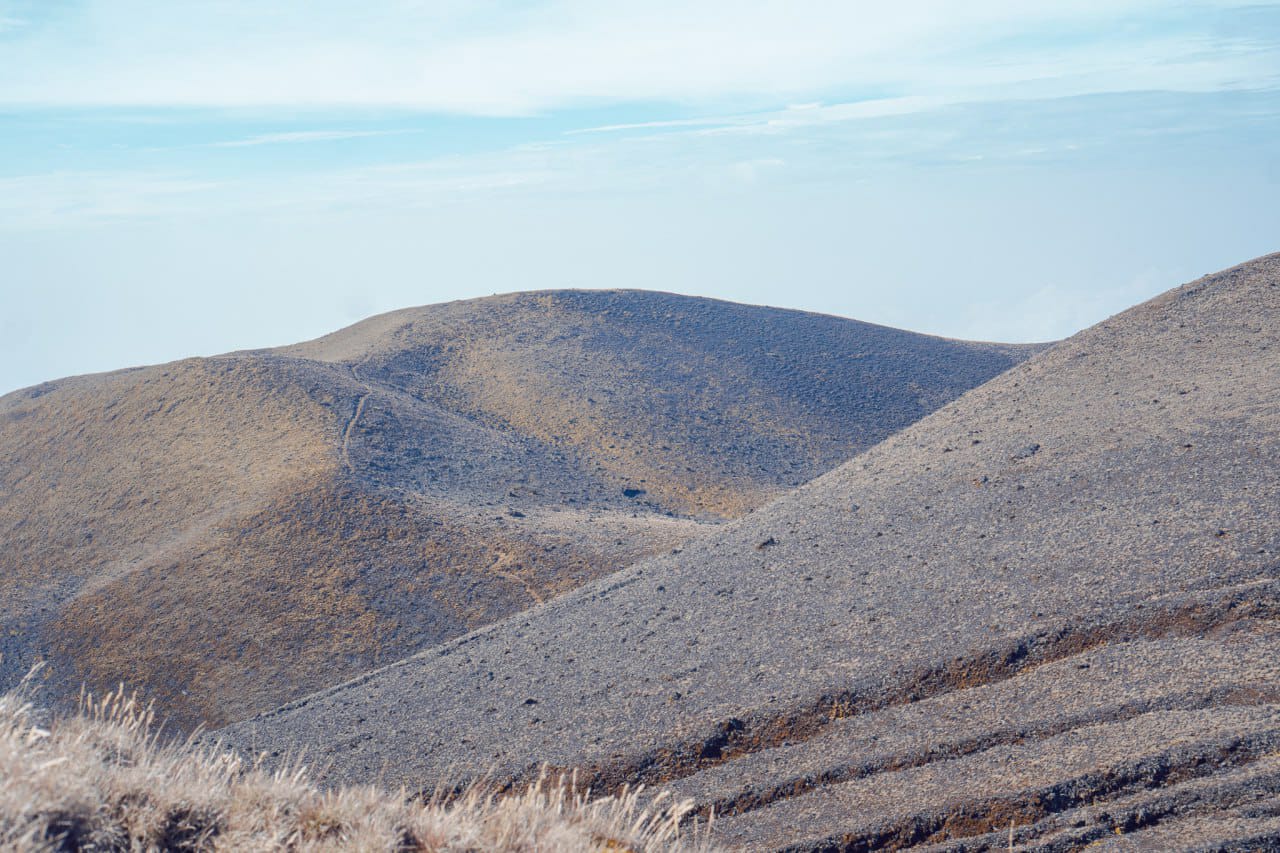
When I tell people about Mount Cameroon, I never start with numbers. I start with the smell of wet earth at the forest edge, the quiet sway of bamboo, the wind on the savannah, and the way the lava fields look like another planet when the sun first hits them. But numbers matter — especially the park fees that give you access to all of that. So here’s the straight truth: when you pay to enter Mount Cameroon National Park, you are purchasing more than just permission to walk a trail. You’re contributing to a system — rangers, huts, trails, conservation, and the quiet infrastructure that keeps the mountain alive and climbable.
Below I explain, in detail and with no nonsense, what those fees cover, how they’re used, what services and facilities you can expect, and what you still need to bring or arrange yourself. I’ll also weave in the small inside things guides know: where the money matters, when it doesn’t, and how Ndolo Travels makes sure your contribution actually helps both you and the mountain.
1) The Fee Itself — what you pay at the gate (and why it’s not just a toll)
Before your boots even touch the trail, there’s one important thing every hiker must do — pay the Mount Cameroon National Park entrance fee. This is your official ticket into the protected area, and it’s not just a formality. It’s the small but essential price that keeps the mountain open, safe, and alive.
Let’s start with the numbers, because everyone wants to know the real cost.
If you’re Cameroonian, the entrance fee is 1,500 XAF per person. For foreign nationals, it’s 10,000 XAF per person. These are the official 2025 rates set by the Mount Cameroon National Park Service, and they’re paid directly at the park office or at the park gate in Buea before you start your hike.
You’ll usually make this payment during the permit process — either yourself, or your tour operator (like Ndolo Travels) will handle it for you as part of your climb package. Once it’s paid, you’ll receive a receipt or proof of payment, which you’ll show at the first checkpoint (usually at Hut 1, where the park ranger is stationed).
Now, what does this small but mandatory fee actually cover?
This is where many hikers don’t realize how important their contribution really is.
The Real Meaning Behind the Fee
Mount Cameroon isn’t just a big mountain — it’s part of a living national park, home to a range of ecosystems, animals, and communities that depend on it. Your entrance fee goes directly into the park’s management fund, which supports:
-
Trail maintenance: After every rainy season, parts of the trail get washed out, trees fall, and markings disappear. Local teams — often made up of community youth — are hired to clear paths, fix signboards, and rebuild eroded sections so hikers can walk safely again.
-
Park rangers and eco-guards: You’ll meet one or two of them at Hut 1, usually dressed in green uniforms. These are the people who keep watch over the forest, ensuring hikers stay safe and that no one disturbs the fragile wildlife. They’re also responsible for checking permits and keeping track of every person entering or exiting the mountain.
-
Conservation work: A portion of the money helps protect endangered species like drills, antelopes, and rare birds that live in the lower rainforest zones of Mount Cameroon. Without this fund, poaching and illegal farming would easily destroy the park’s balance.
-
Community benefit projects: Some of the funds are redirected to local villages around the park, supporting small-scale projects like tree planting, eco-education, and tourism training.
So when you pay your 1,500 or 10,000 francs, you’re not just buying access. You’re helping sustain a delicate ecosystem, create local jobs, and keep the mountain open for future generations.
That’s what I always tell our hikers at Ndolo Travels — this is not a random tax, it’s the mountain’s rent for being protected.
What’s Not Included in the Park Fee
The entrance fee only covers your access to the national park. It doesn’t include your hiking permit, guide, porter, transportation, or accommodation.
Those are separate costs handled either individually or through your tour operator. For example, after paying the park fee, you’ll still need a climbing permit, which gives you permission to ascend beyond certain altitudes and camp in the designated huts.
The park authorities strictly enforce these regulations to prevent overcrowding and to maintain the environment. If you’re hiking with a company like Ndolo Travels, you don’t need to worry — we take care of all of that paperwork on your behalf.
But if you’re hiking solo, it’s your responsibility to go to the Mount Cameroon National Park office in Buea, fill out the permit forms, pay the necessary fees, and register your route and return date. Rangers must know who’s on the mountain at all times for safety and accountability.
Why the Fee System Exists
Mount Cameroon is one of the few volcanic mountains in Africa that’s still active, and it’s also one of the most visited natural attractions in Cameroon. Without a regulated fee system, it would quickly suffer from overuse — trash, deforestation, and unmonitored camping could destroy the natural beauty that makes it special.
The fee structure helps create a balance between tourism and conservation. It’s not designed to discourage visitors, but to ensure that every person climbing contributes something back to the land.
And when you really think about it — 1,500 XAF (about $2.50) for Cameroonians or 10,000 XAF (around $16) for foreigners is a small price to pay for access to one of the most powerful landscapes on the continent.
How to Pay the Park Fee
You can pay the park entrance fee in cash (CFA francs) at the park office, located near the Regional Delegation of Forestry and Wildlife in Buea, just below the starting point of the Upper Farms trail.
If you’re joining an organized climb, Ndolo Travels takes care of all park payments ahead of time. We handle both your entrance and permit fees, so when you arrive, all you need to do is check in, meet your guide, and focus on your climb.
For independent hikers, you’ll need to arrive at least a day before your planned hike to process your permit and make payments, as the park office may close early or not operate on weekends.
Why Paying the Fee Matters (Even When You Think You Can Skip It)
There are hikers — especially locals — who sometimes try to sneak past the first gate or start their hike from side routes like Bokwángo or Bova Road to avoid paying. But here’s the truth: not paying hurts the park, and ultimately, the people who depend on it.
Those fees are what keep local youth employed as porters, trail cleaners, and eco-guards. When you skip payment, it’s not the government that loses — it’s your own community. It’s the mountain’s people who pay the price.
So even if you’re from Buea and you’ve climbed the mountain many times before, pay it with pride. You’re supporting your land and its future.
Additional Costs You Should Expect
Once the park fee is settled, here are other related costs that often confuse first-time hikers:
-
Guide and Porter Fees: Guides cost between 25,000 to 35,000 XAF per day, while porters cost around 15,000 to 25,000 XAF per day, depending on experience and season.
-
Accommodation: Staying in Hut 1 isn’t really an option — it’s a water stop and resting point with no beds. Hut 2 functions more like a mountain resort, offering meals and cabins that range from 5,000 XAF to 70,000 XAF per night, while Hut 3 is free and basic.
-
Transport: If you’re starting from Douala or Limbe, transport to Buea ranges between 5,000 and 10,000 XAF per person.
-
Food & Drinks: Meals can cost anywhere from 3,000 XAF for breakfast to 20,000 XAF for dinner or special dishes at Hut 2.
All these add up to your total budget — but they’re all separate from the park entrance fee.
2) What “park management” actually pays for
“Park management” sounds abstract until you stand at Hut 1 and talk to the security guard who checks permits, or when a trail washout is cordoned and repaired. The entrance fee contributes to:
• Park rangers and security staff. These are the people who check permits at the trailhead, patrol the trails to prevent poaching and illegal cutting, and assist in emergency situations. They are your first line of safety and the ones who know this mountain like a neighbour knows their street.
• Trail maintenance and signposting. On a mountain where rain can turn a trail into a river overnight, maintaining trails is ongoing work. The fee helps the park pay workers and buy materials to repair footpaths, fix bridges, and keep the route visible and safe for hikers.
• Basic facilities and sanitation. The small shelters, water points, and supervised rest areas exist because the park coordinates maintenance and health measures to keep the environment safe for visitors and wildlife.
• Conservation programs. A part of that fee supports conservation — monitoring endangered species, protecting habitats, and keeping the ecosystems that make Mount Cameroon unique. The park’s protected status isn’t free; it requires people and money.
So when you pay at the gate you’re voting for a mountain that stays healthy — and a mountain that remains open to people who treat it with care.
3) Huts and Lodging — what the park runs vs what private operators provide
This is where things get interesting and where a lot of hikers get confused. People think “hut” equals “bed and bolt,” but Mount Cameroon’s huts are a mix of public rest stops and private-run eco-lodge services. Here’s the breakdown that matters:
• Hut 1 and the Intermediary Hut (Hut 1B): These are function-first stops. They are water and resting points, places where the security guard checks park permits and where you pause to fill bottles or catch your breath. They are not lodging facilities — you will not find beds or a restaurant here. Treat them like reliable water points and checkpoints. There is no paid accommodation at these huts. (Important: this is why light packs are recommended; these stops are for rest, not sleep.)
• Hut 2 — the ecological lodge: This one is different. Hut 2 functions as an eco-lodge and resort on the mountain. It is the place most hikers use for sleep, meals, showers, and serious recovery. Hut 2 charges for services — meals start at modest prices, showers are available, and there are paid sleeping options ranging from shared bunks to private cabins. This is where the real hospitality on the mountain exists, and the park recognizes and supports that model because it concentrates impact and provides a base for safe summit pushes. Expect to pay for both food and sleeping here; prices vary based on what you choose (meals, cabins, private rooms).
• Hut 3 (near the summit): Think of it as the last resting point. It’s a place to take off a layer, drink water, and check your gear before the final push. It’s not a lodge — no formal sleeping, no restaurant, usually no charge. It is part of the park’s network of safe shelters.
So: the park fee is separate from what you pay at Hut 2. One keeps the mountain safe and routes usable; the other buys you a night’s comfort, hot food, and a shower. Both are necessary in the real world — one is civic, one is service.
4) Exactly what you get when you pay hut and lodge fees (Hut 2 explained)
Hut 2 is where most climbers breathe easy. It is not a five-star hotel. It is not meant to be. It exists to give you a safe, warm place to rest and to centralize trail impact. But the services are real and worth the price:
• Beds and cabins. Options range from basic dorm bunks to private cabins. The cabins are more comfortable, and if you value a good night’s sleep before the summit push, they are worth considering. The park-site and lodge listings show specific cabin pricing and camping platforms if you bring a tent. Booking ahead is wise during peak season.
• Food and drink. Hut 2 runs a small restaurant. Meals are understandably priced above village street food, because everything to feed hikers is transported up the trails and supplied under logistical constraints. Expect modest breakfasts to larger dinner plates; both are available, and hot meals are a huge morale boost after a long day on the trail.
• Showers and water points. These are limited resources on a mountain, but Hut 2 manages them. A hot or warm shower after the descent can feel like a sacrament; be prepared to pay small fees and be patient during busy periods.
• Booking and reservations. Some huts (especially Hut 2) accept reservations; others are first-come, first-serve. If you want the security of a bed and a guaranteed meal, book through the park or a reputable operator before you arrive.
A practical note: Hut 2 uses its income to maintain services and to support local employment. That means the money you spend there helps keep people on the mountain and the lodge running. It’s an immediate, practical way to support sustainable tourism.
5) Park fees and the added items: permits, camera fees, vehicle fees
Beyond the basic entrance fee there are sometimes other modest charges depending on your plan:
• Camera/photo fees. If you’re a professional shooting gear-heavy photo or video, you may encounter camera fees in some parks. For hikers with a phone or a small camera, this rarely applies — but it’s worth asking if you’re bringing pro equipment.
• Vehicle or parking fees. If you drive or use a private 4×4 up to a motorable access point (Bova Road, for example), parking or motor access may have a small charge. This is separate from the park entrance fee and is usually handled at the gate or with your transport provider.
• Guides and porter permits. Official guides may be registered with the park. Park-managed or park-recommended guides and porters sometimes appear as inclusions with certain packages. If you book through a licensed operator, these details are handled up front. If you go independently, be prepared to produce permits and to pay guide or porter fees directly.
6) How the park ensures its funds go toward conservation and community
I’ve spent time talking to rangers and lodge managers; the reality is clear: a well-run park funnels revenue into real, practical work. The entrance fee helps the park pay staff, fund patrols that guard against illegal activities, and support programs that help preserve endemic species and fragile ecosystems. The park’s website and official materials emphasize conservation as a core purpose of the protected area. That is not marketing talk — it’s how those mountains remain climbable and meaningful.
There’s another feature here that matters for you as a traveler: community benefit programs. The park works with local villages to ensure that tourism is a sustainable income stream, which reduces pressures causing habitat damage. When a family in Buea rents cabins or cooks meals for Hut 2 guests, that money circulates locally. Your fees help keep those supply chains going.
7) What the park doesn’t cover — what you still need to budget for
This is the practical part I have to tell you face-to-face, not in a brochure. The park fee and Hut 2 payments do not buy:
• Personal gear. Boots, waterproof layers, headlamps, trekking poles — bring your own or rent locally.
• Specialized medical supplies or personal first-aid items. Guides carry kits, but you should have personal medications and blister care.
• Tips and discretionary payments. Porters and guides appreciate tips for great service. These are customary and not included.
• Insurance or emergency evacuation. If you want evacuation or medical insurance that covers remote rescue, you must purchase that separately.
• Transport to Buea or private pickups. Park fees don’t include door-to-door transfers unless you book a package.
In short: the park fee secures access and conservation; the hut fee secures comfort and meals. You still have to bring the essentials that make the climb practical and safe.
8) Booking, paying, and receipts — the on-the-ground reality
If you like neat invoices, you’ll love booking through a responsible operator. The park does accept cash at the gates, and Hut 2 accepts payments on-site — but during peak season, logistics get messy and cash-only lines get long. Booking through Ndolo Travels or a reputable operator gives you receipts, confirmed hut bookings, and the peace of mind that someone has coordinated the permits and park check-ins on your behalf. It saves time and keeps your money in the right hands.
If you prefer to do it alone, arrive early, bring exact cash for fees, and expect to meet the park security staff at Hut 1 who will check permits and explain local rules.
9) Practical tips (the small things that make fees feel worth it)
• Bring exact change. Extra time at the gate means less time on the trail.
• Reserve Hut 2 in advance during dry season (Dec–Mar) — beds go fast.
• Respect the huts: they are run by people who walk supplies up the mountain. Leave them as you found them.
• Ask to see receipts for any fees paid at the gate or to guides; legitimate staff will provide them.
• Bundle services where possible. Packages that include park fees, guide, porter, meals, and Hut 2 booking make financial sense and reduce hassle.
10) Why paying the park fee and hut charges is an act of respect
There’s a small ethical point I’ll say plainly: paying fees responsibly is a form of respect. Mount Cameroon is not a playground; it is a living landscape. The fees keep it that way. They pay people who protect fragile vegetation, who provide water points, and who welcome you at Hut 2 with a hot meal when your legs are tired. When you pay what’s required, you keep that system intact. When fees are ignored or circumvented, the mountain loses its guardianship and everyone pays in the long run.
11) How Ndolo Travels helps — the practical service behind the story
We handle permits, park fees, Hut 2 reservations, and the logistics that make your climb work. Why? Because we treat the mountain like a guesthouse: you arrive, you rest, you leave no trace, and the people who maintain it are paid and respected. Book with us and your payments are tracked, your huts are reserved, your guide is certified, and the park receipts are managed — so you climb, not haggle.
Final word — an honest closing from the trailhead
At the gate the guard looks at me, smiles, and stamps the booklet. The mountain hums in a language you can only learn by being there. The fees you pay are not a bureaucratic hurdle; they are the cords that hold that language together — rangers who care, huts that shelter, and programs that keep rare birds and plants from vanishing. Pay the fees; use the huts wisely; travel light; respect the mountain.
Mount Cameroon will give you a dawn that rewrites your memory. Paying the park fee properly makes sure that those dawns keep happening, for you and for everyone who comes after. If you want to avoid the worry, we’ll take care of the receipts, the bookings, and the logistics — so you can stand on that summit and listen to the mountain in peace.
At the end of the day, the Mount Cameroon National Park fee isn’t something to complain about — it’s something to respect. It’s the silent system that keeps the mountain alive, accessible, and protected.
When you stand at the gate, ticket in hand, just take a moment to think of all the people and processes that simple payment activates — the ranger watching the weather, the team maintaining the trail, the locals who clean after every hike, and the young porter who dreams of one day becoming a guide.
That’s what your 1,500 or 10,000 francs does. It keeps the heartbeat of the mountain steady.
And when you climb with Ndolo Travels, you’re not just hiking — you’re part of a story that supports conservation, community, and culture. We handle all park payments transparently so that every franc goes where it should: back into the mountain that gives us all so much.
So before you lace up your boots and start the climb, remember — the first step isn’t on the trail. It’s at the gate.
That’s where your journey — and your contribution — begins.

Leave a Reply