
When people think about hiking Mount Cameroon, they often imagine standing at the summit — watching the sunrise turn the lava fields gold, the ocean sparkling far below. But before you even touch the trail, your journey begins much earlier. It begins the moment you decide to leave Limbe or Douala — two coastal cities that serve as the main gateways to this legendary mountain.
And trust me, organizing the trip is part of the adventure. Getting from the coast to the foot of West Africa’s highest peak might sound simple, but doing it well — with the right timing, transport, gear, and guidance — can make the difference between a stressful climb and the trip of a lifetime.
I’ve seen both happen. And that’s why I’m writing this — so that when you finally decide to take on Mount Cameroon, you’ll do it the right way.
1. Understanding the Geography: From the Sea to the Summit
Let’s start with where you’re coming from.
If you’re in Douala, you’re standing at sea level — Cameroon’s busiest city, where the air is humid, the traffic never sleeps, and every corner seems to be alive with sound. From here, Mount Cameroon lies roughly 70 kilometers west, sitting quietly near the town of Buea, its slopes stretching down toward the seaside town of Limbe.
If you’re in Limbe, the view is even better. You can literally stand on the beach, dip your feet into the Atlantic Ocean, and see the mountain rise dramatically behind the palm trees. It’s like watching land and sky merge into one. That’s why Mount Cameroon is sometimes called “the mountain that touches the sea.”
So whether you’re leaving from Douala or Limbe, the goal is the same — reach Buea, the gateway town. That’s where all climbs begin, where permits are issued, and where your true journey starts.
2. Getting from Douala to Buea
From Douala, the most direct route to Buea is via Mutengene, following the N3 highway. The distance is short — about 70 kilometers — but depending on traffic, it can take anywhere from 1.5 to 2.5 hours.
You have three main options:
Private Car (Most Comfortable)
If you prefer comfort and speed, hire a private driver or car. Prices usually range from 25,000 to 40,000 XAF, depending on the vehicle and your negotiation skills. With Ndolo Travels, we can arrange this for you in advance, so you’re picked up directly from your hotel or airport and dropped off at your lodge in Buea.
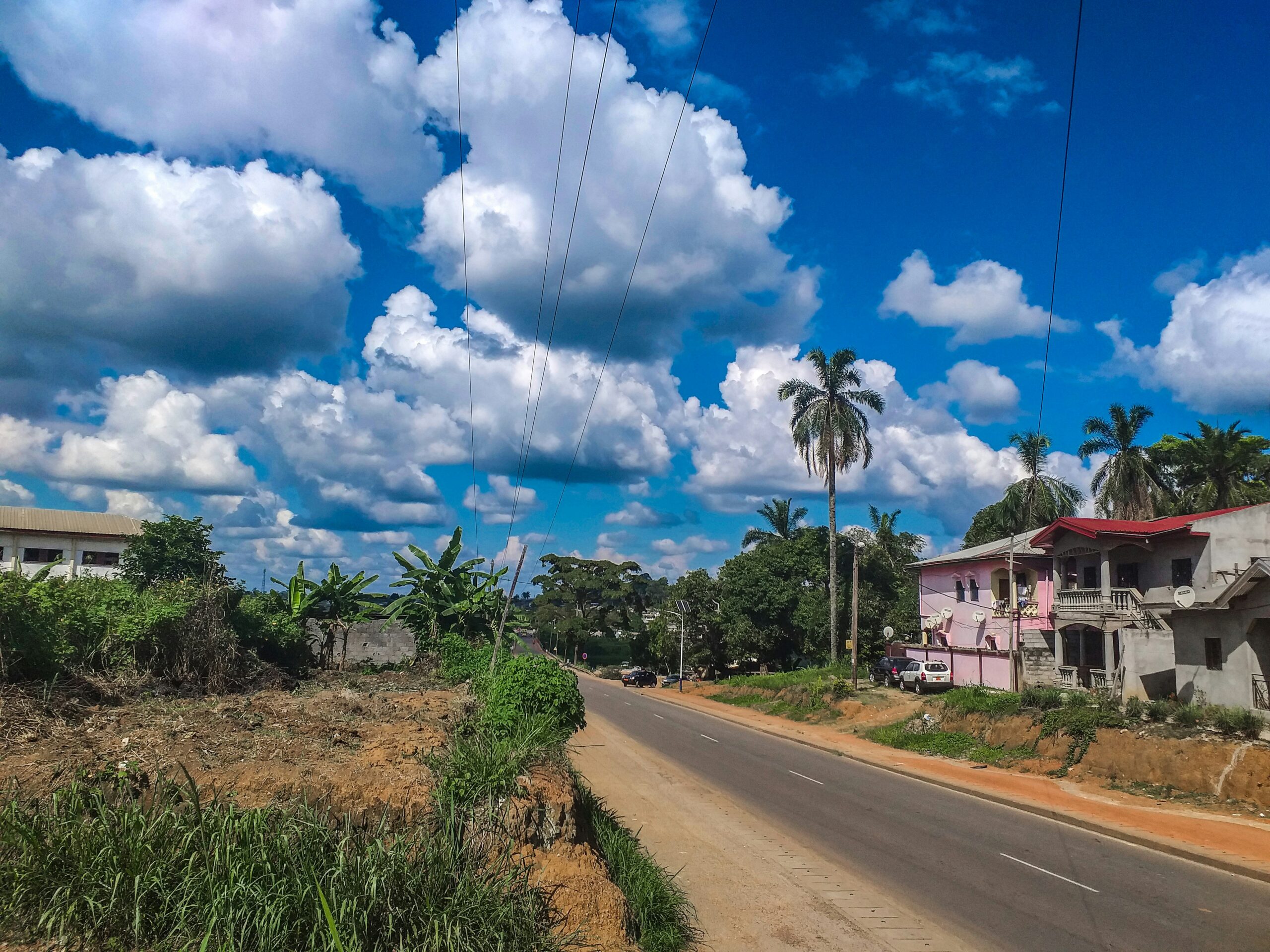
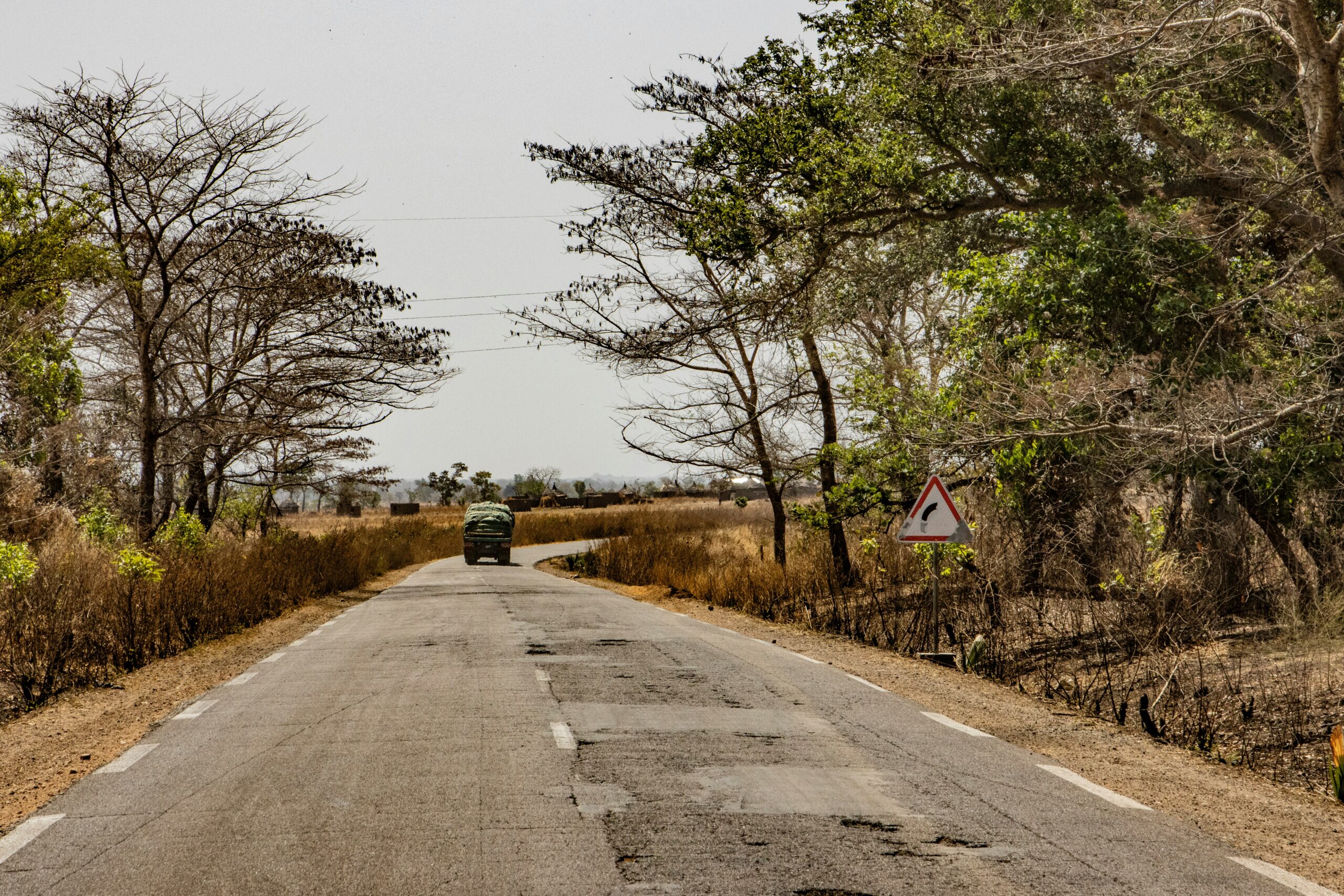
It’s not just about avoiding stress — the drive itself is beautiful. You’ll pass green hills, small villages, and roadside fruit stands selling roasted plantains and pineapples. The air gradually cools as you climb toward the mountain.
Shared Taxi (Most Local Option)
If you want to experience the trip like a local, take a shared taxi from Bonabéri Motor Park in Douala. Cars heading to Mile 17 Motor Park in Buea fill up fast in the morning. The price is usually between 2,000 and 3,000 XAF per seat, though comfort is minimal — you’ll likely share space with five or six people and their luggage.
Still, it’s an adventure — and a great way to meet locals who might share their own mountain stories.
Bus (Cheapest but Slowest)
Several transport agencies run buses from Douala to Buea, including Mondial Express, Golden Express, and Musango Express. A ticket costs around 2,000 to 3,500 XAF. Buses are slower because they make stops along the way, but they’re safe and reliable.
When you reach Mile 17 Motor Park, you’re officially in Buea. From there, you can take a short taxi ride to Upper Farms, where the Mount Cameroon National Park office and most trailheads are located.
3. Getting from Limbe to Buea
If you’re starting from Limbe, your journey is much shorter — just 30 to 40 minutes by road, depending on traffic and weather.
The route winds through Limbe Mutengene High Way before branching off toward Mutengene and up the slope to Buea. It’s one of the most scenic drives in Cameroon — the kind that makes you roll down the window just to feel the ocean breeze turn into cool mountain air.
You’ll watch the landscape change before your eyes: coconut trees fade into thick tropical forest, and then the mist begins to roll in. It feels like you’re driving into another world.
Taxis and private cars constantly run this route. A seat in a shared taxi costs about 1,000 to 1,500 XAF, while a private hire might cost 10,000 to 20,000 XAF.
If you book with Ndolo Travels, we’ll arrange everything — pick-up, luggage handling, even a quick stop to buy water or snacks before the climb.
4. Arriving in Buea: The Gateway to the Mountain
Once you reach Buea, take a deep breath — this is where your real adventure starts.
Buea sits at roughly 1,000 meters above sea level, which means the air is already cooler and thinner. The town wraps around the lower slopes of the mountain, with a backdrop of misty green hills and the faint outline of the peak above.
Here’s what you should do upon arrival:
-
Check into your accommodation – Rest, shower, and get used to the altitude.
-
Visit the Mount Cameroon National Park Office – Pay your entrance fee (1,500 XAF for Cameroonians, 10,000 XAF for other Africans, and 15,000 XAF for international visitors), and register your climb.
-
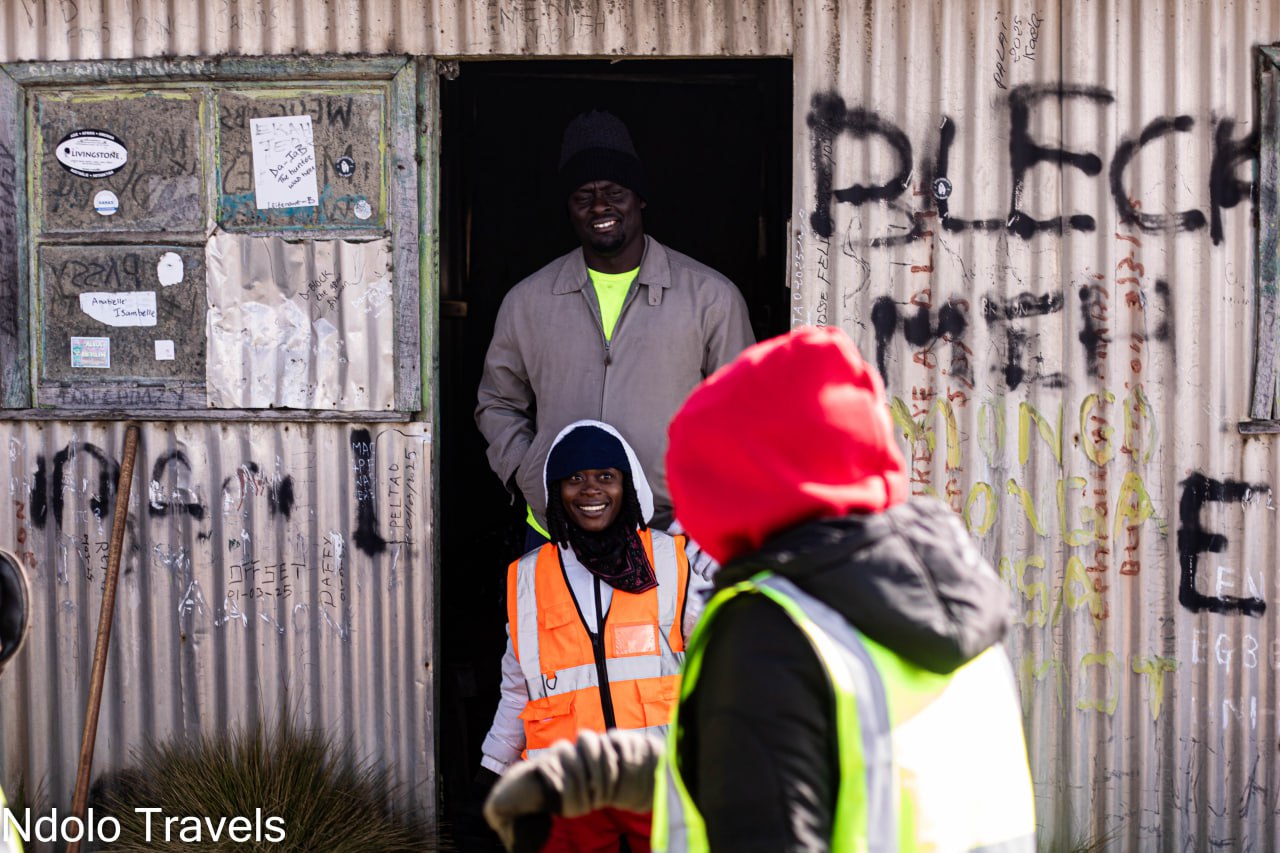
Meet your guide and porters – These are your new teammates for the next few days.
-
Do a final gear check – Rent or buy any missing essentials: warm clothes, hiking boots, flashlights, or sleeping bags.
If you’re hiking with Ndolo Travels, we handle all of this ahead of time. All you do is arrive, relax, and get ready for the climb.
5. Booking Your Mount Cameroon Tour
Now let’s talk about the actual tour. You have two main options:
Option 1: Organize Everything Yourself
This means arranging your own guide, porters, permits, food, and lodging. It’s possible, but it takes time and local knowledge. You’ll have to visit multiple offices, negotiate with guides, and coordinate transportation to the trailhead.
If you enjoy doing things your own way, this option gives you full control — but it also comes with more risk. Delays, language barriers, or missing permits can easily throw your schedule off.
Option 2: Book Through Ndolo Travels
This is the smoother option. We handle everything — transport from Douala or Limbe, permits, food, porters, accommodation, and your guide. You just show up with your hiking clothes and energy.
Our team knows the routes, the weather, and the timing. We also coordinate with park authorities to ensure a seamless experience. Plus, you get 24/7 local support in case anything unexpected happens.
This is especially important if it’s your first time climbing Mount Cameroon. Having professionals organize the logistics means you can focus on what really matters — the journey, the views, and the story you’ll tell after.
6. The Journey Day by Day (Example Itinerary)
Here’s what a typical 3-day climb looks like if you leave from Limbe or Douala with Ndolo Travels:
Day 1 – Arrival and Preparation:
Arrive in Buea, check into your lodge, and attend a pre-climb briefing. Meet your guide and porters. Do your equipment check, rest, and enjoy dinner in town.
Day 2 – Begin the Hike:
Start early from Upper Farms and hike up to Hut 2, passing through the tropical forest, the savanna zone, and the bamboo belt. Rest at Hut 1 or Hut 1B for water breaks.
Dinner and overnight stay at Hut 2 (the ecological lodge with food, drinks, and cabins).
Day 3 – Summit and Descend:
Wake up early, around 3–4 a.m., and begin your summit push. Reach the top around sunrise, then descend back through Hut 2 to the base by afternoon.
Return to Buea for a shower, celebration meal, and if you’re heading back to Limbe or Douala, we’ll arrange your transport.
It’s intense, beautiful, and life-changing — especially when the clouds part and you see the world spread out below.
7. Costs to Expect
The cost of a Mount Cameroon tour depends on how long you climb and what kind of comfort you want. Here’s a breakdown to help you plan realistically:
-
Transport (Douala or Limbe to Buea): 2,000–40,000 XAF (depending on transport type)
-
Park entrance fee: 1,500 XAF (Cameroonians), 10,000 XAF (Africans), 15,000 XAF (foreigners)
-
Guide fee: 20,000–30,000 XAF per day
-
Porter fee: 15,000–25,000 XAF per day
-
Hut 2 lodging: 5,000–70,000 XAF per night depending on cabin type
-
Food and water: 10,000–25,000 XAF per day
-
Ndolo Travels complete package: starts around 200,000–250,000 XAF for a full 3-day organized experience (including guides, permits, meals, and lodging).
Always remember, prices can change depending on the season, number of people, and any special requests.
8. When to Travel from Douala or Limbe
The best months to travel from Douala or Limbe to hike Mount Cameroon are November to May — the dry season. Roads are in better condition, the air is clearer, and the trails are less muddy.
During the rainy season (June to October), you can still climb, but expect slippery paths and limited visibility. Some drivers also charge more for transport during heavy rains.
9. Final Tips Before You Leave
-
Start early. If you’re coming from Douala, leave by 6 a.m. to avoid traffic.
-
Pack light but smart. Carry your essentials and let porters handle the rest.
-
Stay hydrated and eat well. The climb starts at over 1,000 meters — your body needs energy.
-
Respect the environment. Don’t litter; the mountain is an ecologically protected area.
-
Stay a day after the hike. Rest in Buea or Limbe before heading back — your body will thank you.
10. The Journey Home
After it’s all done — after you’ve reached the summit, touched the clouds, and come back with tired legs and a full heart — the drive back to Limbe or Douala feels different.
The mountain stays behind you, but somehow, it also stays with you. You’ll catch yourself replaying the climb in your head — the laughter at Hut 2, the mist in the forest, the glow of the sunrise at 4,095 meters.
And when the road bends and you see the ocean again, you realize you’ve done something unforgettable. You didn’t just climb a mountain — you lived a story.
So if you’re planning to start your Mount Cameroon adventure from Limbe or Douala, let us help you make it seamless.
At Ndolo Travels, we don’t just handle logistics — we handle moments.
We make sure your journey from the city to the summit flows like it was meant to happen all along.
Because the truth is, Mount Cameroon doesn’t begin when you take your first step on the trail.
It begins the moment you decide to go.

Leave a Reply