
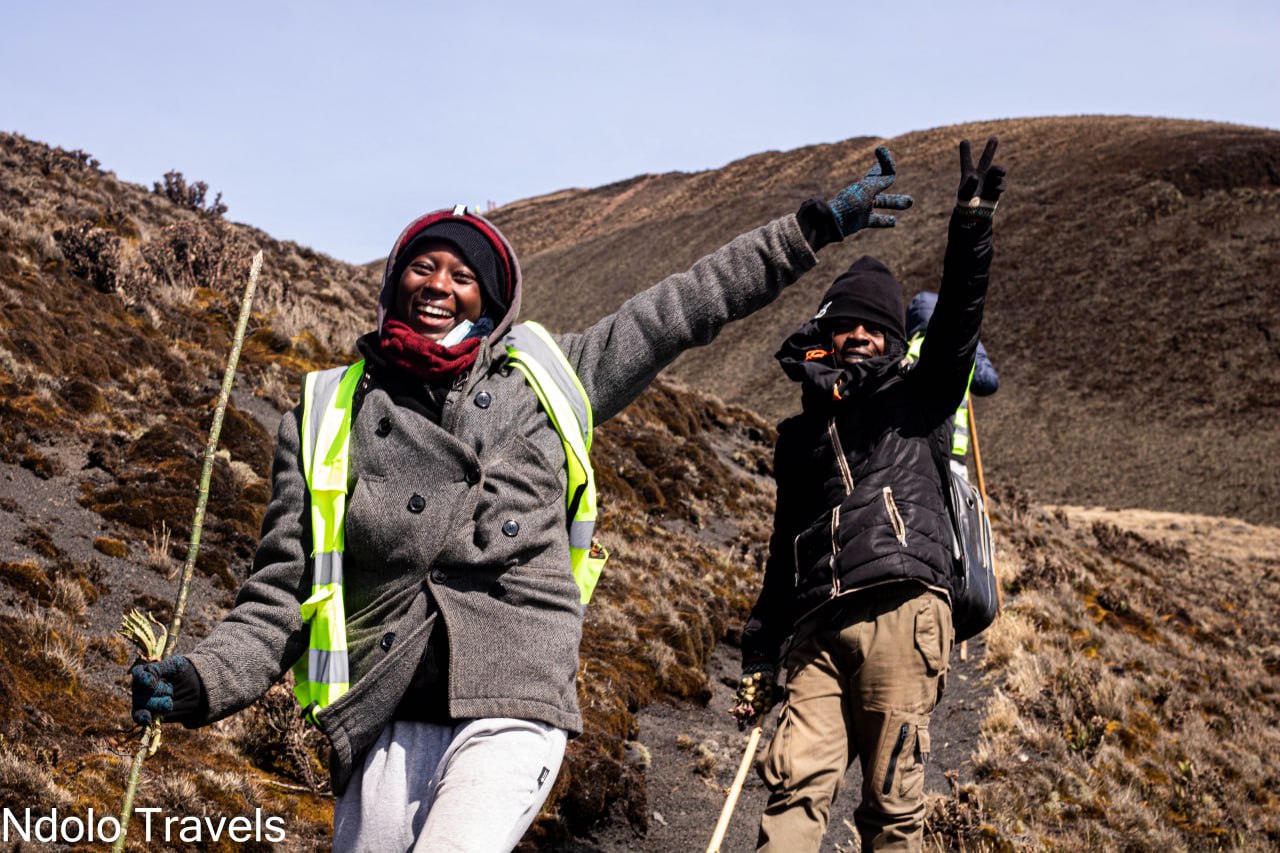
If there’s one thing that defines the Mount Cameroon experience, it’s how raw and real it feels. Every step, every breath, every pause tells you that you’re somewhere ancient — a place that still remembers the first footsteps that ever crossed its slopes. But while the climb is wild, the mountain does take care of those who respect it. Scattered across the trails are huts, lodges, and small resting points that offer both safety and comfort to tired hikers. Knowing how these accommodations work — where they are, what they offer, and what to expect — can make all the difference between a painful struggle and an unforgettable adventure.
So let’s go through it together, from the first hut to the last, as if you and I were walking side by side on the trail.
The Journey Begins in Buea — The Gateway to the Mountain
Before you even think of setting foot on the slopes, your journey begins in Buea, the quiet but vibrant town sitting right at the foot of Mount Cameroon. This is where almost every hike starts — through the Upper Farms entrance that leads into the heart of the national park.
Buea itself has several hotels, guesthouses, and eco-lodges that cater to hikers. Some are simple and budget-friendly, while others are comfortable enough to give you one last taste of luxury before the climb begins. Most hikers arrive here a day before their trek to rest, meet their guides, sort out gear, and get permits from the park office.
If you’re hiking with Ndolo Travels, we usually arrange accommodation for you in Buea before and after the hike — that way, you can shower, eat, and sleep properly after your descent.
Once everything is set, the real journey begins.
Hut 1 – The First Stop: Rest, Refresh, and Refill
Your climb usually starts early in the morning. The first few hours take you through thick tropical forest — the air is cool, sometimes misty, and the trail feels alive with the sound of rustling leaves and singing birds. You may hear monkeys, though sightings have become rare with recent climate and habitat changes.
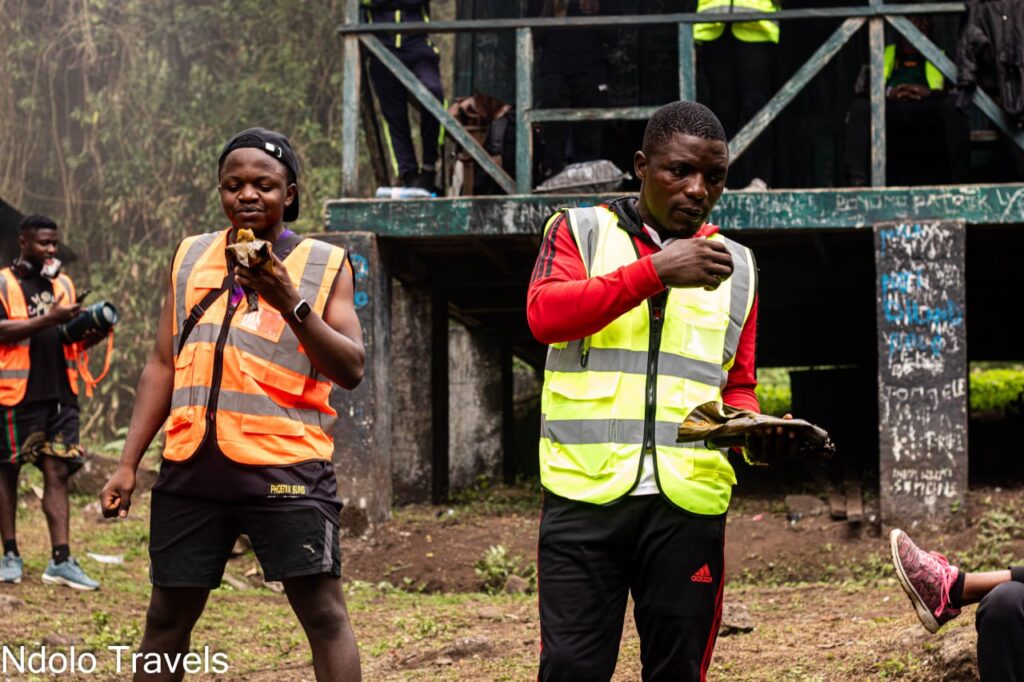
After about 2 to 3 hours, you’ll arrive at Hut 1. Don’t let the name fool you — this isn’t really a “lodge” in the traditional sense. There are no beds here. It’s more of a resting point, a spot where you can sit down, drink water, stretch, and breathe before continuing.
Hut 1 is also the place where you’ll meet the security ranger who guards the park’s entry. It’s a checkpoint that ensures everyone entering the higher zones is registered for safety. The rangers here are friendly and often share short stories about the mountain, its wildlife, or how quickly the weather can change. There’s a small water source nearby, so hikers usually refill their bottles.
If you’re hiking with porters, this is where they usually adjust loads or take a short break. After Hut 1, the path starts to tilt upwards more sharply.
The Intermediary Hut (Hut 1B) – A Quiet Pause Between Worlds
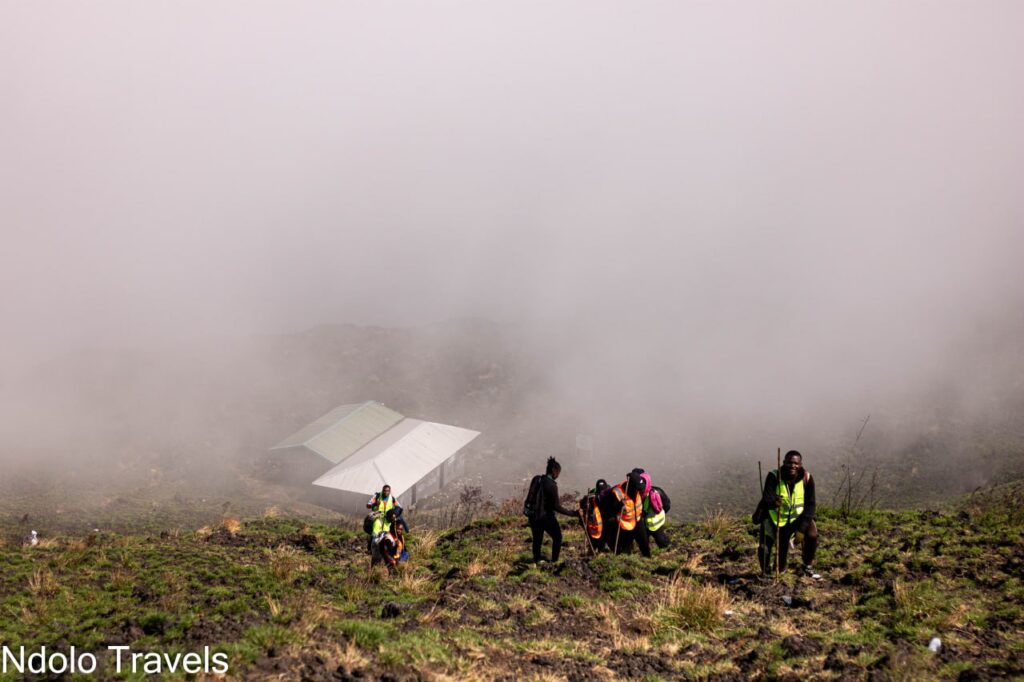
About an hour and a half from Hut 1 lies a smaller resting area known as the Intermediary Hut or Hut 1B. Think of it as a halfway mark between the dense forest and the open savanna. The air is thinner here, and the vegetation begins to change — tall trees fade away and give room to grasses and shrubs.
This hut is basic — no water, no services, just a simple shelter where you can sit, snack, and regain your strength. But it’s one of those places where hikers often form quiet connections. You look around and realize how far you’ve come, and how far the summit still is. The silence humbles you.
If the weather is cloudy, you’ll notice the mountain mist rolling over the slopes like waves. It’s breathtaking. But don’t stay too long — the real comfort awaits at the next stop.
Hut 2 – The Ecological Lodge and Heart of the Mountain
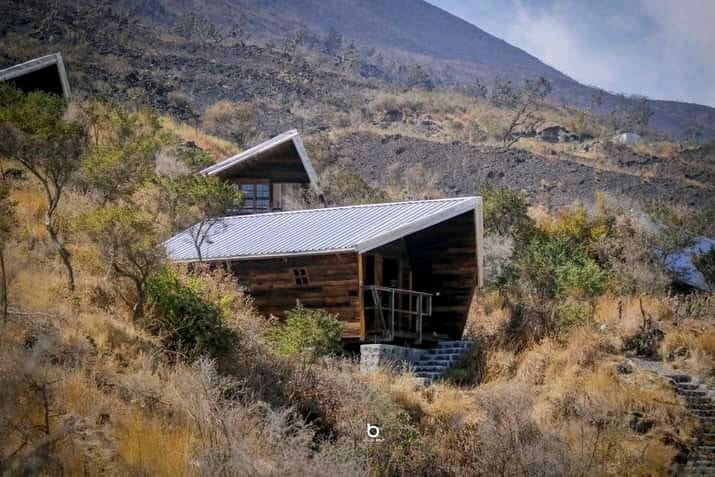
Now, this is where things get truly interesting. Hut 2 isn’t just another stop — it’s the main base camp for hikers and the beating heart of Mount Cameroon’s trail system. Located at around 2,800 meters above sea level, Hut 2 is a full-fledged eco-lodge and resort built to accommodate and feed climbers.
Unlike the first huts, this one offers real comfort. There are rooms, cabins, and dormitory-style shelters, ranging from 5,000 CFA for basic bedding to as high as 70,000 CFA for private cabins with better amenities.
The lodge also has a small restaurant and bar where you can order meals — prices vary between 3,000 CFA for simple breakfast (think tea, eggs, bread, or oatmeal) and up to 20,000 CFA for heavier meals like grilled chicken, pasta, or rice dishes. Drinks are available too, from water and sodas to beer for those who want to celebrate making it halfway.
You’ll also find running water, showers, and toilets — something that feels like pure luxury at this altitude. The eco-lodge is powered partly by solar energy and managed in a way that respects the environment. The staff here often double as guides, cooks, and caretakers, ensuring the place stays clean and functional despite the rough conditions.
Most hikers spend the night here before pushing toward the summit early the next morning (around 3 or 4 a.m.). The night sky here is unreal — clear, silent, and filled with stars. The temperature drops, but the energy among hikers rises. You can feel the anticipation.
Hut 3 – The Final Shelter Before the Summit
From Hut 2, the trail grows steeper and colder. You’ll pass through what many call the “rock zone,” where grass disappears and dark volcanic stones dominate the landscape. The air is thin now, and every step feels heavier — this is where your endurance and mental strength come into play.
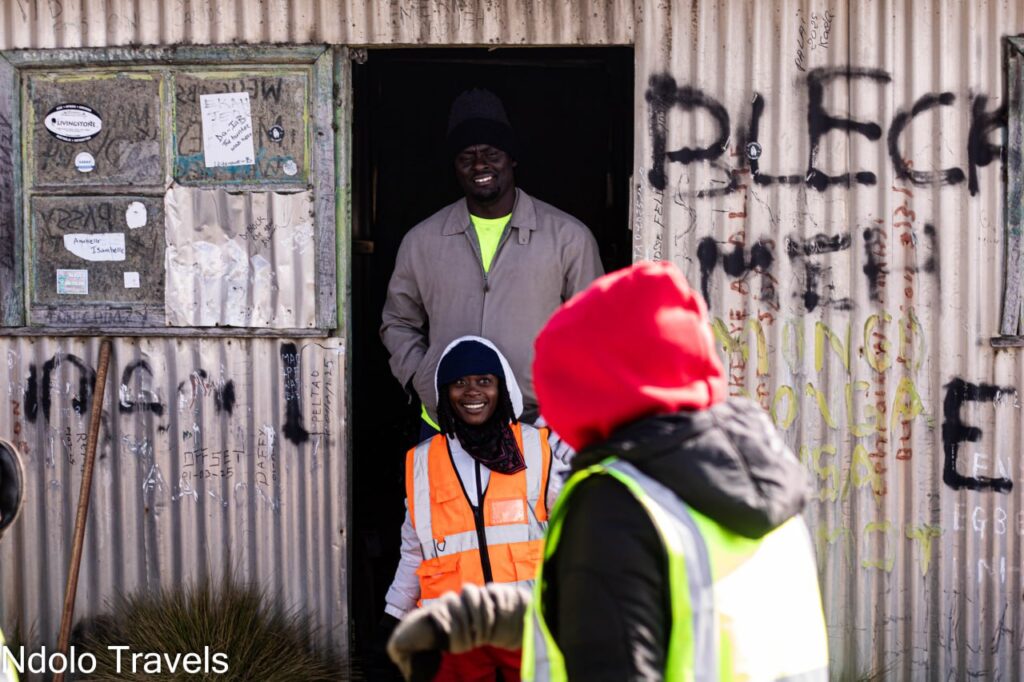
After a few hours of climbing, you’ll reach Hut 3, the last shelter before the summit. Unlike Hut 2, there are no beds, restaurants, or paid services here. It’s a simple refuge made for resting and sheltering from the wind. Staying here is free of charge, just like at Hut 1 and 1B.
Hut 3 sits close to the edge of the sandy summit zone, where the final push to the top begins. Many hikers stop here briefly to warm up, snack, or rest before that last climb. If you time it right, you’ll reach the summit just as the sun begins to rise, painting the lava fields gold.
Sleeping on the Mountain – What You Need to Know
While Hut 2 is the only place where you can book real accommodation, some hikers prefer to camp along the trail — especially those on longer expeditions or those wanting to take it slow.
Camping is allowed in designated areas near the huts, but you’ll need to bring your own tent and sleeping bag. It’s important to follow eco-guidelines strictly: no open fires, no littering, and no damaging vegetation. The Mount Cameroon National Park is a protected ecological zone, home to rare species and fragile ecosystems, so everything must be left as it was found.
If you hike with Ndolo Travels, we help arrange your sleeping setup — whether you want to stay at the lodge, camp near the huts, or rest under the stars. Our guides also carry emergency supplies in case of weather changes or fatigue.
A Note on Safety and Comfort
One thing every hiker learns quickly is that comfort on Mount Cameroon is earned, not guaranteed. Nights get cold, even at lower altitudes. The higher you go, the wind bites harder, and the temperature can drop below freezing near the summit.
That’s why choosing where to rest is crucial. If you plan to stay at Hut 2, make sure to book early, especially during the high season (January–March). Spaces can fill up quickly, especially around the annual Mount Cameroon Race of Hope, when hundreds of athletes and hikers visit.
If you’re camping, pack a warm sleeping bag, insulated mat, and waterproof tent. For the lodge, a lighter blanket will do, but it’s still wise to carry extra layers — temperatures can shift fast.
The Human Side of the Mountain
Beyond the huts and the trails, what truly makes these resting points special are the people you meet. Rangers who’ve spent decades on the mountain, porters carrying heavy loads with a quiet strength, cooks who can make a hot meal out of almost nothing, and fellow hikers from all corners of the world.
When you share food at Hut 2, warm your hands beside another hiker at Hut 3, or rest in silence at Hut 1 watching mist drift through the forest, you realize something powerful — Mount Cameroon isn’t just a climb. It’s a community, a living classroom that teaches patience, humility, and connection.
Practical Tips for Staying in the Huts
If this will be your first time hiking Mount Cameroon, here are a few things to keep in mind about the huts and accommodation system:
-
Carry Cash: Payments at Hut 2 are made in cash, and there’s no mobile money or card system available. Bring small CFA notes for food, drinks, and your bed.
-
Arrive Early: If you’re hiking independently, get to Hut 2 before sunset to secure a space.
-
Respect Quiet Hours: Many hikers sleep early to start the summit push at dawn. Keep noise low after 9 p.m.
-
Leave No Trash: Pack out everything you bring in — including wrappers, bottles, and tissue.
-
Bring Your Own Light: The huts don’t have steady electricity, so a headlamp is essential.
Final Thoughts
Camping and staying in the huts on Mount Cameroon isn’t just about where you sleep — it’s about how you experience the mountain itself. Each stop has a story, each rest point has a rhythm, and every night spent up there deepens your respect for nature.
From the forest floor at Hut 1 to the windswept plains near Hut 3, every part of the mountain reminds you that adventure isn’t found in comfort — it’s found in presence.
So whether you’re resting at the eco-lodge in Hut 2, refilling your bottle under the watch of the ranger at Hut 1, or warming your hands at Hut 3 before sunrise, remember: you’re walking the same paths countless others have taken before you, all chasing the same thing — that quiet, life-changing moment at the top of West Africa’s highest mountain.
And when you finally descend, sore but fulfilled, you’ll realize that the huts weren’t just places you stopped to rest. They were milestones in a journey you’ll never forget.

Leave a Reply