
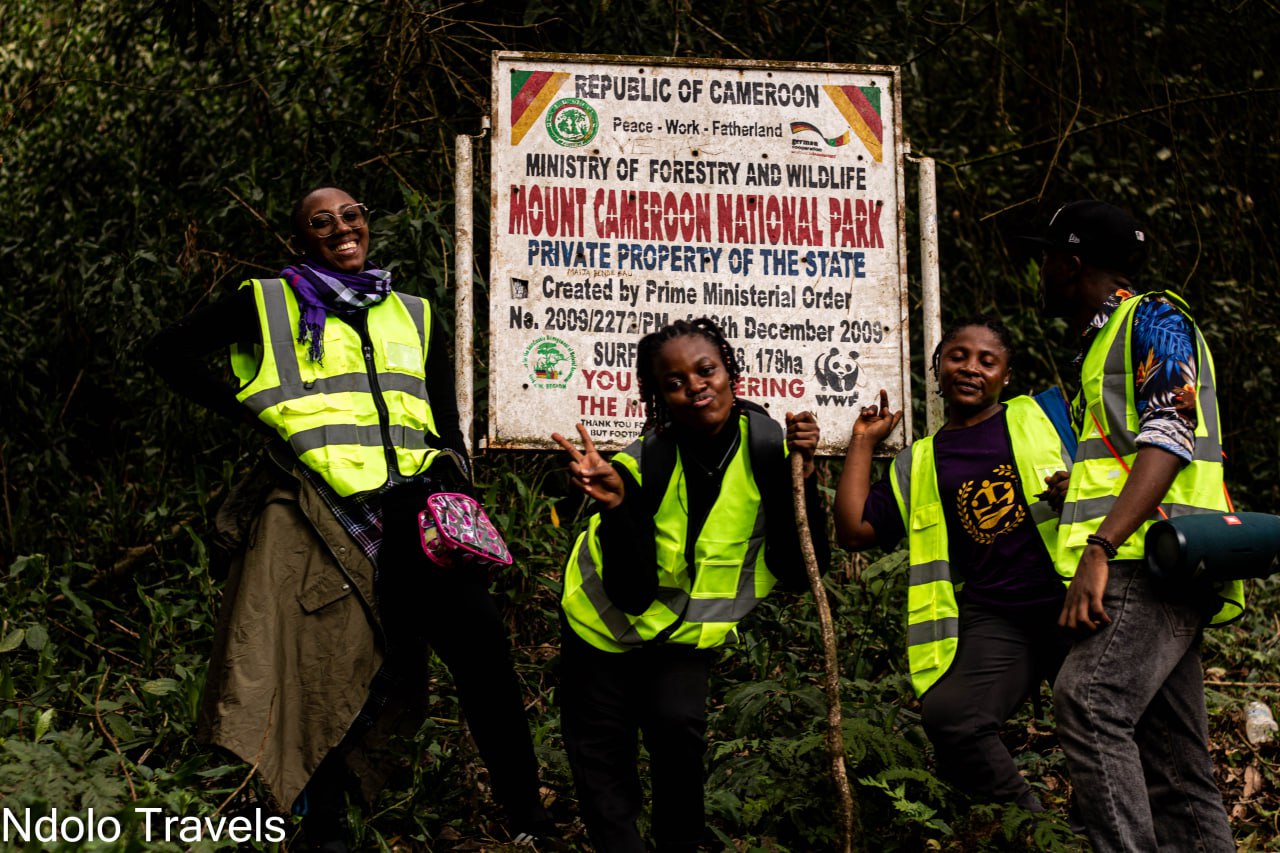
Every February, the quiet town of Buea transforms into the heartbeat of Africa’s most grueling endurance challenge — the Mount Cameroon Race of Hope. Thousands gather at the base of West Africa’s tallest mountain, their eyes fixed on the dark outline of the summit that towers 4,040 meters above the Atlantic coast. It’s not just a race; it’s a celebration of strength, pride, and tradition.
For Cameroonians, this event is more than a competition — it’s a symbol of hope, resilience, and unity. The sound of drums echoes through the town, the streets fill with dancers, vendors, and spectators, and banners wave in the wind. The whole region comes alive. But for the runners — both professionals and locals daring to test themselves — the journey ahead is one of pain, perseverance, and glory.
A Brief History of the Race
The Mount Cameroon Race of Hope has roots that reach back over five decades. The first edition took place in 1973 and was known simply as the Mount Cameroon Race. It was inspired by the global fascination with endurance events like the Boston and Comrades Marathons but set apart by its unforgiving terrain and extreme altitude changes.
Over the years, it evolved into a symbol of national pride. In the 1990s, the race was renamed the Race of Hope, a title that reflects what it represents for the Cameroonian people — the hope to rise above challenges, to keep climbing no matter how tough life gets.
Today, it’s a major international event that attracts elite athletes from Kenya, Ethiopia, Nigeria, and beyond, alongside hundreds of local runners — from soldiers and students to farmers and mothers.
The Route — From Molyko to the Summit and Back
The race begins in Molyko Stadium, in the heart of Buea. From there, runners dash through cheering crowds along the main road, passing the University of Buea, the dusty stretch through Upper Farms, and the steep path into Mount Cameroon National Park.
The full race covers about 38 kilometers, but it’s unlike any other marathon on the continent. The elevation gain alone is over 3,000 meters from the starting point to the summit. The terrain shifts dramatically — from paved streets to red earth, dense rainforest, grassland savannah, rocky slopes, and volcanic ash fields. It’s a brutal test of endurance that pushes even the strongest athletes to their limits.
Runners must pass key points such as Hut 1, Hut 1B (the intermediary hut), Hut 2, and Hut 3, before touching the summit, often surrounded by mist, wind, and near-freezing temperatures. Then comes the descent — an equally dangerous and exhausting ordeal that demands precision, strength, and concentration.
Most runners complete the race in 4 to 6 hours, though for many, simply finishing is a victory. The current record times hover around 4 hours for men and 5 hours for women — mind-blowing achievements considering the punishing conditions.
The Spirit of the Race
What makes the Race of Hope so powerful isn’t just the distance — it’s the meaning behind it. For Cameroonians, Mount Cameroon isn’t just a mountain. It’s “The Chariot of the Gods,” a sacred symbol of endurance, creation, and strength.
Every year, the race brings together people from every walk of life — old and young, rich and poor, professional and amateur. Some run for glory. Others run for the experience, to prove to themselves that they can do something extraordinary.
For many, it’s deeply emotional. Some cry when they reach the summit, others when they cross the finish line. The exhaustion, the pain, and the pride blend into a feeling that words can hardly capture. It’s as if, for a few hours, the mountain becomes a mirror — showing you exactly who you are and what you’re made of.
The Training and Preparation
Training for the Race of Hope isn’t just physical — it’s mental and spiritual too. The best runners train for months, often running up and down the foothills of Buea, through villages like Bokwango and Bonakanda, strengthening their lungs and legs.
Physical training usually involves hill sprints, long-distance runs, bodyweight exercises, and breathing drills to prepare for the altitude. But beyond strength and stamina, success in this race depends on mental resilience.
At some point on the mountain — often near Hut 2 or the rocky section just below the summit — every runner faces a breaking point. The body screams to stop, the lungs burn, and the legs feel like lead. What keeps them going is willpower. The Race of Hope teaches you that victory doesn’t come from comfort; it comes from endurance.
Even local villagers who join without formal training often rely on deep mental toughness — the kind that comes from daily life in the hills, carrying firewood, climbing slopes, and living close to the land.
Weather and Conditions During the Race
The Mount Cameroon Race of Hope takes place in February, chosen because it’s one of the driest months in Buea. Still, the mountain has its moods. Down at the base, the weather is hot and humid, often above 30°C. But as runners climb, the temperature drops sharply, sometimes nearing 0°C at the summit.
Rain can fall unexpectedly, turning the trails slippery and treacherous. Mist can roll in, blinding visibility. The wind near the top can be fierce enough to knock a person off balance. That’s what makes the race so unpredictable — it’s not just about running fast, it’s about adapting to nature’s temperament.
The weather is one reason guides and porters play such a big role during the race for non-competitive participants and tourists who come to hike during the same season. Locals know how to read the mountain’s signs — when to push forward, when to pause, when to protect yourself from the cold.
Local Heroes and Legends
No story about the Race of Hope is complete without mentioning the legends who made it what it is.
The most celebrated is Sarah Etonge, often called the Queen of the Mountain. A mother of seven, she won the race multiple times in the late 1990s and early 2000s, becoming a national icon. Her discipline, humility, and endurance captured the hearts of millions. Sarah’s story reminds everyone that greatness isn’t reserved for the privileged — it’s born from courage and consistency.
Then there’s Gaston Nchango, one of the earlier champions who set the standard for younger runners. Over the years, countless others — from soldiers to students — have become hometown heroes, celebrated for simply daring to climb and descend that mountain faster than most would dare to walk it.
Each year, new faces emerge, carrying forward that legacy.
The Cultural Celebration
Beyond the competition, the Race of Hope is a festival. The week leading up to the race is full of energy — the markets are busier, streets decorated with flags, and hotels filled with visitors from across Cameroon and abroad.
On race day, thousands line the roads, cheering as runners sprint past. Drummers beat rhythms that seem to lift tired feet, women ululate, and children run alongside athletes for a few meters before peeling off. The atmosphere is pure joy — the kind that unites people through shared pride and excitement.
For visitors, it’s the best time to experience Buea’s culture — a blend of colonial history, mountain tradition, and youthful spirit. Street food vendors sell roasted corn, plantains, and puff-puff, while local music keeps the crowds dancing long after the race has ended.
At the finish line, it’s not just about medals. It’s about survival, unity, and hope. Whether you finish first or last, the cheers are the same — because everyone who faces that mountain has earned respect.
What It Costs to Participate
For professional runners, entry fees are modest — around 5,000 to 10,000 CFA, depending on the category. But preparing for the race is where the real investment lies: gear, nutrition, training, and recovery.
For visitors or adventure seekers who want to experience the route outside of race day, Ndolo Travels offers organized Mount Cameroon Race Trails — guided hikes following the same path as the marathon. These trips include guides, porters, meals, and permits, giving you a firsthand feel of what the runners endure.
It’s a perfect way to relive the race at your own pace, to walk the path where legends were made, and to connect with the mountain’s spirit without the pressure of competition.
The Global Recognition
Over the years, the Race of Hope has gained attention beyond Cameroon. International athletes often describe it as Africa’s most challenging marathon — tougher than the Kilimanjaro or Ethiopian highland runs due to its elevation gain and quick descent.
Media outlets like the BBC and Al Jazeera have covered the race, capturing its energy, the determination of the athletes, and the raw beauty of the landscape. Still, it remains deeply local — run by Cameroonians, for Cameroonians, rooted in community and culture.
That’s what makes it special. It’s not commercialized or distant. It’s real, rough, and full of heart.
Why It Matters
The Race of Hope isn’t just about athleticism. It’s a symbol of Cameroon’s spirit — our resilience, diversity, and ability to rise again and again no matter what life throws at us.
For the people of Buea and the Southwest, it’s a moment of pride and togetherness. For the runners, it’s a personal test. For the spectators, it’s a chance to be inspired. And for travelers, it’s a rare glimpse into something raw and powerful — a tradition that blends culture, sport, and faith into one unforgettable experience.
Every step up that mountain is a metaphor for life in Cameroon — full of struggle, beauty, and hope. The Race of Hope reminds us that no matter how steep the climb, we are capable of reaching higher than we ever imagined.
If You Want to Experience It
If you’ve ever dreamed of standing at the foot of Mount Cameroon, watching hundreds of runners take off toward the sky, or even walking a part of the trail yourself, Ndolo Travels can make it happen.
We organize immersive Race of Hope experiences — from spectating the event to guided post-race hikes along the same route. You’ll learn the history, visit the huts, meet locals who have run it, and feel what it’s like to chase the summit under the same sun as the champions.
It’s more than a trip. It’s a chance to understand the heart of Cameroon — where courage meets tradition, and where the mountain reminds every one of us that the real race isn’t about winning… it’s about finishing strong.
Leave a Reply