
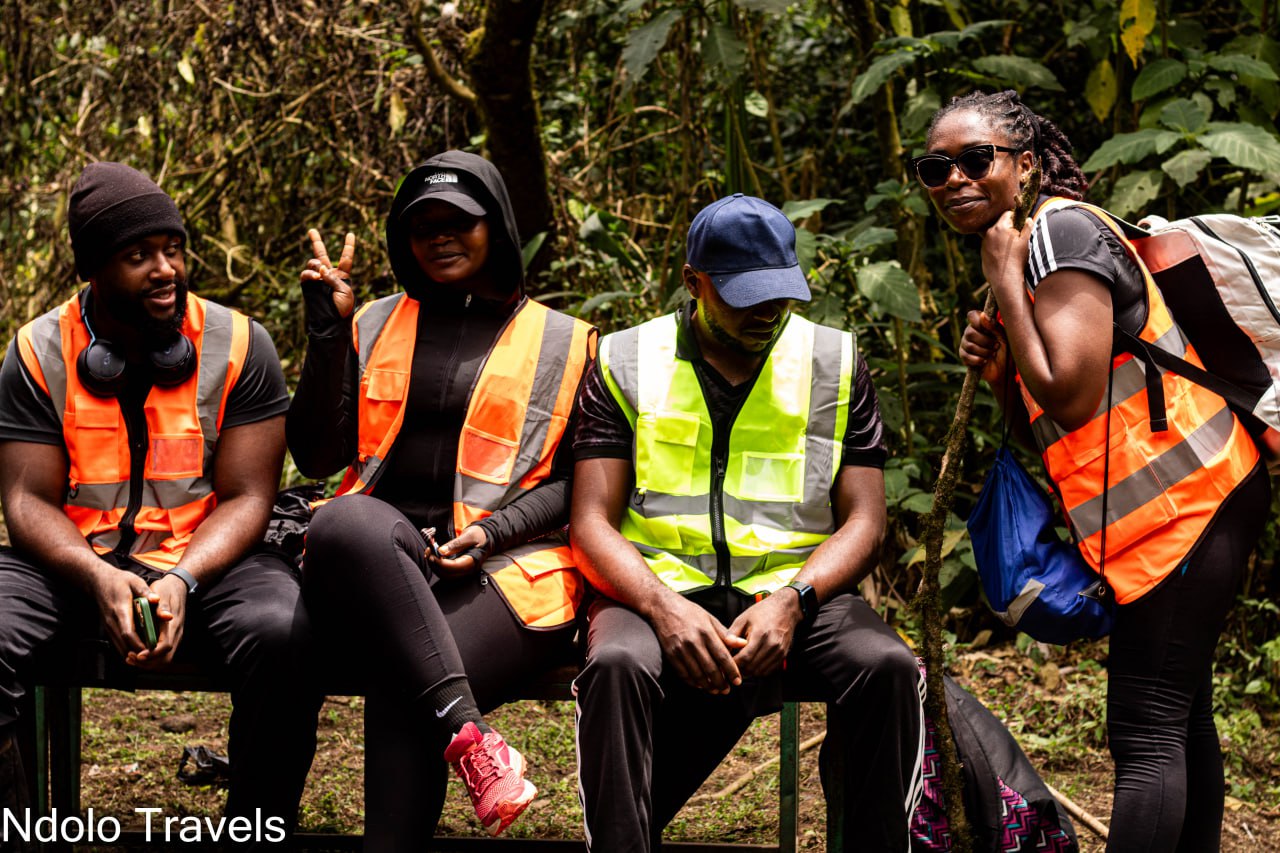
There’s a moment, usually around Hut 2, when most hikers stop and look up. The path stretches endlessly toward the clouds, the air thins, and fatigue begins to whisper doubts into your ear. This is the point where Mount Cameroon separates those who came to climb a mountain from those who came to meet themselves. Because that’s what this mountain really is — a mirror. It reflects your patience, your discipline, and your will to keep going when your legs beg you to quit.
Mount Cameroon, known locally as Fako, is not just the tallest peak in West Africa at 4,095 meters. It’s also one of the most unpredictable. In a single day, you can move from warm rainforest humidity to freezing wind and volcanic ash. The climb is as demanding mentally as it is physically. Yet thousands of people — from seasoned runners to first-time adventurers — take on this challenge each year.
So how difficult is it really? The truth is: it depends on you, your preparation, and your mindset. Let’s walk through everything you need to know — the physical, mental, and environmental realities of this legendary climb, and exactly how to prepare for it.
Understanding the Mountain: Why the Hike Is No Walk in the Park
The climb up Mount Cameroon covers multiple ecosystems. You begin in thick rainforest filled with damp soil, roots, and humidity that can drench your clothes within minutes. This lower section is beautiful but deceptive — it feels manageable, but it drains you slowly. The combination of heat and steep ascents tests your endurance before the real challenge even begins.
After a few hours, the rainforest opens into savanna grasslands. The terrain becomes drier, but the slope gets steeper. Wind replaces humidity, and the sun feels sharper against your skin. It’s at this stage that your legs start to feel heavy. The constant incline offers no break, no flat relief — just a long, steady upward march.
Above Hut 2, the vegetation thins out completely. The world turns rocky, sandy, and cold. Oxygen levels drop, the temperature can fall below zero, and the wind howls across open slopes. Each step becomes an act of willpower. The summit might only be a few kilometers away, but up here, those few kilometers can take hours.
That’s what makes Mount Cameroon so challenging. It’s not the altitude alone. It’s the transition between worlds, the way the mountain shifts beneath your feet and around your lungs.
How Fit Do You Need to Be?
You don’t need to be a professional athlete to climb Mount Cameroon, but you do need to be prepared. The average person can reach the summit with moderate fitness and determination, especially with proper pacing and a supportive guide. However, if you’re completely untrained or sedentary, this mountain will humble you quickly.
Ideally, start training 8 to 12 weeks before your climb. Focus on cardio endurance — hiking, jogging, or stair climbing are excellent. The goal is to build stamina, not speed. You’ll also need leg strength. Squats, lunges, and long walks with a backpack can simulate the load your body will carry. Remember, even a light backpack feels like a burden after hours of climbing.
If you can comfortably hike uphill for 5–6 hours with breaks, you’re in a good position. If you can jog 5 km without collapsing, you’re ready to handle the lower sections. And if you can stay calm and focused when your body feels like giving up, you have the most important muscle of all — mental toughness.
Step-by-Step Preparation Guide
1. Start With Endurance
Mount Cameroon requires sustained effort for 2–3 days. Begin your training by walking or jogging for at least 30–45 minutes, three to five times a week. Gradually increase both your distance and intensity. You want your heart and lungs to handle long periods of steady exertion.
Add uphill hikes or stair climbing whenever possible. Cameroon’s hills are perfect training grounds — places like Small Soppo or Great Soppo hills in Buea mimic the lower sections of the mountain well. Carry a small backpack during your hikes to get used to the weight.
2. Build Leg and Core Strength
Your legs do most of the work, but your core keeps you balanced, especially on slippery or uneven ground. Add squats, lunges, and planks to your weekly routine. Focus on high repetitions rather than heavy weights. The goal isn’t to bulk up, but to improve endurance and stability.
3. Practice With Weight
Most hikers underestimate how heavy even 5 kg can feel after hours of climbing. Practice carrying a backpack with the same gear you’ll use on the mountain — water, snacks, extra clothes. This will help your body adjust and reveal what’s unnecessary to carry.
4. Train for Altitude (If You Can)
If you live at sea level, there’s no easy way to simulate altitude. But you can train your lungs by doing interval cardio — short bursts of high effort followed by rest. This helps improve oxygen efficiency, which will be useful when the air gets thin.
5. Acclimatize in Buea Before the Climb
Don’t rush to the trailhead the day you arrive. Spend at least one day in Buea, a cool mountain town where you can rest, organize your gear, and adjust to the altitude. This small step can make a big difference once you start climbing.
Mental Preparation: Where the Real Battle Happens
Many people think Mount Cameroon is all about fitness, but your body is only half of it. The real challenge is mental. The mountain plays with your emotions — one minute you’re in awe of the view, the next you’re wondering why you ever decided to do this.
Mental preparation starts before the climb. Accept that discomfort is part of the experience. You’ll sweat, ache, and maybe even doubt yourself. But every hiker reaches that point — and every one who pushes through finds something unforgettable waiting on the other side.
Practice mindfulness on your daily walks. Focus on your breathing, your footsteps, the rhythm of movement. This calm awareness will serve you well when the climb becomes tough.
And remember: take it one step at a time. Don’t think about the summit while you’re still in the forest. Focus on reaching the next hut, the next rest stop, the next breath. That’s how you climb Mount Cameroon — not in leaps, but in small victories.
Packing Smart: What to Bring (and What to Leave Behind)
Packing light can make or break your experience. Every unnecessary item adds to your fatigue, and once you’re halfway up, there’s no turning back to drop things off. Here’s what truly matters:
Carry a good pair of hiking boots — waterproof if possible, with solid grip. The rainforest section can be muddy and slippery. You’ll need layered clothing: a light t-shirt for the lower parts, a long-sleeve shirt for the savanna, and a warm jacket for the summit. Temperatures can drop below freezing at night.
A headlamp or flashlight is essential, especially if you start early or descend late. Bring snacks for quick energy — bananas, nuts, and energy bars. Most importantly, carry enough water. Even though there are refill points at Hut 1 and Hut 2, dehydration is a common problem for unprepared hikers.
Porters can help carry your load, and with Ndolo Travels, this is usually arranged for you. Still, keep your backpack manageable. You’ll appreciate it when you’re climbing through volcanic gravel near the top.
Understanding the Terrain and Pace
Mount Cameroon’s terrain shifts dramatically, which is why pacing is everything.
The forest section up to Hut 1 is steep but shaded. You’ll climb through giant trees, over roots, and past streams. It’s humid but magical — a good warm-up for what’s coming. Hut 1 is not for sleeping; it’s mainly a rest point and a water source where hikers often meet park guards.
Between Hut 1 and Hut 2, the real test begins. The forest thickens, the air gets heavier, and the climb turns relentless. This is where you’ll encounter Hut 1B, an intermediary resting point where you can catch your breath and adjust your pace. It takes around 4–6 hours to move from Hut 1 to Hut 2.
When you finally reach Hut 2, it feels like paradise. This spot is an ecological lodge and resort — a place where you can eat, shower, and even get a warm drink. Food prices start around 3,000 CFA for breakfast and can go up to 20,000 CFA for full meals or drinks. Lodging costs range between 5,000 and 70,000 CFA depending on the cabin or room you choose. It’s the perfect place to rest, refuel, and prepare for the summit push.
Above Hut 2, the vegetation fades. You’ll pass Hut 3, a basic shelter near the summit where hikers can rest briefly. The final ascent is sandy and slow. The air is thin, and the winds can be fierce. This is where every step feels like a battle, but the view at dawn — with lava fields glowing beneath the sunrise — makes every ounce of effort worth it.
Weather and Timing
Weather plays a huge role in how hard the climb feels. The best time to hike is during the dry season, from November to March. The trails are clearer, and rainfall is minimal. However, the dry season also means more dust and less shade.
During the rainy season (April to October), the forest becomes slippery and the paths muddy. Hikers often find themselves soaked or delayed by downpours. Still, the landscape is lush and green — a paradise for photographers and nature lovers.
Always check the weather forecast before starting your climb. A clear morning can quickly turn into fog or rain in the afternoon. Your guide will know how to read the conditions and decide the safest pace.
Dealing With Altitude and Fatigue
At over 4,000 meters, altitude sickness is a real risk. Symptoms include headaches, dizziness, and nausea. The key is to ascend slowly and stay hydrated. Spend time resting at each hut to allow your body to adjust.
If you feel unwell, communicate immediately with your guide. Most symptoms are mild and pass with rest, but pushing too hard can make things worse. The mountain isn’t a race — it’s a journey of endurance.
Fatigue, on the other hand, is inevitable. Your body will ache, especially on the descent. The downhill journey is often tougher on the knees than the climb itself. Use trekking poles if you have them, and take your time.
Why a Guide Makes All the Difference
Technically, it’s possible to climb Mount Cameroon without a guide, but it’s not recommended — and officially, you must register through the Mount Cameroon National Park office before starting. A licensed guide ensures safety, helps manage pace, and offers insight about the environment, wildlife, and cultural history.
More importantly, they know how to read the mountain. They can tell when weather is shifting, when to rest, and when to push on. Local guides are also trained in first aid and altitude management. Traveling with an experienced team — like the ones from Ndolo Travels — means you don’t have to worry about logistics, permits, or safety. You simply focus on the climb and the experience itself.
Final Thoughts: Conquering the Mountain Within
Climbing Mount Cameroon is not just a physical challenge; it’s a test of patience, resilience, and willpower. It’s about pushing beyond what you think you can do and realizing that every step forward — no matter how slow — is a victory.
The difficulty of the climb depends on preparation, but also on mindset. If you come with humility, determination, and respect for the mountain, you’ll not only reach the summit — you’ll discover a deeper version of yourself along the way.
When you stand at the top of West Africa, looking down at clouds rolling over the valleys and the Atlantic glimmering in the distance, every sore muscle and every breathless moment will feel worth it. You’ll understand why we call Mount Cameroon not just a mountain, but a teacher.
And when you’re ready to take on that lesson — when your heart beats for adventure and your spirit aches for a challenge — Ndolo Travels will be here to guide you safely, step by step, all the way to the summit and back down again.
Because in the end, it’s not just about climbing Africa’s toughest peak. It’s about becoming the kind of person who dares to try.
Leave a Reply