
Every person who hikes Mount Cameroon asks the same question: how long does it take to climb?
And the truth is — it depends.
Mount Cameroon isn’t a mountain you rush through. It’s a slow, deliberate journey through changing worlds — from humid forest to golden savanna, from open grasslands to black volcanic rock. The time it takes to reach the summit and return depends on your pace, the route you take, the weather, and how long you linger in each zone to rest, eat, or simply stand still and marvel.
That said, most hikers complete the climb in two to three days using the Guinness Trail (Upper Farms Route), the most popular and well-established path. Some professional athletes do it in less than five hours during the annual Mount Cameroon Race of Hope — but for regular people like us, the experience is about patience, rhythm, and endurance.
Let’s walk through the climb together, stage by stage, so you know exactly what to expect — not just in terms of hours, but in how it feels at every point.
Stage 1: The Starting Point — Upper Farms, Buea to Hut 1
Duration: 1.5 to 2 hours
Altitude Gain: 1,000m to 1,800m
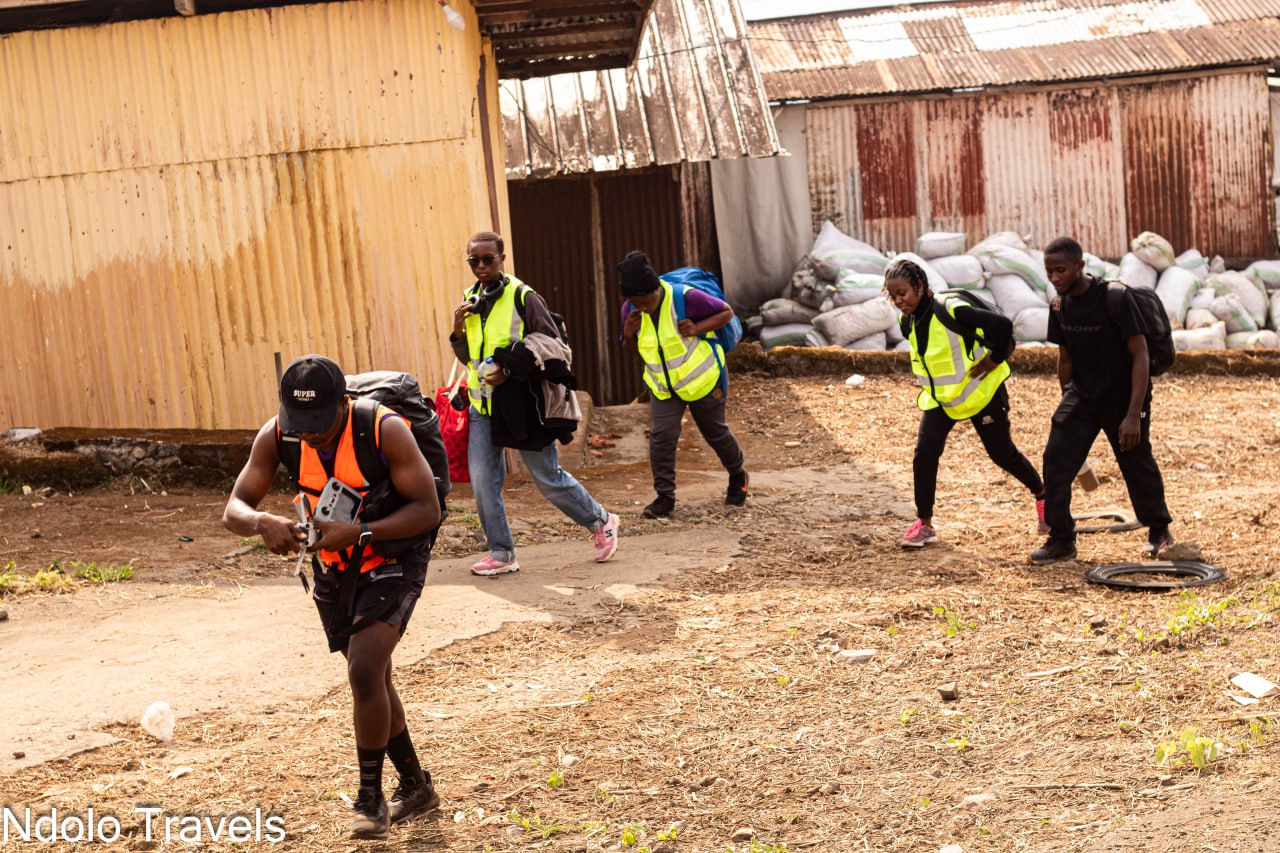
Your journey begins in Upper Farms, a lively area of Buea town known for its local farmlands, views of the peak, and of course, the famous Guinness Brewery — the origin of the trail’s name. The early part of the climb feels almost deceptive. The path begins gently, winding through small farms and backyard gardens where locals grow cocoyams, plantains, and maize. You’ll likely meet villagers carrying baskets or tools, calling out warm greetings as you pass.
The temperature here is warm and the air is thick with humidity. You’ll sweat early, even before you feel like you’re climbing. This is where your body begins adjusting to the effort ahead. After about an hour, the farms fade away and the forest takes over.
The rainforest zone swallows you whole. The trees stretch high above, blocking most of the light. The smell of damp leaves and moss fills your lungs. If you listen carefully, you’ll hear birds calling from deep inside the woods. Some hikers report seeing monkeys, though these sightings have become rare due to recent climate changes. Still, the sense of being surrounded by life remains strong.
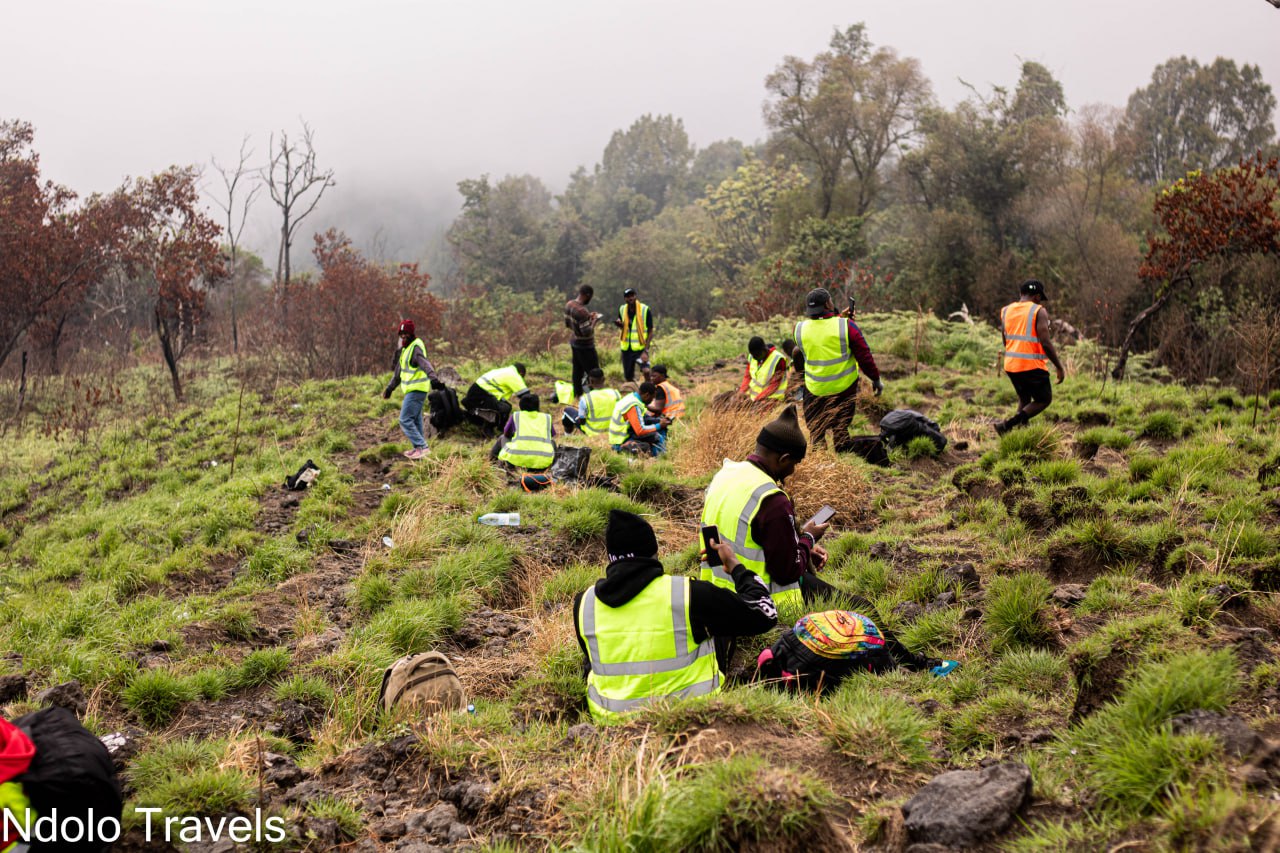
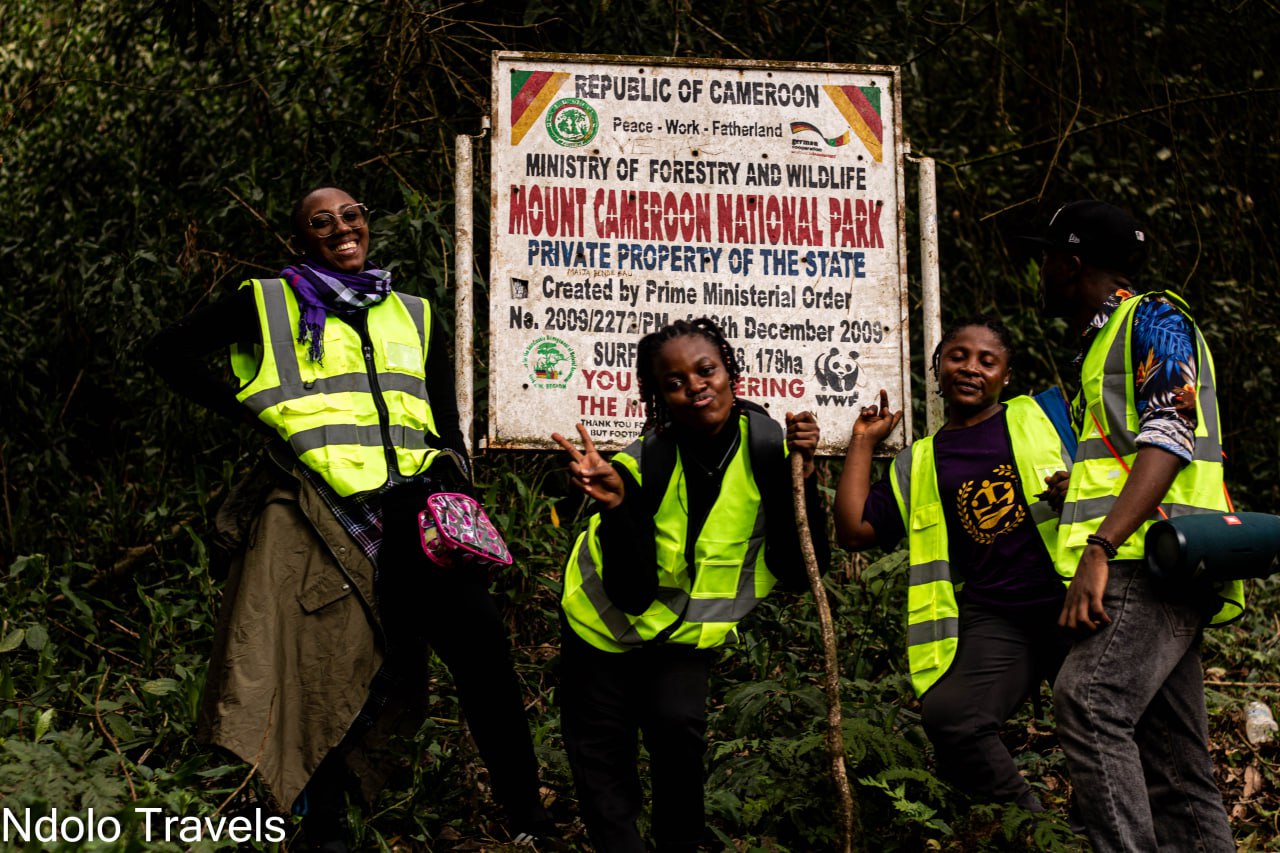
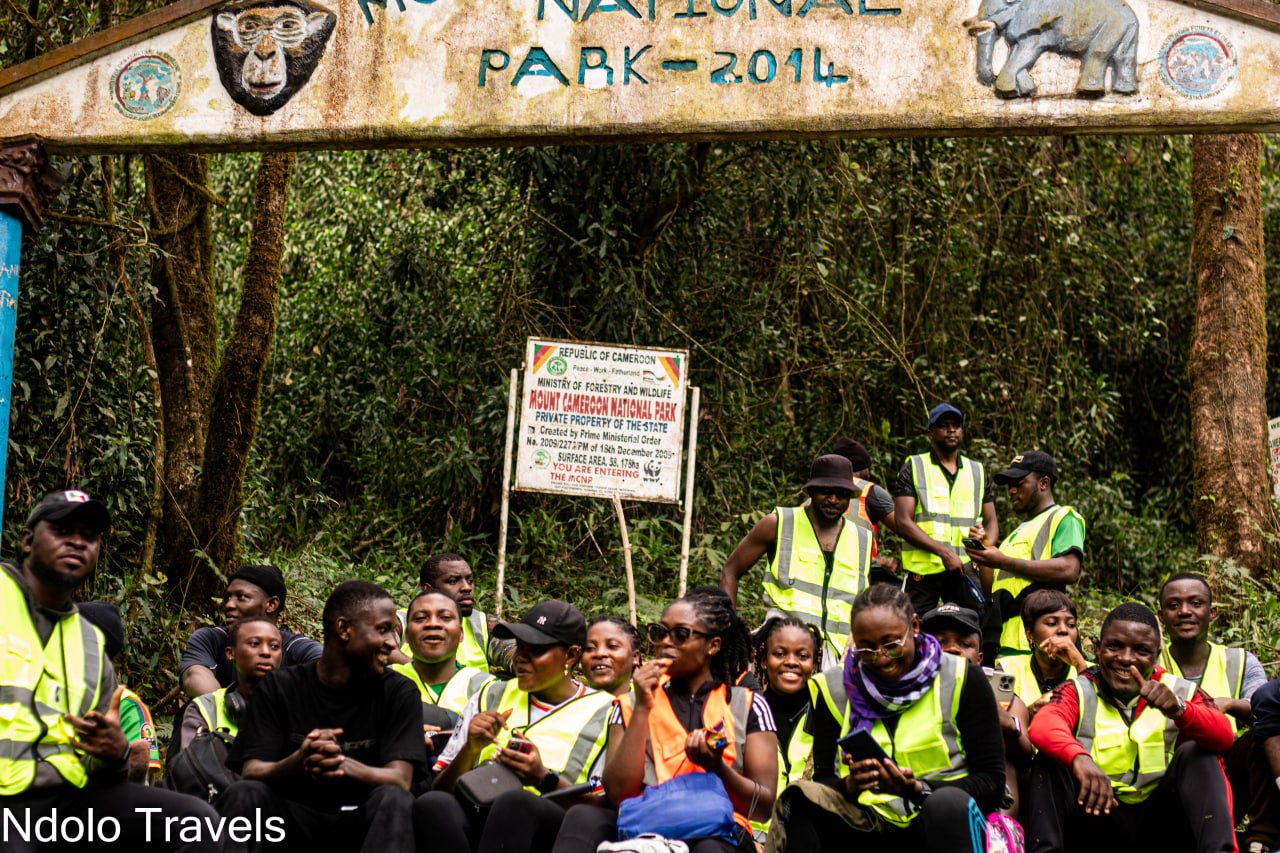
By the time you reach Hut 1, you’ll be dripping with sweat but exhilarated. Hut 1 is not a place to sleep — it’s a rest and water stop, where most hikers pause for a drink and a quick snack. There’s usually a park ranger or security officer here, monitoring access to the protected area. The hut sits on the edge of the forest, so when you step out, you can already see hints of the open savanna beyond.
For many first-timers, reaching Hut 1 is the first small victory. The real mountain begins now.
Stage 2: Hut 1 to Hut 2 (via Intermediary Hut 1B)
Duration: 3 to 4 hours
Altitude Gain: 1,800m to 2,800m
Leaving Hut 1, the climb grows steeper. The forest slowly thins out, and soon you find yourself walking through the intermediate zone — a transition between rainforest and savanna. This section is known for its bamboo groves, which sway and whistle with the wind. The sound is almost hypnotic — a rhythm that pushes you forward.
Halfway through this stage, you’ll reach Hut 1B, also called the intermediary hut. This stop is simple but valuable — a place to sit, drink, and gather your strength before tackling the final push to Hut 2. The climb from here becomes more exposed, with less shade and stronger winds.
As you move upward, the forest gives way to open savanna grassland, golden under the sunlight. This is one of the most beautiful zones on the mountain. You’ll see rolling hills, long grasses, and perhaps — if you’re lucky — the bright flashes of bishop birds dancing across the sky. These are rare species found only here: the females are slightly larger, while the males carry long, elegant tail feathers that flutter as they fly.
The air becomes cooler and thinner. The view behind you begins to widen, revealing the town of Buea and even the faint blue shimmer of the Atlantic Ocean far below.
By the time you reach Hut 2, you’ll be both exhausted and relieved. The landscape around you now feels different — wilder, quieter, and vast.
Stage 3: Hut 2 — Rest, Food, and Recharge
Duration: Overnight stop or extended rest (4–6 hours if same-day ascent)
Altitude: Around 2,800m
Hut 2 is not just a stop — it’s an experience. This is the main eco-lodge on the mountain, and it’s where most hikers spend their first night. Imagine a small mountain resort surrounded by silence, with views stretching across the lowlands.
Inside the lodge, there are cabins, beds, a restaurant, and showers. Meals range from about 3,000 FCFA for breakfast to 20,000 FCFA for more elaborate dishes and drinks. Lodging prices start around 5,000 FCFA for basic rooms and can reach 70,000 FCFA for private cabins with better amenities.
It’s also where guides and porters prepare food, refill water, and brief hikers about the next stage — the summit attempt. The atmosphere at night is special. You’ll meet other hikers around a warm meal, share stories, and maybe step outside to see the lights of Buea glowing far below. The temperature drops sharply here, so warm layers are essential.
If you’re on a 2-day itinerary, you might rest here for a few hours and continue to the summit the same night or very early morning. But most hikers prefer to sleep, recover, and start their summit attempt before dawn on the second day.
Stage 4: Hut 2 to Hut 3
Duration: 3 to 4 hours
Altitude Gain: 2,800m to 3,800m
This stage marks the shift from grassy savanna to volcanic terrain. The path narrows, and the soil turns black and sandy — a reminder that you’re walking on a living volcano. The temperature drops even more, and the air becomes thinner.
The climb from Hut 2 to Hut 3 is physically demanding. You’ll move slowly, sometimes stopping every few minutes to catch your breath. The wind can be fierce here, and mist often rolls in suddenly, hiding everything in white fog.
But every few minutes, the clouds part — and you catch breathtaking glimpses of the world below. The forest you walked through earlier now looks like a green ocean. The sky above feels close enough to touch.
Hut 3 is simpler than Hut 2 — it’s a basic shelter, used mainly for sleeping or resting before the final push. There’s no food for sale, no running water — just a roof, benches, and silence. You’ll need your own sleeping bag and warm clothes because the cold here bites deep into your bones.
Some hikers arrive here by mid-afternoon, rest for a few hours, and then begin their final ascent at midnight or 2 a.m. to catch the sunrise from the summit. Others spend the night and climb at dawn. Either way, the anticipation at Hut 3 is intense.
Stage 5: Hut 3 to the Summit
Duration: 3 to 5 hours (depending on fitness and weather)
Altitude Gain: 3,800m to 4,095m
This is it — the hardest and most rewarding stretch. The summit push.
The air is thin now. Every breath feels heavier, every step slower. The path becomes steeper and rockier, sometimes shifting underfoot with volcanic gravel. You’ll use both your hands and legs on certain sections, especially if it’s windy.
If you climb at night, your headlamp will light only a few meters ahead — just enough to follow your guide’s steps. The silence is deep. The only sounds are your breathing, the wind, and the crunch of rock under your boots.
As dawn approaches, the horizon begins to glow. When the first light hits the summit, everything turns golden — the rocks, the clouds, the faces of other climbers standing beside you.
At 4,095 meters, the summit of Mount Cameroon feels otherworldly. You’re standing on the highest point in West and Central Africa, surrounded by vast stretches of sky. On clear mornings, you can see all the way to the Atlantic Ocean and the distant outline of Limbe. The air smells faintly of sulfur — a reminder that deep beneath your feet, the mountain still breathes.
You’ll likely spend about 30–45 minutes at the top, taking photos, catching your breath, and letting it all sink in. Then it’s time to begin the long descent.
Stage 6: The Descent (Summit to Hut 2 and Back to Base)
Duration: 5 to 8 hours total
Going down is faster but no less challenging. The volcanic sand makes footing tricky, and your knees will feel every step. Most hikers return via the same Guinness Trail, descending to Hut 2 for a meal or quick rest before continuing down to Hut 1 and finally Upper Farms.
If you began at dawn, you’ll likely reach Hut 2 by mid-morning, Hut 1 by early afternoon, and the base by evening. Your legs will be tired, your clothes dusty, but your spirit will feel lighter.
The moment you step back into Buea and see the peak you just conquered standing behind you — that’s when the achievement truly hits. You didn’t just hike Mount Cameroon. You lived it, breath by breath, zone by zone.
Average Timelines Based on Itinerary
To give you a general idea, here’s how long most people take:
Two-Day Itinerary:
-
Day 1: Upper Farms → Hut 2 (overnight)
-
Day 2: Hut 2 → Summit → Return to Buea
Three-Day Itinerary:
-
Day 1: Upper Farms → Hut 2
-
Day 2: Hut 2 → Summit → Back to Hut 2 (overnight)
-
Day 3: Hut 2 → Buea
The 2-day climb is for fit hikers who don’t mind pushing themselves hard. The 3-day version is more relaxed, allowing more time to rest, enjoy the scenery, and adjust to the altitude.
How Weather Affects Your Timing
Mount Cameroon’s weather changes quickly. During the dry season (November–March), the trails are easier, and you’ll move faster. But in the rainy season (May–October), mud, fog, and slippery rocks can slow your pace by several hours.
Even in the dry season, the mountain’s upper sections are unpredictable. It can rain in the forest, shine in the savanna, and snow lightly at the summit — all in one day. That’s why experienced guides always build extra hours into the plan.
Final Thoughts: Don’t Rush the Mountain
So, how long does it take to hike Mount Cameroon?
Technically — two to three days.
But in truth, it takes as long as your heart needs.
This mountain isn’t just about reaching the summit. It’s about the journey — the moments you pause to drink cold water at Hut 1, the laughter with strangers at Hut 2, the silence at 3 a.m. as you climb under a sky full of stars.
Each stage has its own rhythm, its own lesson. You’ll learn when to push, when to rest, and when to simply look around and whisper — I’m really here.
By the time you return to Buea, you’ll understand something hikers always say: you don’t conquer Mount Cameroon. You walk with it, and it teaches you who you are.

Leave a Reply