
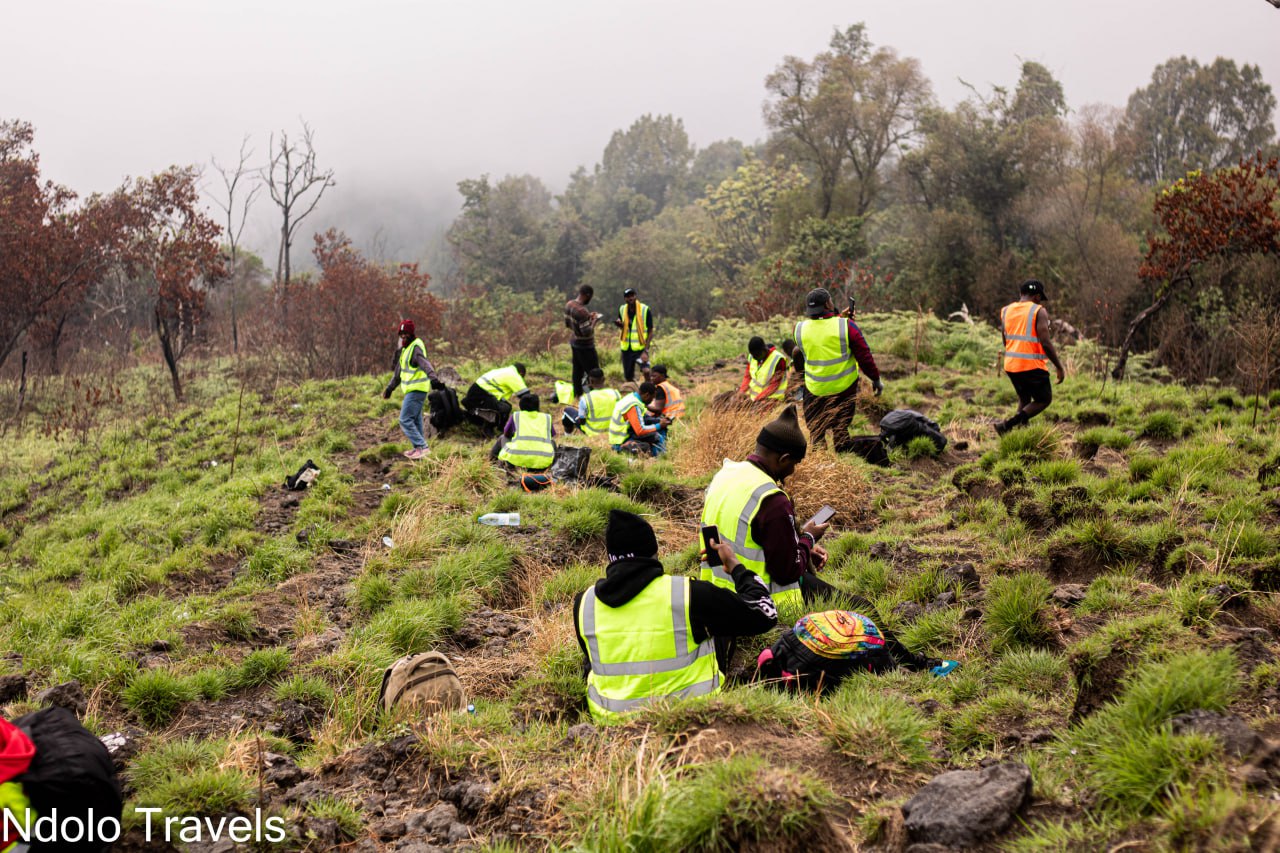
There’s a moment, the night before the hike, when your backpack lies open on the floor, and you’re staring at it wondering if you’ve packed enough—or too much. That moment matters more than people think. Because what you carry on Mount Cameroon doesn’t just affect your comfort; it affects your pace, your safety, your mood, and even your chances of reaching the summit. The mountain has a way of reminding you that every extra item is weight you must earn with sweat.
This guide isn’t just a random list of items. It’s a practical, experience-based breakdown of what you actually need for the Mount Cameroon climb, and what you can confidently leave behind. Whether you’re joining a guided trip with Ndolo Travels or attempting it independently, packing right can make all the difference between an exhausting struggle and an unforgettable adventure.
Understanding Mount Cameroon’s Demands
Before we get into the items, it’s important to understand why packing for Mount Cameroon is unlike packing for a regular weekend trip. The mountain rises from sea level to over 4,000 meters, which means you’ll experience different climates in a single climb. You’ll start in warm, humid rainforest, move into cooler grasslands, and end up in near-freezing alpine conditions.
It’s like hiking through four seasons in one trip. That’s why the key is layering—having clothes you can add or remove depending on the temperature and terrain. The second key is balance—carrying enough to be safe but light enough to move comfortably. A heavy bag can turn a beautiful hike into misery, while a too-light one can leave you unprepared for sudden weather shifts.
So, how do you strike that balance? Let’s unpack it step by step.
1. Clothing: Dress for the Climb, Not the Town
Think of clothing on Mount Cameroon as your armor. It protects you from sun, rain, cold, and wind. But the trick is to pack smart—lightweight, moisture-wicking layers that dry fast and adapt easily.
Start with a good base layer, like a dry-fit shirt and breathable hiking pants. These will wick away sweat and keep you comfortable as you move through the humid lower sections. Cotton might feel comfortable before the hike, but it’s your enemy on the trail—it holds moisture and gets cold fast once you stop moving.
Next, carry a mid-layer for warmth. A fleece jacket works perfectly here. It’s light but insulates well, especially once you move above Hut 2 where temperatures drop sharply. On top of that, pack a waterproof and windproof jacket. The mountain’s weather can shift in minutes—one moment the sky is clear, and the next you’re in cold rain or mist.
For your lower body, pack one or two pairs of quick-dry hiking trousers and one pair of thermal leggings if you plan to camp at the summit or stay overnight. Avoid jeans or anything heavy.
You’ll also need a warm hat or beanie, gloves, and a neck warmer or buff for summit night—it gets freezing up there, with winds that can bite through your clothes. And finally, bring a sun hat or cap for the lower sections, where the heat can be brutal, especially if you start your climb late in the morning.
2. Footwear: The Foundation of Every Step
If there’s one item you should never compromise on, it’s your shoes. The Mount Cameroon trail is a mix of mud, rock, ash, and grass. You’ll be climbing over roots, walking through slippery patches, and crossing volcanic gravel that can chew up weak soles.
The best choice is sturdy, waterproof hiking boots with good ankle support. Break them in before the climb—new boots can cause blisters halfway up, and there’s nothing worse than limping to the summit.
Bring two to three pairs of hiking socks, preferably made of wool or synthetic blend, not cotton. These help prevent blisters and keep your feet dry. Pack an extra pair for summit night in case your first set gets wet.
And for evenings at the huts, bring lightweight slippers or sandals to give your feet a break.
3. Backpack: Your Portable Home
Choose a 40–50L backpack that’s comfortable, fits snugly, and distributes weight evenly. This will be your main companion throughout the hike. If you have porters (which we recommend), you can use a smaller daypack for essentials like water, snacks, and your camera while they carry the rest.
Inside your backpack, use dry bags or plastic liners to protect your clothes and gear from rain. It’s a small detail that can save you from misery when a sudden downpour hits.
Pack heavier items near your back and at the center for better balance, and keep frequently used items—like your rain jacket or snacks—at the top or side pockets for easy access.
4. Sleeping Gear: Comfort in the Cold
If you’re climbing with Ndolo Travels, we usually provide or arrange sleeping gear depending on your package. But if you’re packing independently, bring a lightweight sleeping bag rated for at least 0°C (32°F). Nights at Hut 2 and the summit can get very cold.
You may also want a sleeping mat or inflatable pad for insulation, especially if you’re camping near Hut 3 or at the summit. Most huts have basic sleeping arrangements, but it’s best not to rely entirely on them, especially during busy seasons.
5. Food and Hydration: Fueling the Journey
The energy you bring to this climb comes from what you eat and drink. Most guided hikes, including Ndolo Travels expeditions, provide meals throughout the trip. But if you’re going independently, plan your meals carefully.
Pack lightweight, high-energy foods like nuts, energy bars, dried fruits, biscuits, and instant noodles. Avoid heavy tins or bulky food that adds unnecessary weight.
Water is another key consideration. While streams and water points exist along the lower parts of the trail, it’s best to carry your own refillable bottles or hydration bladder (at least 2 liters capacity). A water purification tablet or filter is also useful in case you need to refill along the way.
Remember, dehydration is one of the main reasons hikers struggle with altitude. So sip constantly, even if you don’t feel thirsty.
6. Personal Items and Toiletries
Keep it minimal but thoughtful. Bring toothbrush, toothpaste, biodegradable soap or wipes, a small towel, and tissue paper. Toilet facilities are basic, especially beyond Hut 2, so carrying your own hygiene essentials is a must.
Include sunscreen, lip balm, and insect repellent. The sun at higher altitudes is harsh, and mosquitoes at lower levels are relentless. A small first-aid kit with painkillers, blister plasters, bandages, and any personal medication should also go with you.
You’ll also want a headlamp or flashlight with extra batteries. This is essential for summit night or any early-morning hikes.
7. Electronics and Extras
Many people forget how quickly batteries die in cold weather. So, if you’re planning to take photos or videos, pack a power bank or two. Bring your phone, camera, or GoPro, but avoid overloading yourself with gadgets—you’re here for the experience, not a tech show.
A pair of sunglasses will help protect your eyes from the glare when you reach the upper slopes, especially where volcanic ash reflects sunlight.
You may also want a trekking pole or two. They reduce strain on your knees during the descent, which is often tougher than the climb.
8. What You Should Leave Behind
Many first-time hikers make the mistake of packing for comfort, not practicality. They carry too many clothes, heavy food items, or unnecessary gadgets. But remember, every gram counts.
Leave behind jeans, perfume, excessive snacks, books, or laptops. You won’t need them on the trail. The mountain strips away excess—it’s about simplicity, not luxury.
Also avoid tight clothing or anything that restricts movement. Comfort and functionality should always come first.
9. Packing Tips for Success
If you want your packing to feel effortless, follow a few key habits from experienced hikers.
Before you start, lay out everything you plan to bring. Then remove one-third of it. You’ll be surprised how much lighter your bag feels—and how little you’ll miss those items.
Distribute weight evenly, and keep your rain cover at the top of your bag for quick access. Pack your sleeping bag and clothes in waterproof liners, even if your backpack is water-resistant.
And always, always double-check your gear the night before. Once you start climbing, there’s no turning back to fetch what you forgot.
10. The Magic of Traveling Light
The beauty of Mount Cameroon isn’t just in its forests, views, or wildlife—it’s in how it teaches you to travel light, both physically and mentally. Every unnecessary thing you carry becomes a burden that slows you down. Every smart decision makes you stronger and freer to enjoy the journey.
So pack with intention. Bring what helps you survive, stay safe, and experience the moment fully. Leave everything else behind.
When you reach the summit and look down at the world below, you’ll realize something powerful: you didn’t just climb a mountain—you learned what truly matters.

Leave a Reply