
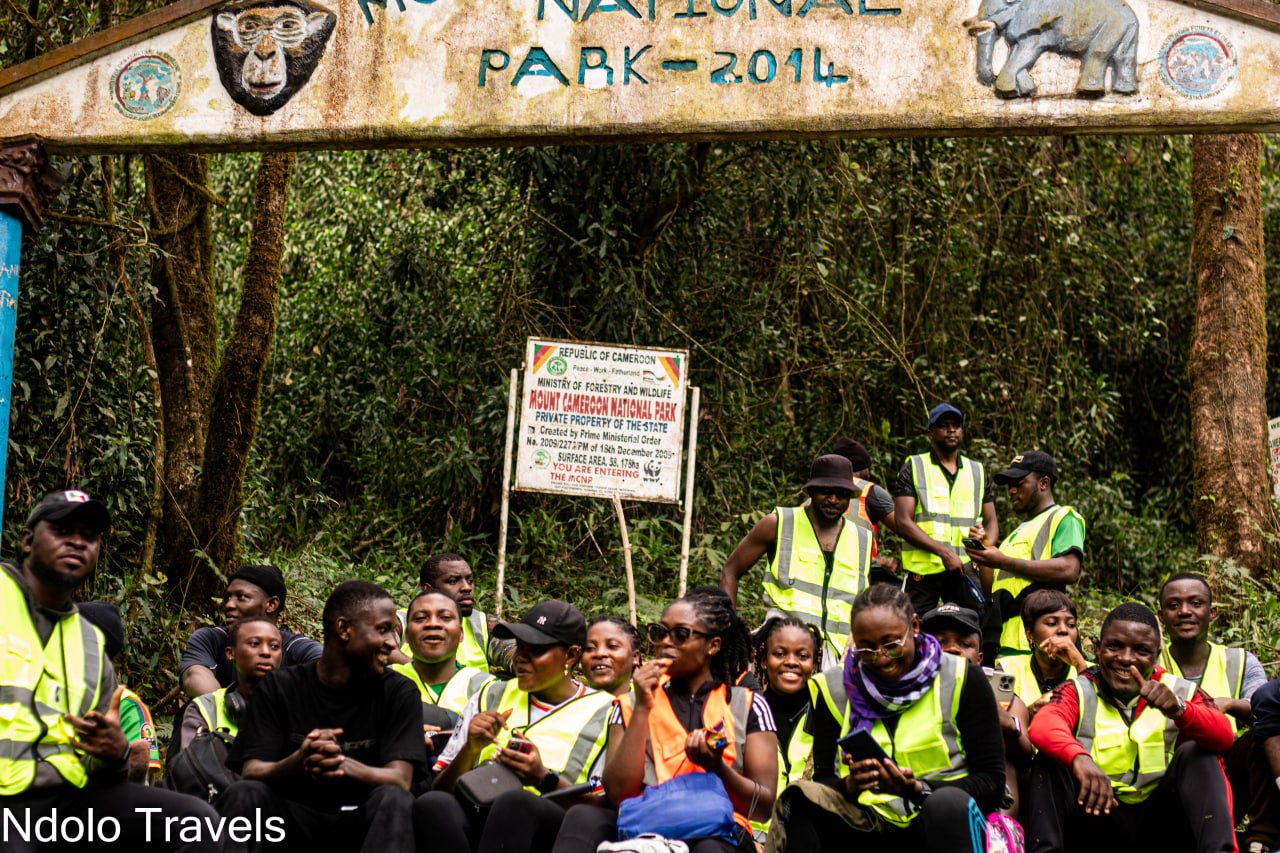
If you’ve ever looked up at Mount Cameroon and dreamed of climbing it, you’ve probably heard about the famous huts — Hut 1, Hut 2, and the mysterious “Intermediate Hut.” Everyone mentions them, but few really explain what they are. Are they actual huts with beds and doors? Do you sleep there? Is there light? Are there toilets?
Let’s talk about it honestly. As someone who’s been guiding hikers up Mount Fako for years, I can tell you this: the huts are more than just shelters — they are markers in your journey. Each one has its own story, its own rhythm, and its own challenges. By the time you’ve seen all three, you’ll know the mountain more intimately than you thought possible.
The Purpose of the Huts — Why They Exist
Mount Cameroon is not just a mountain; it’s a 4,095-meter volcano that rises straight from the coast. That kind of climb is tough, and the terrain changes fast — from farmland to rainforest, from dry savannah to cold, windy summit. You can’t do it all at once without safe places to stop.
That’s where the huts come in. They break the mountain into stages. They give you a place to rest, refill, and regroup before pushing higher. They also serve as emergency shelters when the weather turns — because on Mount Fako, it can shift from sunshine to storm in under an hour.
There are three key hut zones on the main Guinness Trail:
-
Hut 1: The first checkpoint, about 1,800–2,000 meters high.
-
Hut 2: The main overnight lodge, around 2,800 meters.
-
Hut 3: A small, basic rest stop between Hut 2 and the summit, around 3,800 meters.
Let’s go through them one by one — what they’re really like, how to use them, and what to expect at each.
HUT 1 — The Welcome Gate of the Mountain
Where it is
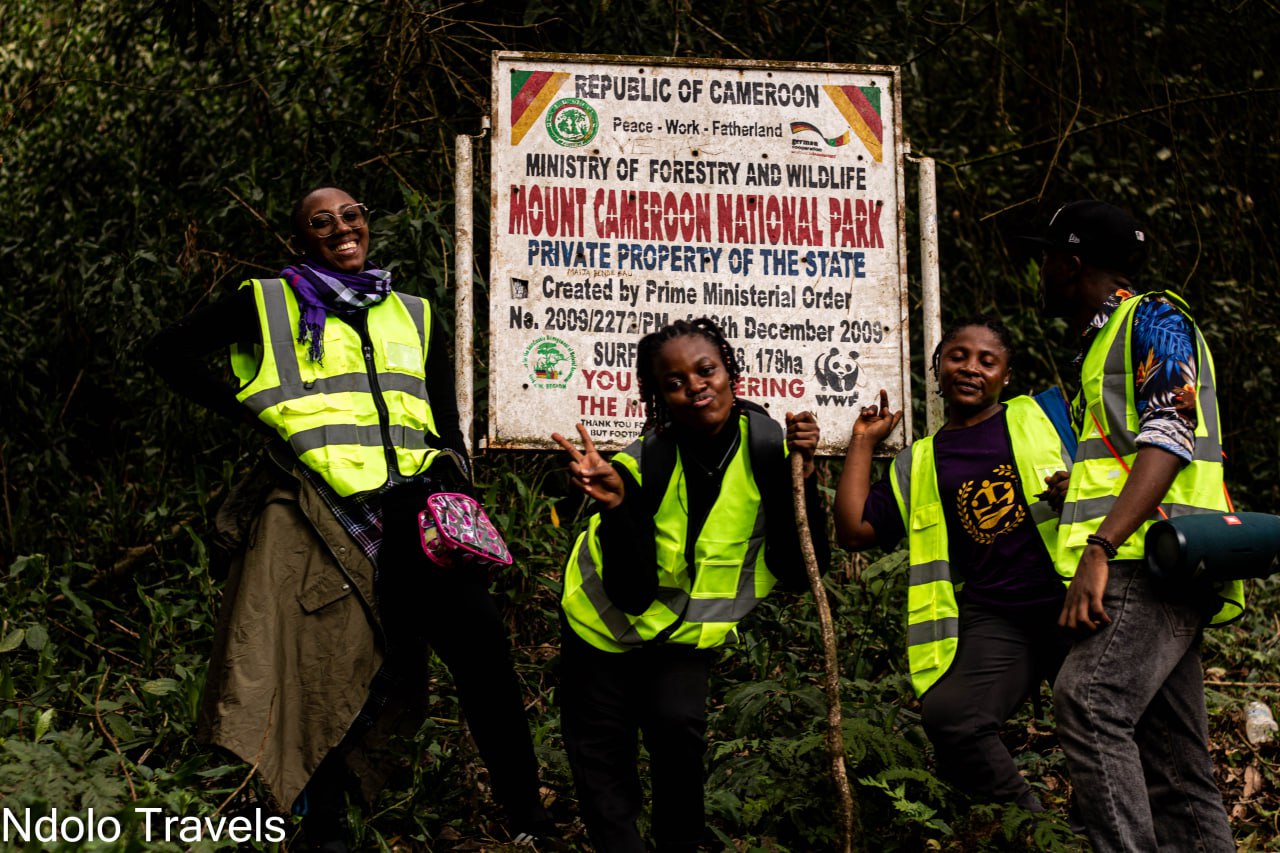
Hut 1 is the first official checkpoint inside the Mount Cameroon National Park. It sits just after the forest thickens, roughly an hour or so from the Upper Farms trailhead. The altitude here is between 1,800 and 2,000 meters depending on your GPS reading.
When you reach it, you’ll know — there’s usually a ranger on duty, a logbook, and a small structure surrounded by grass, trees, and the sound of birds.
What it’s like
Hut 1 is not a sleeping hut. Think of it more as a ranger post and resting station. It’s a small, weathered building — part cement, part wood, sometimes patched from the rains. Inside, there might be benches or planks to sit on, but no mattresses or real beds.
Most hikers stop here for a short break, sign the park register, refill water, and continue. You’ll often find local porters adjusting loads here, guides chatting, and groups taking photos before heading into the thicker forest. It’s the mountain’s front door.
Facilities
There’s no real toilet here — just nearby bushes or natural spots that everyone uses respectfully. Water is available from nearby sources (usually streams), but always carry purification tablets or boil it later. There’s no electricity, no cooking stove, and no permanent accommodation.
But there’s something warm about this place — it’s often full of laughter. First-time climbers look nervous, but the rangers crack jokes. Guides check the sky for clouds. It’s a reminder that the mountain is alive with people who know it deeply.
How long to stay
Spend about 10–15 minutes here — enough to stretch, eat a snack, and get your ranger clearance. The real climb begins after this point.
The Trail Between Hut 1 and Hut 2 — Into the Heart of the Mountain
After you leave Hut 1, the real climb begins. The path ahead grows steeper, the forest thicker, and the air colder. This is where the mountain starts testing your resolve. The cheerful energy you began with slowly turns into quiet focus as each step demands more from your legs and lungs. The sound of distant towns fades, replaced by the soft whisper of wind through giant trees and the rhythmic crunch of your boots on damp soil.
This stretch — the trail between Hut 1 and Hut 2 — is where Mount Cameroon begins to show its personality. The rainforest closes in like a cathedral of green. Mist hangs in the air, curling around tree trunks and slipping between bamboo clusters that sway gently in the wind. The ground is often damp, covered with tangled roots and slippery rocks, and at times, you’ll find yourself grabbing branches for balance as you climb. It’s slow, deliberate movement — one that demands patience and endurance.
About halfway through this section lies Hut 1B, often called the intermediary hut. It’s a simple rest stop built to give hikers a moment to breathe, sip water, and gather strength before pushing upward. There are no beds here, just benches and open space, but after the forest’s relentless climb, it feels like a blessing. Guides usually pause here for 20–30 minutes, letting hikers stretch, snack, and rehydrate. It’s also the point where the air starts to thin slightly and the landscape begins to change — the thick forest canopy gives way to more open patches, signaling your gradual transition toward the savannah.
This is also where you’ll start feeling the emotional weight of the mountain. Many hikers say this section humbles them. You realize that reaching the top isn’t just about strong legs — it’s about rhythm, balance, and respect. You can’t rush it. You climb at the mountain’s pace.
From Hut 1B, it usually takes another 2 to 3 hours to reach Hut 2, depending on your fitness and how often you stop. The mist starts to lift as you move higher, revealing glimpses of the sky through thinner tree lines. Sometimes, if you’re lucky, you’ll hear the chirp of bishop birds in the distance — small, rare species unique to this region. The males are striking with their long tail feathers, while the females are slightly larger and more reserved. Spotting one feels like a small reward for your effort, a gentle reminder of how alive this mountain is.
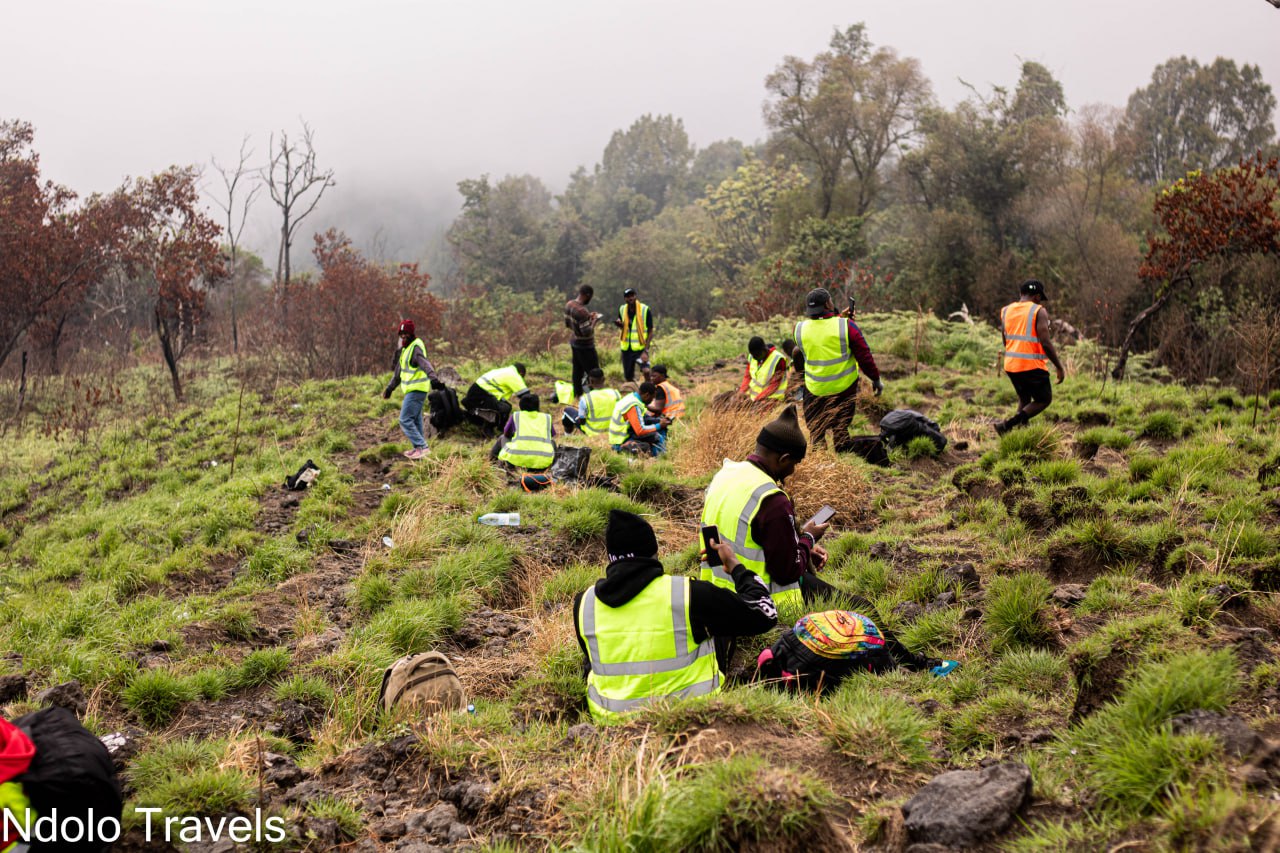
As you climb, the terrain shifts again. The forest begins to open into grassland. Shrubs replace trees, and the ground becomes rockier and more exposed. The temperature drops, and the wind starts to pick up. It’s a powerful moment — one where you can look back and see how far you’ve come. Below, the vast stretch of rainforest lies like a green ocean, and if the skies are clear, you can even catch a faint shimmer of Limbe and the Atlantic coast glistening in the distance.
When you finally spot the outline of Hut 2, a wave of relief washes over you. It sits quietly on the open plateau — a comforting sight after hours of steady climbing. Hut 2 isn’t just another rest stop; it’s a proper ecological lodge. Here, hikers can eat, rest, and recharge before attempting the final push toward Hut 3 and the summit.
Food at Hut 2 starts at around 3,000 CFA for breakfast — think bread, eggs, or tea — and can go up to 20,000 CFA for larger meals or special dishes. Drinks, both soft and energy-boosting, are available, along with warm showers and clean water. Sleeping options range from basic rooms at 5,000 CFA to private cabins that go up to 70,000 CFA, offering a cozy break from the cold, wind, and fatigue.
Most hikers spend the night here, gathering energy for the summit climb that begins early the next morning. Others continue straight to Hut 3 if they’re on a faster schedule, but resting at Hut 2 is highly recommended — not just for recovery, but for the experience itself. As night falls, the view from Hut 2 is breathtaking. You can see the flickering lights of Buea below, the coastline glowing faintly under the moonlight, and above you, the silhouette of the summit waiting for dawn.
This is the heart of Mount Cameroon — the moment you feel small but deeply connected to something greater. Between Hut 1 and Hut 2, the mountain strips away the noise of daily life and invites you into its rhythm. Every breath, every pause, every aching step feels meaningful. You start to understand that the climb isn’t just about reaching the top — it’s about becoming part of the story the mountain has been telling for centuries.
HUT 2 — The Beating Heart of the Climb
Where it is
Hut 2 sits around 2,800 meters above sea level, just at the transition zone between forest and alpine grassland. This is where most hikers sleep before the summit push.
Whether you’re doing a 2-day or 3-day itinerary, Hut 2 is your main base. On a 2-day climb, you’ll arrive here in the afternoon, rest, and start your summit hike around 2–3 a.m. On a 3-day climb, you might spend one full night here and push up the next morning.
What it’s like
Hut 2 is where the mountain starts feeling wild. The air is thin, cold, and sometimes filled with fog. The hut complex consists of a few simple buildings — mostly stone or cement structures with metal roofs. They’re not luxury cabins. They’re survival shelters, and that’s exactly how they were built.
Inside, you’ll find shared rooms with bunk beds or wooden platforms. Don’t expect mattresses — most are bare wood or thin foam sheets. Bring your own sleeping bag and pillow if you can.
The rooms are communal — you’ll be sleeping beside other hikers, guides, or porters. In busy seasons (like during the annual Mount Cameroon Race of Hope), every corner of Hut 2 gets filled with people.
But it’s part of the charm. At night, everyone sits around cooking fires or small stoves outside, sharing stories, heating tea, and laughing under the stars. You’ll hear languages mixing — English, French, Bakweri, and more. There’s something deeply human about it.
Facilities
Hut 2 has more facilities than any other point on the mountain.
-
Toilets: There are basic pit latrines — not fancy, but functional. Bring tissue and sanitizer.
-
Water: There are water drums filled from nearby sources, but you must treat or boil before drinking. Some seasons they run low, so always carry extra.
-
Cooking area: Most groups cook outdoors using camping stoves or firewood. Guides usually handle this.
-
Shelter: Multiple small rooms; usually one main communal hall and smaller rooms off the sides.
-
Sleeping: Shared wooden bunks or planks. Bring a sleeping mat and sleeping bag.
The vibe
If you love adventure, you’ll love Hut 2. It feels like a small mountain village in the clouds. When night falls, the stars look impossibly close. Sometimes, if the clouds clear, you can see the lights of Buea and Limbe below.
But the weather changes fast. Rain can pound the roof without warning, or wind can shake the metal sheets. Inside, you’ll wrap yourself in your sleeping bag, listening to the sounds of the mountain. It’s raw, it’s real — it’s what people mean when they say Mount Cameroon changes you.
Tips for Hut 2
-
Bring earplugs — the wind can be loud, and communal rooms mean snoring neighbors.
-
Carry extra water purification tablets.
-
Rent a mattress or bring a mat. Some operators have thin foam mats available.
-
Use a headlamp. There’s no electricity.
-
Pack light snacks. Food at Hut 2 (when available) is simple — rice, pasta, or soup cooked by your guide or a local cook.
Hut 2 is where you rest your body and test your will. Many people wake up here at 2 a.m., shivering but excited, staring up at the dark outline of the summit waiting above.
HUT 3 — The Silent One Near the Summit
Where it is
About 3 hours’ hike from Hut 2, there’s a smaller structure known as Hut 3 or the Intermediate Hut. It sits around 3,800 meters high, just below the summit zone.
You reach it after crossing steep volcanic slopes covered with black ash and loose stones. The air here is thin, and every step feels like ten. By this point, the trees are gone; it’s pure volcanic desert — silent, vast, and humbling.
What it’s like
Hut 3 is not much of a hut — more like a stone shelter. It’s smaller, colder, and rougher than the others. Some hikers only use it for a rest break on the way up or down. Others might stop here briefly if the weather gets bad or if someone needs a quick nap before the final push.
Inside, expect bare stone walls, no beds, no lighting, and a floor covered in dust and ash. It’s purely functional — a refuge from the wind.
When you sit inside Hut 3, you’ll feel the mountain’s silence pressing on you. The wind outside sounds like the ocean. Every breath feels like an achievement.
For many, this is the point where fatigue sets in hard — your legs ache, your lungs burn, and you start wondering why you ever thought climbing a volcano was a good idea. But then, you step out, look up, and see the summit not far above. That sight pulls you forward.
Facilities
None, really. There’s no water, no toilet, no caretaker. It’s a simple emergency refuge. Bring everything you need with you — especially water, snacks, and warm clothing.
Who uses it
Guides sometimes use Hut 3 to regroup climbers, check altitude symptoms, or wait for better weather. On descent, it’s also a rest stop before heading back to Hut 2 for food and sleep.
The Descent and Huts on the Way Down
Most hikers descend from the summit back to Hut 2 to eat, rest, or even sleep again before going all the way down to Buea. It’s smart to take it easy — descending 4,000 meters in one go can be brutal on the knees.
If you used the Guinness Trail (the classic route), you’ll pass the same huts on the way down. If you’re doing the Guinness–Mann’s Spring circular route, you’ll see other smaller huts built for researchers or porters along the different path, but the main experience is the same.
When you finally reach Hut 1 again, sweaty, dusty, and tired, the ranger will smile and say, “Welcome back.” That moment feels like finishing a story you’ll never forget.
Huts and Local Life — Why They Matter to the Community
Each hut is cared for, in part, by the local communities who live around the park — especially people from the Bakweri villages. The entrance fees and hut maintenance charges help pay for rangers, repairs, and patrols that protect wildlife.
So when you pay your park fee (1,500 XAF for Cameroonians, 10,000 XAF for foreigners) or a little extra to sleep at Hut 2, you’re not just buying a bed. You’re contributing to the people who keep this mountain safe and open.
Things You Should Bring for the Huts
If you’re planning to use the huts, don’t rely on them for comfort — prepare for simplicity. Pack these essentials:
-
Sleeping bag and mat
-
Headlamp or flashlight (no electricity)
-
Warm layers (the temperature can drop below 5°C at night)
-
Power bank for devices
-
Water purification tablets or filter
-
Toilet paper and sanitizer
-
Snacks and simple meals
-
Plastic bag for your trash (carry it down)
Trust me — you’ll be grateful you brought these. The mountain rewards those who plan well.
The Emotional Side of the Huts
When you think back on your Mount Cameroon climb months later, it won’t be just the summit that you remember. You’ll remember Hut 2 — the sound of rain hitting the metal roof, the laughter of porters cooking rice, the sight of stars when you stepped outside to use the toilet at 3 a.m. You’ll remember Hut 1 — the nervous smiles before the forest swallowed you. And maybe you’ll remember Hut 3 — the place where you almost gave up but didn’t.
Each hut holds a chapter of your story.
That’s the magic of Mount Fako. It’s not a luxury adventure — it’s real, raw, and unforgettable. The huts aren’t five-star hotels, but they are five-star memories. They remind you that comfort isn’t what makes a journey special. Connection does — with the mountain, with your guide, with yourself.
Final Thoughts — What the Huts Teach You
By the time you return to Buea, your shoes dusty and your body tired, you’ll realize the huts taught you more than you expected. Hut 1 teaches patience — the start is always harder than you think. Hut 2 teaches humility — you can’t control the mountain, only adapt to it. Hut 3 teaches courage — that the last steps are always the hardest but most rewarding.
The huts on Mount Cameroon are not just shelters; they are classrooms of endurance and gratitude.
So when someone asks you what they’re like, tell them this: They are simple, honest, and alive with stories. They are places where you feel small and strong at the same time. And if you ever sleep under that rattling roof at Hut 2 with the clouds below you and stars above you — you’ll understand why people keep coming back to this mountain again and again.

Leave a Reply