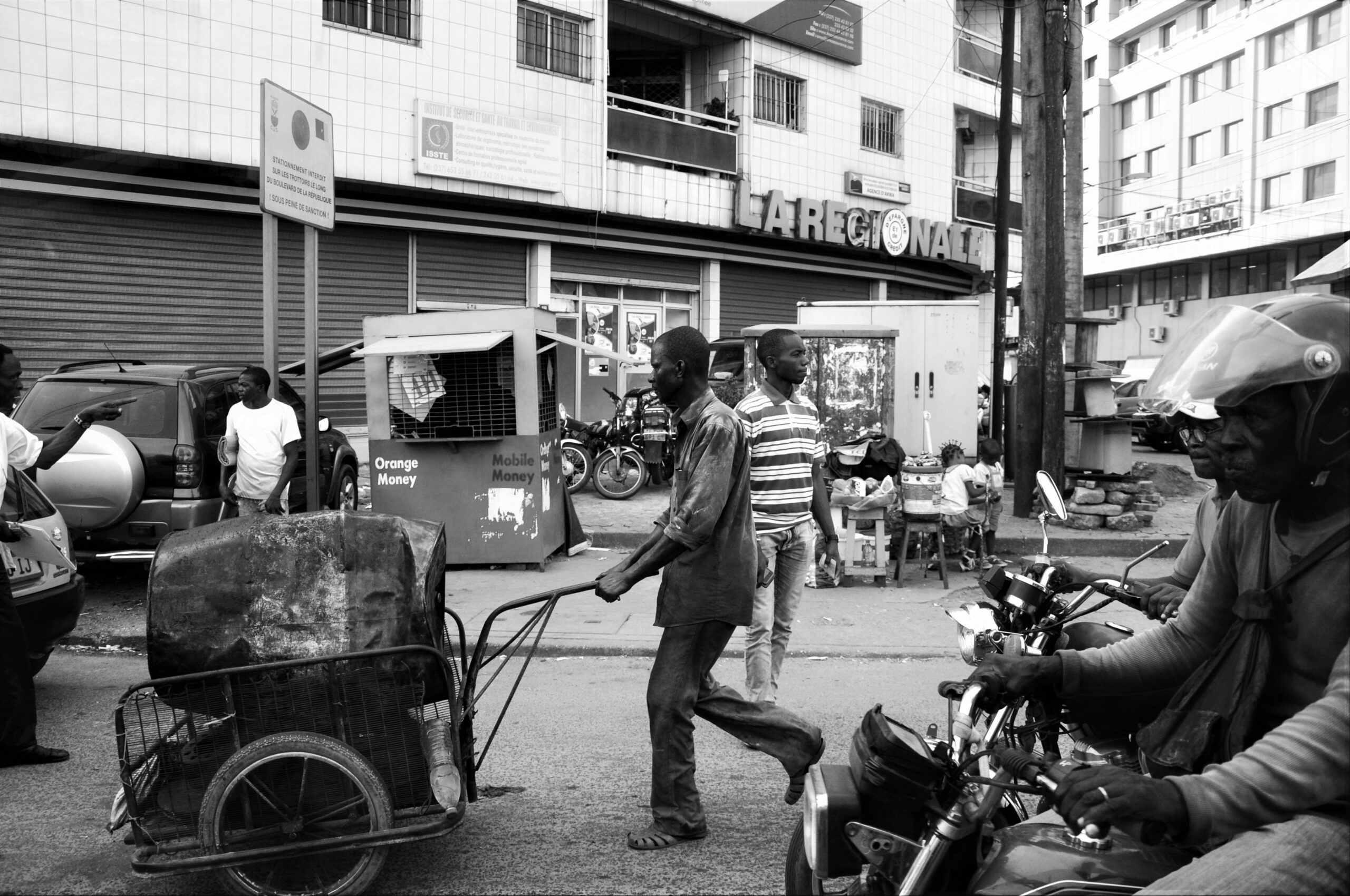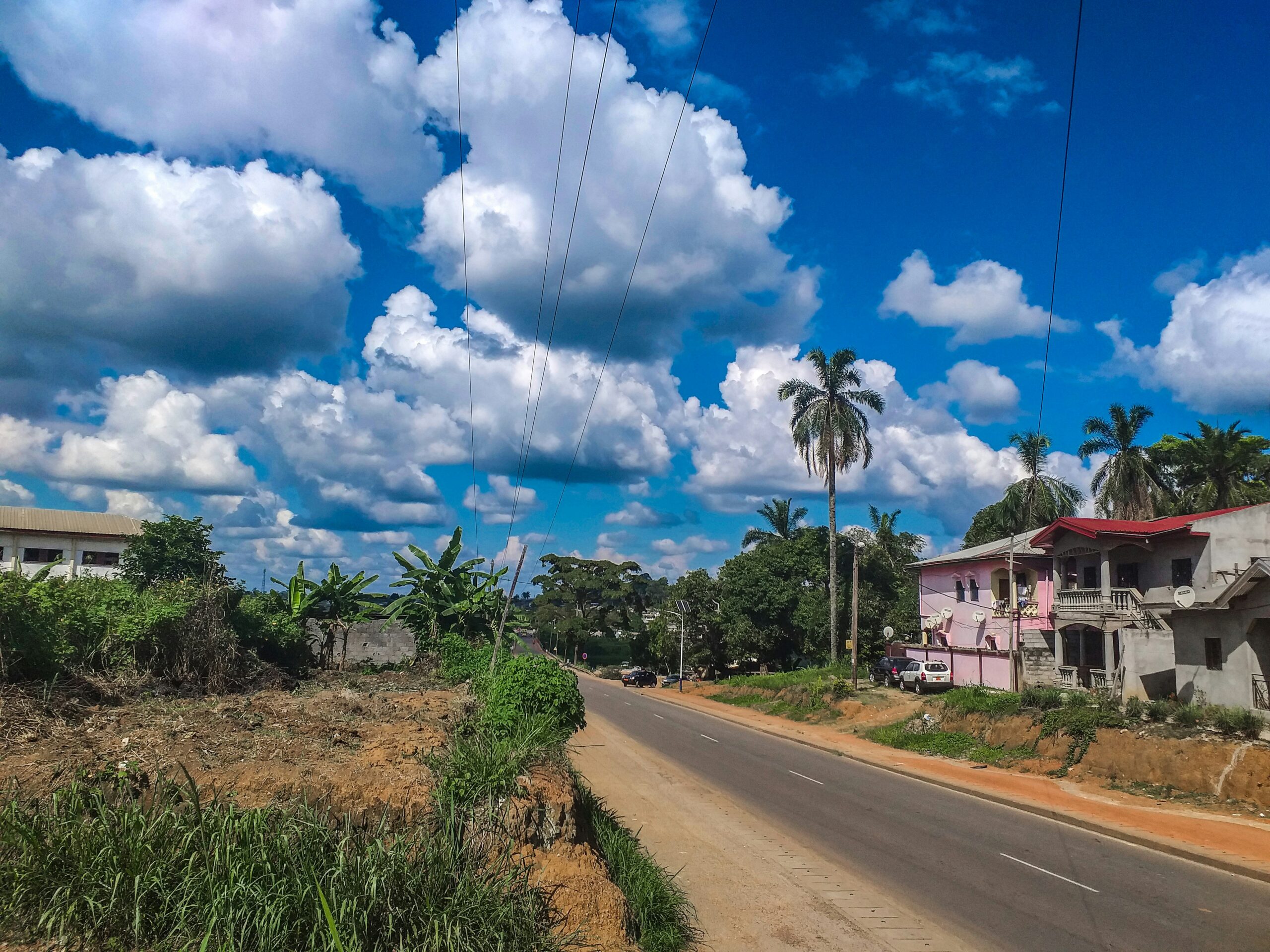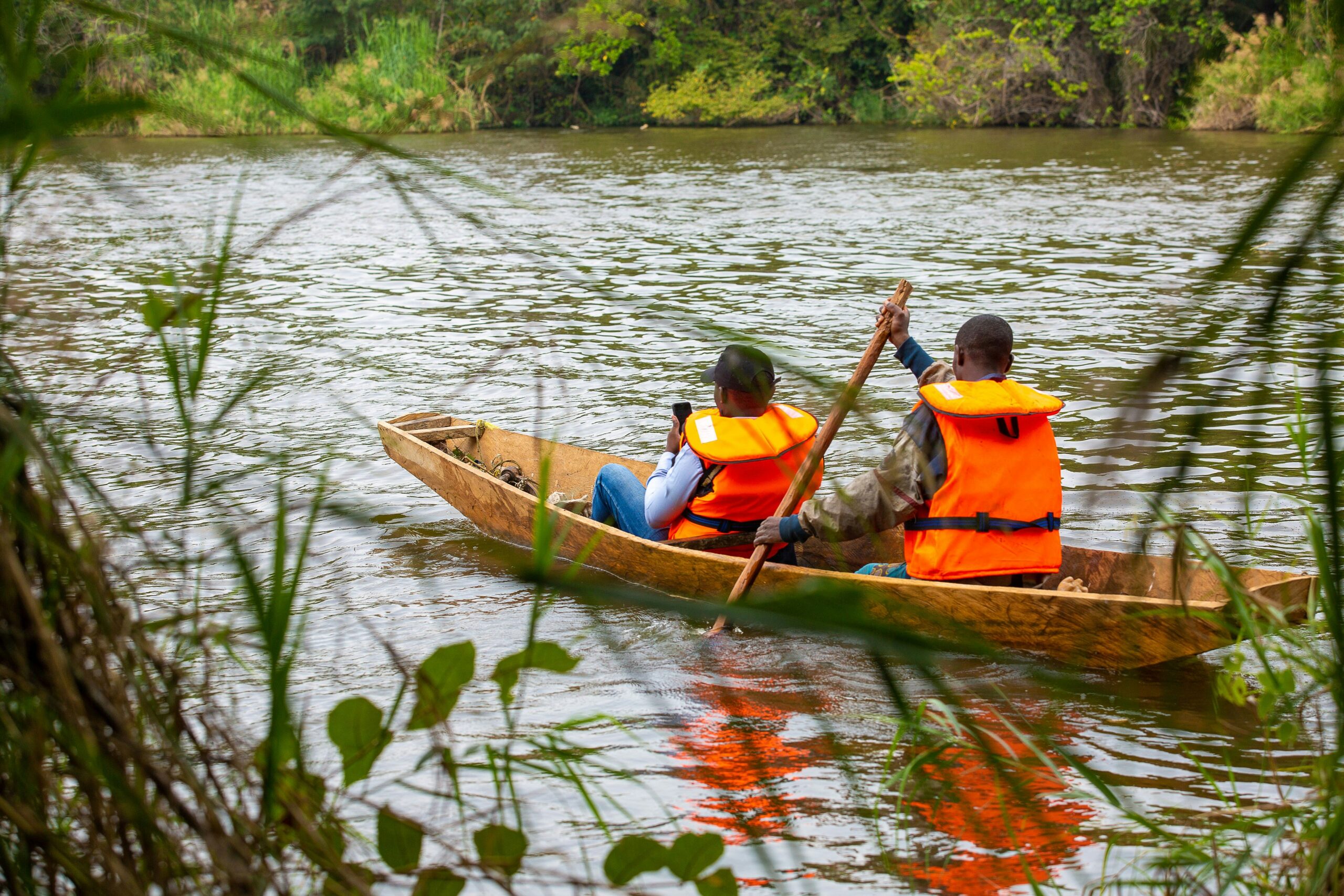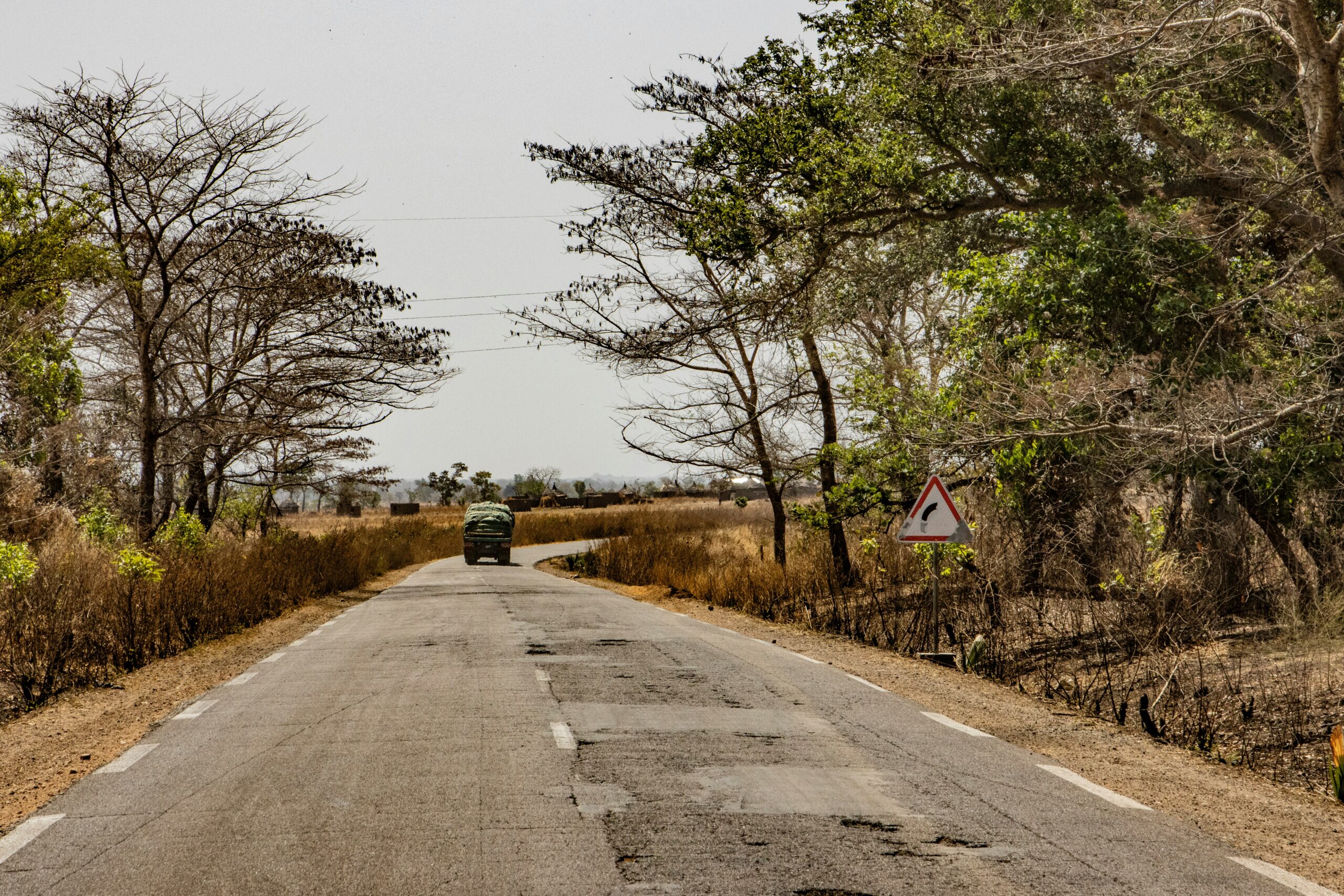
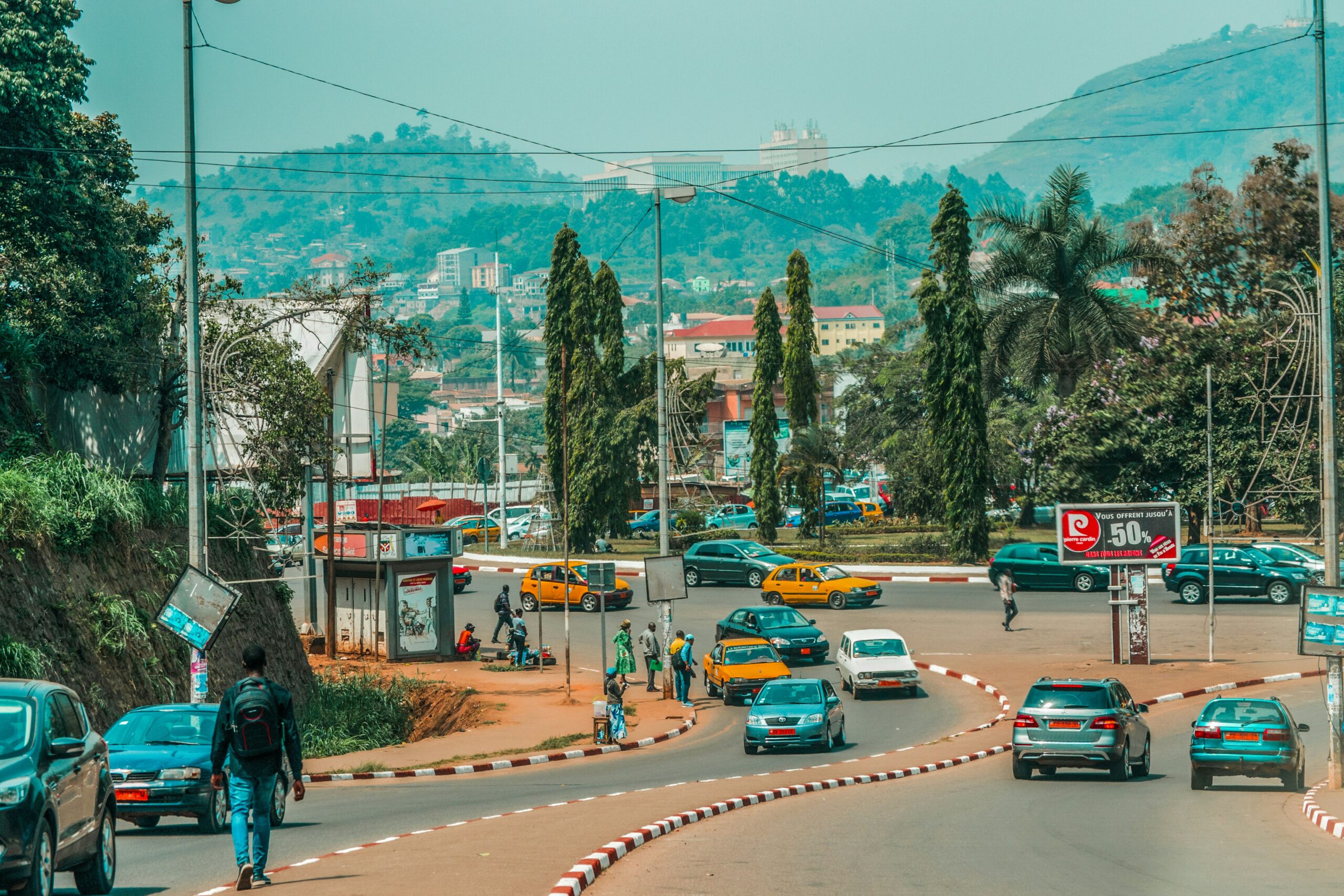
Cameroon, often referred to as “Africa in miniature,” is a country that boasts a rich tapestry of cultures, landscapes, and biodiversity. Nestled in Central Africa, it offers a unique blend of coastal beaches, lush rainforests, and arid savannas. As you embark on your journey to this vibrant nation, you will discover that Cameroon is home to over 250 ethnic groups, each contributing to the country’s diverse cultural heritage. From the bustling markets of Douala to the serene beauty of Mount Cameroon, the experiences awaiting you are as varied as the landscapes themselves.
The country’s geographical diversity is matched only by its climatic variations. You can find everything from tropical climates in the south to cooler temperatures in the mountainous regions. This variety not only influences the natural beauty of Cameroon but also shapes the lifestyles and traditions of its people. As you explore this fascinating country, you will encounter a warm and welcoming populace eager to share their stories and traditions with you. Whether you’re an adventure seeker, a culture enthusiast, or a nature lover, Cameroon promises an unforgettable experience.
Getting to Cameroon
Reaching Cameroon is relatively straightforward, with several international airports serving major cities like Douala and Yaoundé. Depending on your location, you may find direct flights or connections through other African or European cities. As you plan your journey, consider the various airlines that operate in the region, as they can offer competitive rates and convenient schedules. Once you arrive at one of the international airports, you will be greeted by the vibrant energy of Cameroonian life, setting the tone for your adventure ahead.
Upon landing, you will notice that the airport facilities are generally adequate, though not as modern as those in some Western countries. Be prepared for a bit of a wait at customs and immigration, especially during peak travel seasons. As you navigate through the airport, keep an eye out for local transportation options that can take you to your accommodation or your first destination within the country. Taxis and shuttle services are readily available, but it’s wise to confirm prices beforehand to avoid any misunderstandings.
Visa and Entry Requirements
Before embarking on your journey to Cameroon, it is essential to familiarize yourself with the visa and entry requirements. Depending on your nationality, you may need to obtain a visa prior to your arrival. Many travelers can apply for an e-visa online, which simplifies the process significantly. Ensure that your passport is valid for at least six months beyond your intended stay and has blank pages for entry stamps. It’s advisable to check the latest regulations on the official government website or consult with your local embassy for any updates.
In addition to a visa, you may also need to present proof of onward travel and sufficient funds for your stay. Some travelers may be required to show vaccination certificates for diseases such as yellow fever, so it’s wise to carry these documents with you. Being well-prepared will not only ease your entry into Cameroon but also enhance your overall travel experience.
Health and Safety Tips
Your health and safety should be a top priority while traveling in Cameroon. Before your trip, consult with a healthcare professional about recommended vaccinations and medications. Malaria is prevalent in many regions of Cameroon, so taking preventive measures such as antimalarial medication and using insect repellent is crucial. Additionally, ensure that you have travel insurance that covers medical emergencies; this will provide peace of mind as you explore the country.
While Cameroon is generally safe for tourists, it’s important to stay vigilant and be aware of your surroundings. Avoid displaying valuables in public and be cautious when using ATMs. It’s advisable to travel in groups or with a local guide when venturing into less populated areas. Familiarize yourself with local customs and laws to ensure a respectful and safe experience during your stay.
Currency and Money Matters
The currency used in Cameroon is the Central African CFA franc (XAF). As you prepare for your trip, it’s wise to familiarize yourself with the current exchange rates and consider exchanging some money before arriving. While major cities like Douala and Yaoundé have banks and currency exchange offices, rural areas may have limited access to these services. Therefore, carrying some cash for small purchases is advisable.
Credit cards are accepted in larger hotels and restaurants but may not be widely used elsewhere. It’s prudent to inform your bank of your travel plans to avoid any issues with card transactions while abroad. Additionally, keep an eye on your spending habits; budgeting wisely will allow you to enjoy all that Cameroon has to offer without financial stress.
Language and Communication
Cameroon is a linguistically diverse nation with over 250 languages spoken across its regions. The official languages are French and English, reflecting the country’s colonial history. As you navigate through different areas, you may encounter various local dialects that add richness to the cultural experience. While many urban residents speak English or French, learning a few basic phrases in local languages can enhance your interactions with locals and show respect for their culture.
Communication in Cameroon can vary depending on where you are. In urban centers, mobile phone coverage is generally good, allowing you to stay connected with friends and family back home. Consider purchasing a local SIM card upon arrival for affordable data and calling options. In more remote areas, however, connectivity may be limited, so plan accordingly if you need to stay in touch during your travels.
Transportation within Cameroon
Getting around Cameroon can be an adventure in itself, with various transportation options available depending on your destination. In major cities like Douala and Yaoundé, taxis are widely available and can be hailed on the street or booked through local apps. However, it’s essential to negotiate fares before starting your journey or ensure that the meter is running to avoid misunderstandings.
For longer distances between cities or rural areas, consider using intercity buses or shared taxis known as “bush taxis.” These modes of transport are often more affordable but can be less comfortable than private options. If you’re feeling adventurous, renting a car can provide flexibility in exploring remote regions; just be prepared for varying road conditions and driving styles.
Accommodation Options
Cameroon offers a range of accommodation options catering to different budgets and preferences. In urban centers, you’ll find everything from luxury hotels to budget-friendly guesthouses. Major cities like Douala and Yaoundé boast international hotel chains that provide modern amenities and services for travelers seeking comfort during their stay.
For a more authentic experience, consider staying in locally-owned lodges or homestays that allow you to immerse yourself in Cameroonian culture. These accommodations often provide meals made from local ingredients and offer insights into daily life in the region. Regardless of where you choose to stay, booking in advance during peak travel seasons is advisable to secure your preferred lodging.
Must-See Attractions in Cameroon
Cameroon is brimming with attractions that cater to various interests. One must-see destination is Mount Cameroon, an active volcano that offers hiking opportunities for adventure enthusiasts. The breathtaking views from its summit are well worth the effort, providing a unique perspective on the surrounding landscapes.
Another highlight is Waza National Park, renowned for its diverse wildlife including elephants, lions, and various bird species. A safari here can be an unforgettable experience as you witness these magnificent creatures in their natural habitat. Additionally, don’t miss out on exploring the vibrant markets of Douala or Yaoundé where you can find local crafts, textiles, and delicious street food that reflect the country’s rich culinary heritage.
Cultural Etiquette and Customs
Understanding cultural etiquette is essential for fostering positive interactions during your travels in Cameroon. Greetings are an important aspect of daily life; taking the time to greet people properly can go a long way in building rapport. A simple handshake accompanied by a smile is common among acquaintances; however, among close friends or family members, hugs or cheek kisses may be exchanged.
When visiting homes or attending events, it’s customary to bring a small gift as a token of appreciation. Additionally, dress modestly when visiting rural areas or religious sites; this shows respect for local customs and traditions. Being mindful of these cultural nuances will enhance your experience and help you connect more deeply with the people you meet along the way.
Packing Tips for Traveling to Cameroon
Packing wisely for your trip to Cameroon will ensure that you’re prepared for various climates and activities throughout your journey. Lightweight clothing made from breathable fabrics is ideal for hot weather; however, if you’re planning to hike Mount Cameroon or visit higher altitudes, pack warmer layers as temperatures can drop significantly at night.
Don’t forget essentials such as insect repellent, sunscreen, and a first-aid kit; these items will help keep you comfortable during your travels. A reusable water bottle is also recommended to stay hydrated while reducing plastic waste. Lastly, consider bringing a power adapter suitable for Cameroonian outlets; this will keep your devices charged as you document your adventures in this captivating country.
In conclusion, traveling to Cameroon offers an enriching experience filled with diverse cultures, stunning landscapes, and warm hospitality. By preparing adequately and embracing the local customs and traditions, you’ll create lasting memories that will inspire future adventures in this remarkable nation.