Cameroon, often referred to as “Africa in miniature,” is a country that boasts a rich tapestry of cultures, landscapes, and wildlife. Nestled in Central Africa, it offers a unique blend of French and English influences, stemming from its colonial history. As you explore this vibrant nation, you will encounter diverse ethnic groups, each with its own traditions and languages. From the bustling markets of Douala to the serene shores of Lake Nyos, Cameroon presents an array of experiences that cater to every type of traveler.
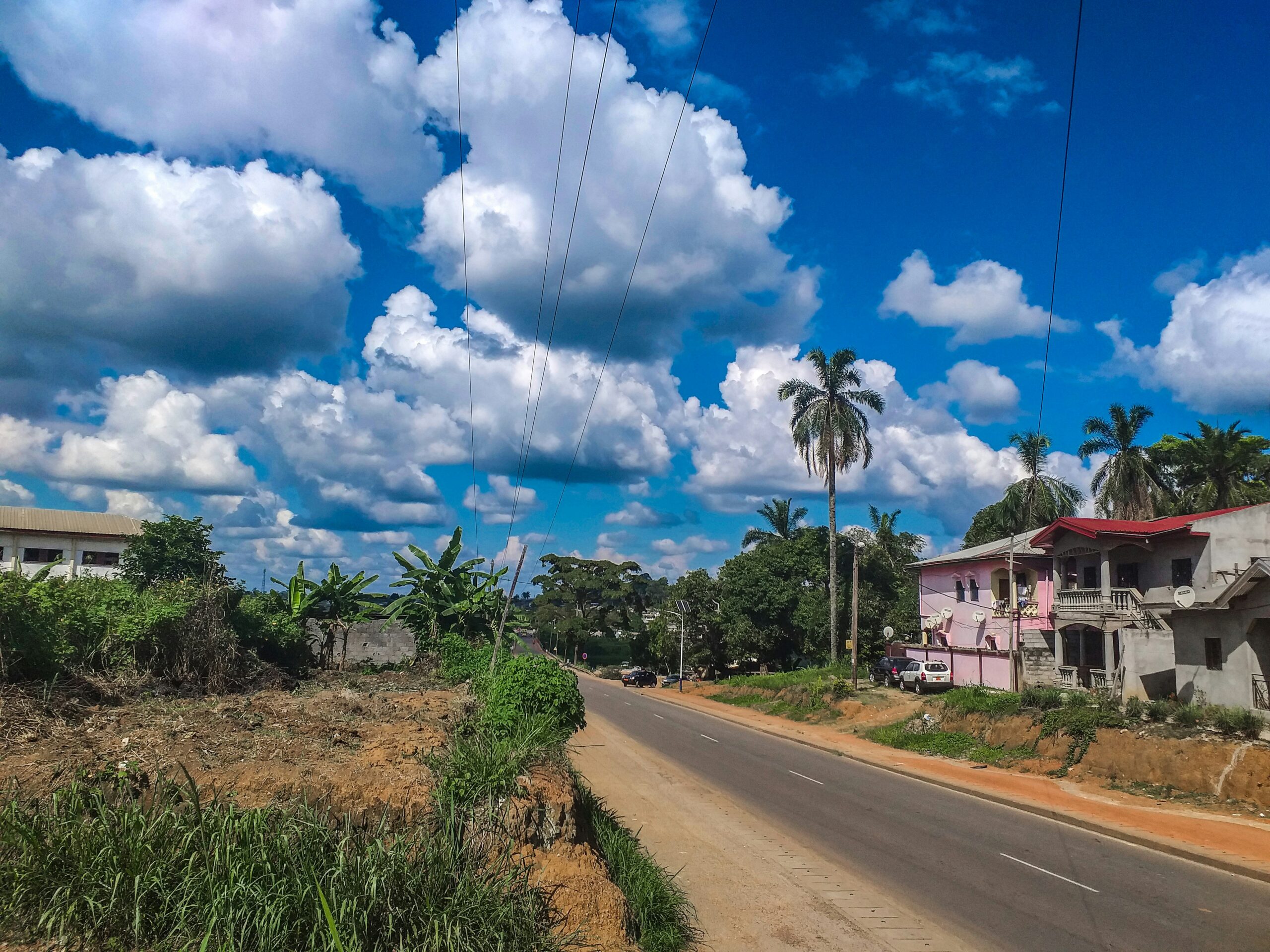
The country’s geographical diversity is equally impressive, featuring everything from coastal plains to mountainous regions and dense rainforests. This variety not only enhances the natural beauty of Cameroon but also provides a habitat for an astonishing range of flora and fauna. Whether you are an adventure seeker, a culture enthusiast, or a wildlife lover, Cameroon has something to offer you. As you embark on your journey through this captivating land, prepare to be enchanted by its landscapes, people, and stories.
Visa and Entry Requirements
Before you set off on your adventure to Cameroon, it is essential to familiarize yourself with the visa and entry requirements. Depending on your nationality, you may need to obtain a visa prior to your arrival. Many travelers can apply for a tourist visa at Cameroon’s embassies or consulates in their home countries. The process typically involves submitting a completed application form, a valid passport with at least six months of validity remaining, and a passport-sized photograph. Additionally, you may be required to provide proof of accommodation and a return flight ticket.
Upon arrival in Cameroon, you will need to present your visa and passport at immigration. It is advisable to keep copies of your important documents in case of loss or theft. Furthermore, ensure that you have received any necessary vaccinations before traveling, as some diseases are prevalent in the region. By preparing in advance and understanding the entry requirements, you can ensure a smooth transition into this fascinating country.
Best Time to Visit Cameroon
Choosing the right time to visit Cameroon can significantly enhance your travel experience. The country has a tropical climate characterized by two main seasons: the dry season and the rainy season. The dry season typically runs from November to February, making it an ideal time for outdoor activities and exploration. During these months, temperatures are generally more comfortable, and the likelihood of rain is minimal. This period is particularly popular among tourists who wish to hike Mount Cameroon or explore the national parks.
Conversely, the rainy season lasts from March to October, with peak rainfall occurring between June and August. While this season may deter some travelers due to the wet conditions, it also brings lush greenery and vibrant landscapes that are perfect for photography enthusiasts. If you are interested in birdwatching or witnessing the migration of certain wildlife species, visiting during the rainy season can be rewarding. Ultimately, the best time for you to visit will depend on your interests and the activities you wish to pursue.
Top Tourist Attractions in Cameroon
As you traverse Cameroon, you will discover an array of captivating tourist attractions that showcase the country’s natural beauty and cultural heritage. One must-visit destination is Mount Cameroon, an active volcano that stands as the highest peak in West Africa. Hiking to its summit offers breathtaking views and an exhilarating experience for adventure seekers. The surrounding national park is home to diverse wildlife, including rare species such as the drill monkey.
Another highlight is the Waza National Park, renowned for its rich biodiversity and stunning landscapes. Here, you can embark on a safari to spot elephants, lions, and various antelope species in their natural habitat. The park’s vast savannahs and wetlands provide an excellent opportunity for wildlife photography and birdwatching. Additionally, don’t miss out on visiting the vibrant city of Yaoundé, where you can immerse yourself in Cameroonian culture through its museums, art galleries, and lively markets.
Transportation in Cameroon
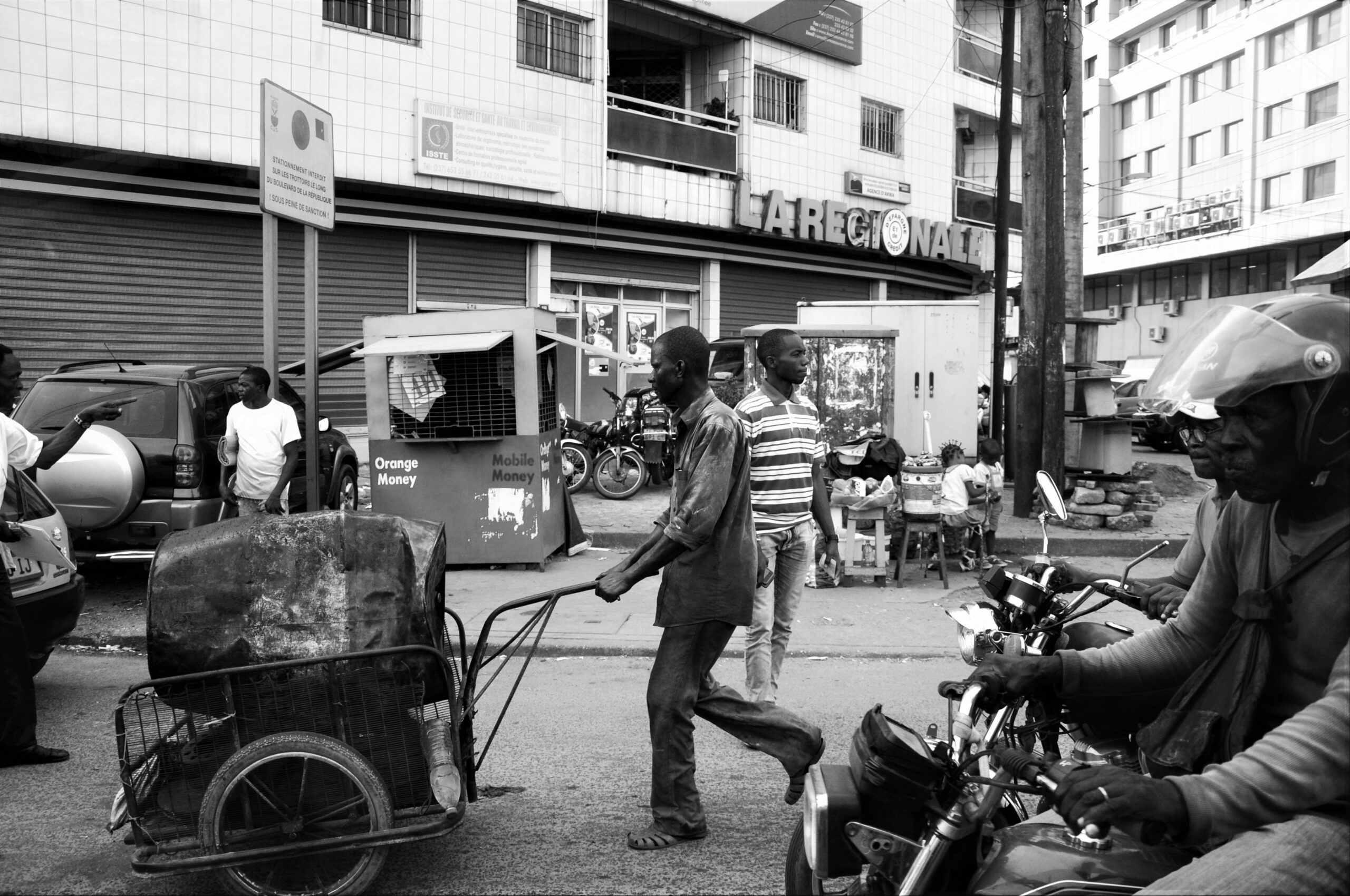
Navigating through Cameroon can be an adventure in itself, as the transportation options vary widely across the country. In urban areas like Douala and Yaoundé, you will find a mix of taxis, buses, and motorcycle taxis known as “benskin.” While taxis are convenient for short distances, motorcycle taxis can be a thrilling way to weave through traffic and reach your destination quickly. However, always negotiate fares before starting your journey to avoid misunderstandings.
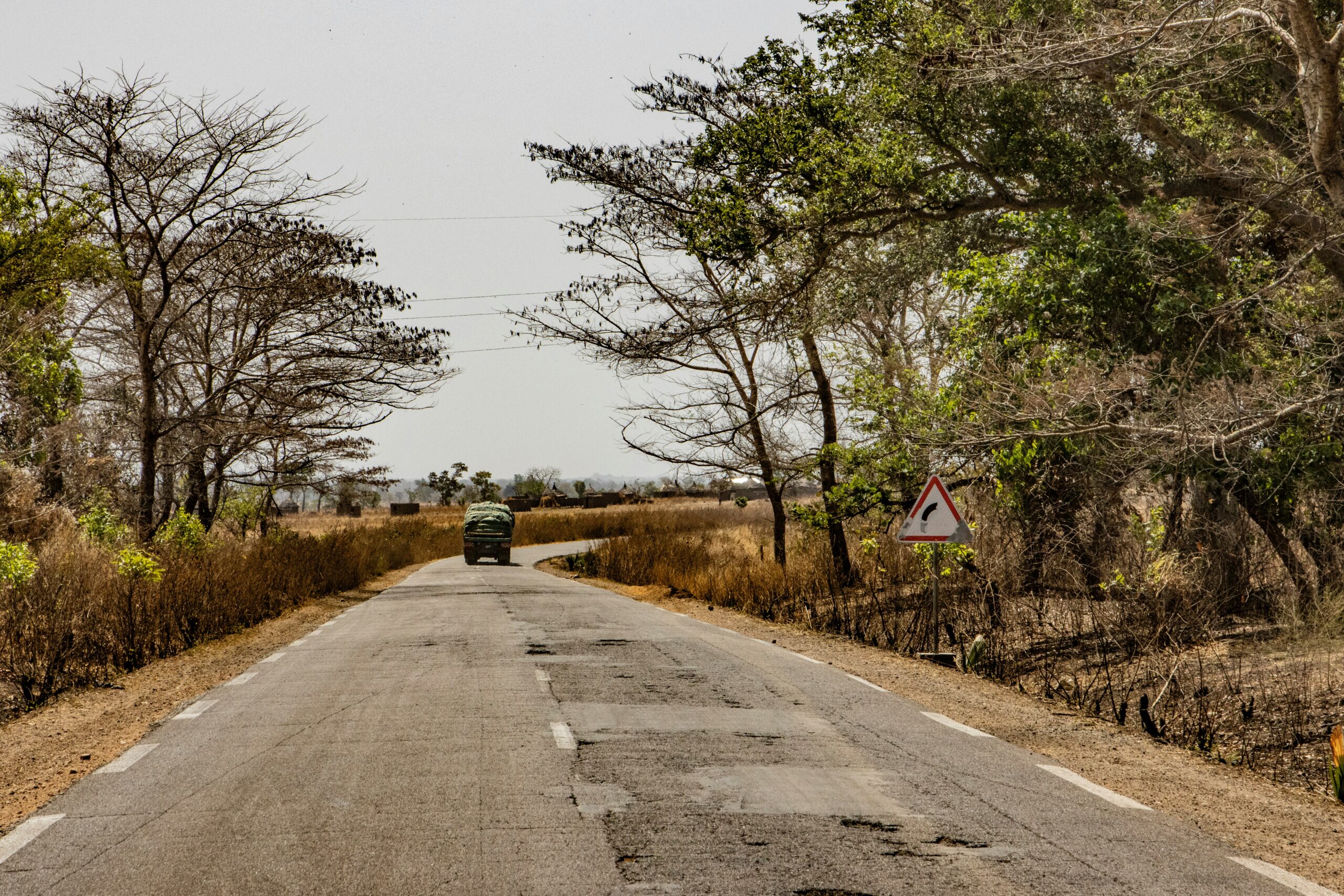
For longer distances between cities or regions, consider using intercity buses or shared taxis. These options are generally affordable and provide a chance to interact with locals during your travels. If you’re feeling adventurous, renting a car can give you the freedom to explore at your own pace; just be prepared for varying road conditions and traffic rules that may differ from what you’re accustomed to. Regardless of your chosen mode of transportation, embracing the local travel culture will undoubtedly enrich your experience in Cameroon.
Accommodation Options
When it comes to accommodation in Cameroon, you will find a range of options that cater to different budgets and preferences. In major cities like Douala and Yaoundé, luxury hotels offer modern amenities and services for those seeking comfort during their stay. These establishments often feature restaurants serving both local and international cuisine, as well as facilities such as swimming pools and fitness centers.
For travelers on a budget or those looking for a more authentic experience, guesthouses and hostels are widely available throughout the country. Staying in these smaller accommodations allows you to connect with local families and gain insight into their daily lives. Additionally, consider exploring eco-lodges or campsites near national parks if you’re keen on immersing yourself in nature. Regardless of where you choose to stay, ensure that your accommodation aligns with your travel style and enhances your overall experience in Cameroon.
Food and Dining in Cameroon
Cameroonian cuisine is a delightful fusion of flavors influenced by various ethnic groups within the country. As you explore local markets and restaurants, you’ll encounter an array of dishes that reflect the rich agricultural heritage of the region. Staples such as cassava, plantains, and rice are commonly served alongside flavorful stews made from meats or fish. One must-try dish is “ndole,” a savory stew made with bitter leaves, groundnuts (peanuts), and either fish or meat.
Street food is also an integral part of Cameroonian culture; don’t hesitate to sample local snacks like “suya,” spicy grilled meat skewers that are popular among locals. As you dine out, you’ll find that meals are often communal experiences where sharing food is encouraged. This aspect of dining not only allows you to savor various dishes but also fosters connections with fellow travelers and locals alike.
Safety and Health Tips for Traveling in Cameroon
While Cameroon is generally safe for tourists, it is essential to take precautions to ensure your well-being during your travels. Before embarking on your journey, consult with a healthcare professional regarding vaccinations and medications recommended for the region. Malaria is prevalent in many areas; therefore, taking preventive measures such as using insect repellent and sleeping under mosquito nets is crucial.
When exploring urban areas or rural regions, remain vigilant about your surroundings and avoid displaying valuable items that may attract unwanted attention. It’s advisable to travel in groups whenever possible and stick to well-lit areas at night. Additionally, familiarize yourself with local emergency numbers and keep important contacts handy in case of unforeseen circumstances. By prioritizing safety and health during your trip, you can fully enjoy all that Cameroon has to offer.
Cultural Etiquette and Customs
Understanding cultural etiquette is vital when visiting Cameroon as it demonstrates respect for local traditions and customs. Greetings play a significant role in Cameroonian culture; taking the time to greet people properly can go a long way in establishing rapport. A simple handshake accompanied by a smile is common among acquaintances; however, among close friends or family members, greetings may involve hugs or cheek-kissing.
Dress modestly when visiting rural areas or religious sites; this shows respect for local customs. Additionally, be mindful of dining etiquette; it is customary to eat with your right hand while using your left hand for other tasks. When invited into someone’s home, it is polite to bring a small gift as a token of appreciation. By embracing these cultural nuances during your visit, you will foster positive interactions with locals and enrich your overall experience in Cameroon.
Outdoor Activities and Adventure in Cameroon
For those seeking adventure amidst stunning landscapes, Cameroon offers an abundance of outdoor activities that cater to thrill-seekers and nature lovers alike. Hiking enthusiasts will find numerous trails leading through lush rainforests or up majestic mountains like Mount Cameroon or Mount Oku. These treks not only provide breathtaking views but also opportunities to encounter unique wildlife along the way.
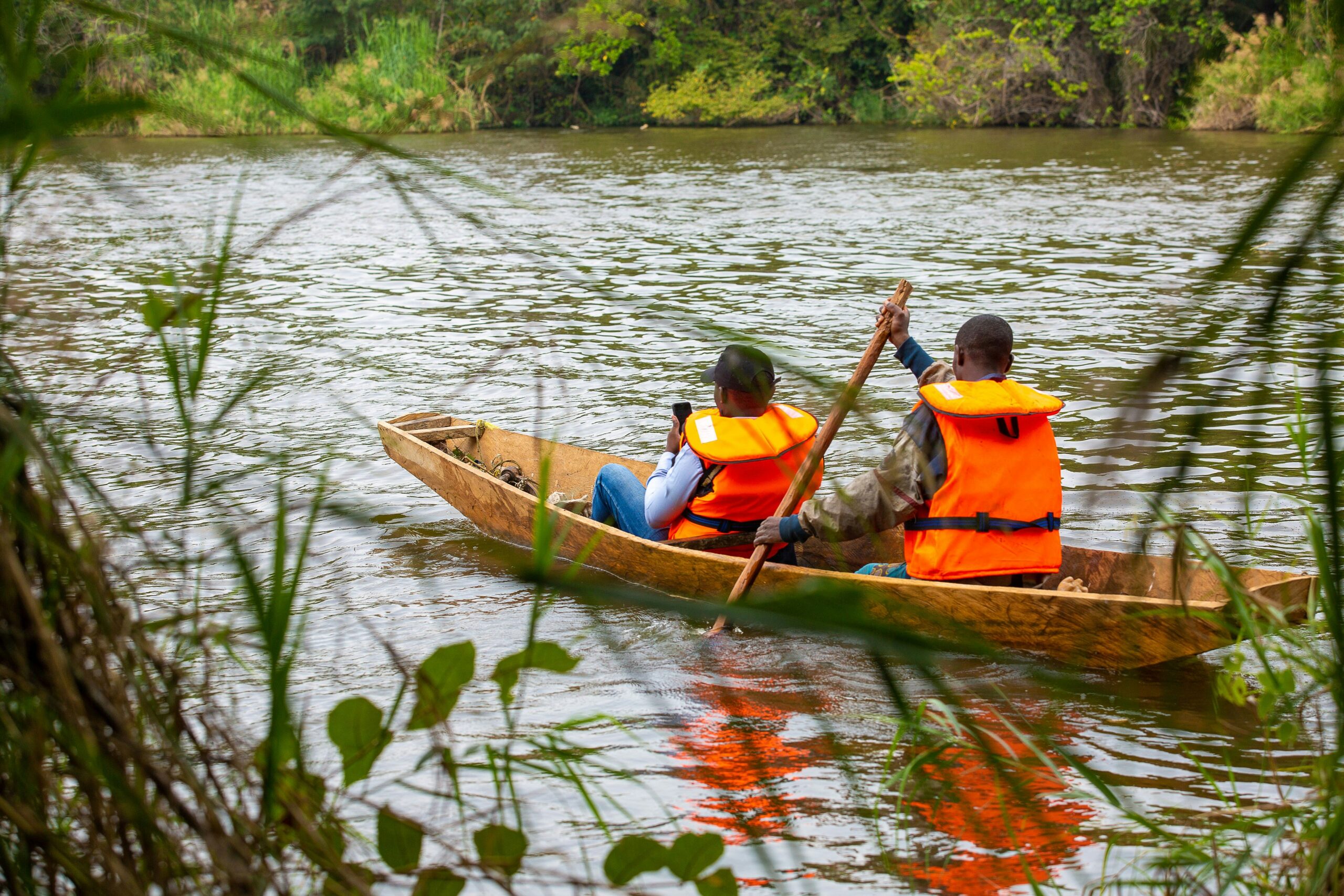
Water sports enthusiasts can indulge in activities such as kayaking or canoeing on rivers like the Sanaga River or exploring the pristine beaches along the Atlantic coast. For adrenaline junkies looking for something more exhilarating, consider embarking on a safari adventure in one of Cameroon’s national parks where you can witness wildlife up close while enjoying the beauty of nature’s untouched landscapes.
Tips for Responsible Tourism in Cameroon
As you embark on your journey through Cameroon, practicing responsible tourism is essential for preserving the environment and supporting local communities. Start by minimizing your ecological footprint; opt for eco-friendly accommodations that prioritize sustainability practices such as waste reduction and energy conservation.
Engage with local communities by purchasing handmade crafts directly from artisans rather than mass-produced souvenirs; this supports their livelihoods while ensuring authenticity in your purchases. Additionally, respect wildlife by observing animals from a distance without disturbing their natural habitats; this helps maintain biodiversity while allowing future generations to enjoy these wonders.
By embracing responsible tourism practices during your visit to Cameroon, you contribute positively to both the environment and local communities while creating meaningful connections along the way. Your journey through this remarkable country will not only be enriching but also leave a lasting impact on those who call it home.