When planning your trip, understanding the visa and entry requirements is crucial. Depending on your nationality, you may need to apply for a visa before your arrival. Some countries offer visa-free entry for short stays, while others require a visa application process that can take several weeks. It’s essential to check the specific requirements for your nationality well in advance of your travel date. You can usually find this information on the official government website of the country you plan to visit or through your local embassy.
In addition to a visa, you may also need to present certain documents upon arrival. This could include proof of onward travel, accommodation bookings, and sufficient funds for your stay. Be prepared to show these documents at immigration control, as failure to do so could result in being denied entry. Always keep copies of your important documents, such as your passport and visa, in a safe place during your travels. This will help you navigate any unexpected situations that may arise.
Health and Safety Precautions
Your health and safety should be a top priority while traveling. Before you embark on your journey, it’s wise to consult with a healthcare professional about any vaccinations or medications you may need. Certain destinations may have specific health risks, such as malaria or yellow fever, and being proactive can help ensure a safe trip. Additionally, consider packing a basic first-aid kit that includes items like band-aids, antiseptic wipes, and any personal medications you may require.
While on your trip, it’s important to stay informed about local health advisories and safety tips. This could include understanding the local emergency numbers or knowing which areas to avoid after dark. Familiarize yourself with the healthcare facilities available in the area you are visiting, just in case you need medical assistance. Staying vigilant and aware of your surroundings can significantly enhance your safety while exploring new places.
Local Customs and Etiquette
Understanding local customs and etiquette can greatly enhance your travel experience. Each culture has its own set of social norms and practices that dictate how people interact with one another. For instance, in some countries, it is customary to greet others with a handshake or a bow, while in others, a simple nod may suffice. Take the time to research these customs before your trip so that you can show respect for the local culture.
Additionally, be mindful of dress codes and behavior in public spaces. In many cultures, modesty is valued, and dressing appropriately can help you blend in and avoid drawing unwanted attention. Learning a few basic phrases in the local language can also go a long way in showing respect and appreciation for the culture. Simple greetings or expressions of gratitude can create a positive rapport with locals and enhance your overall experience.
Transportation Options
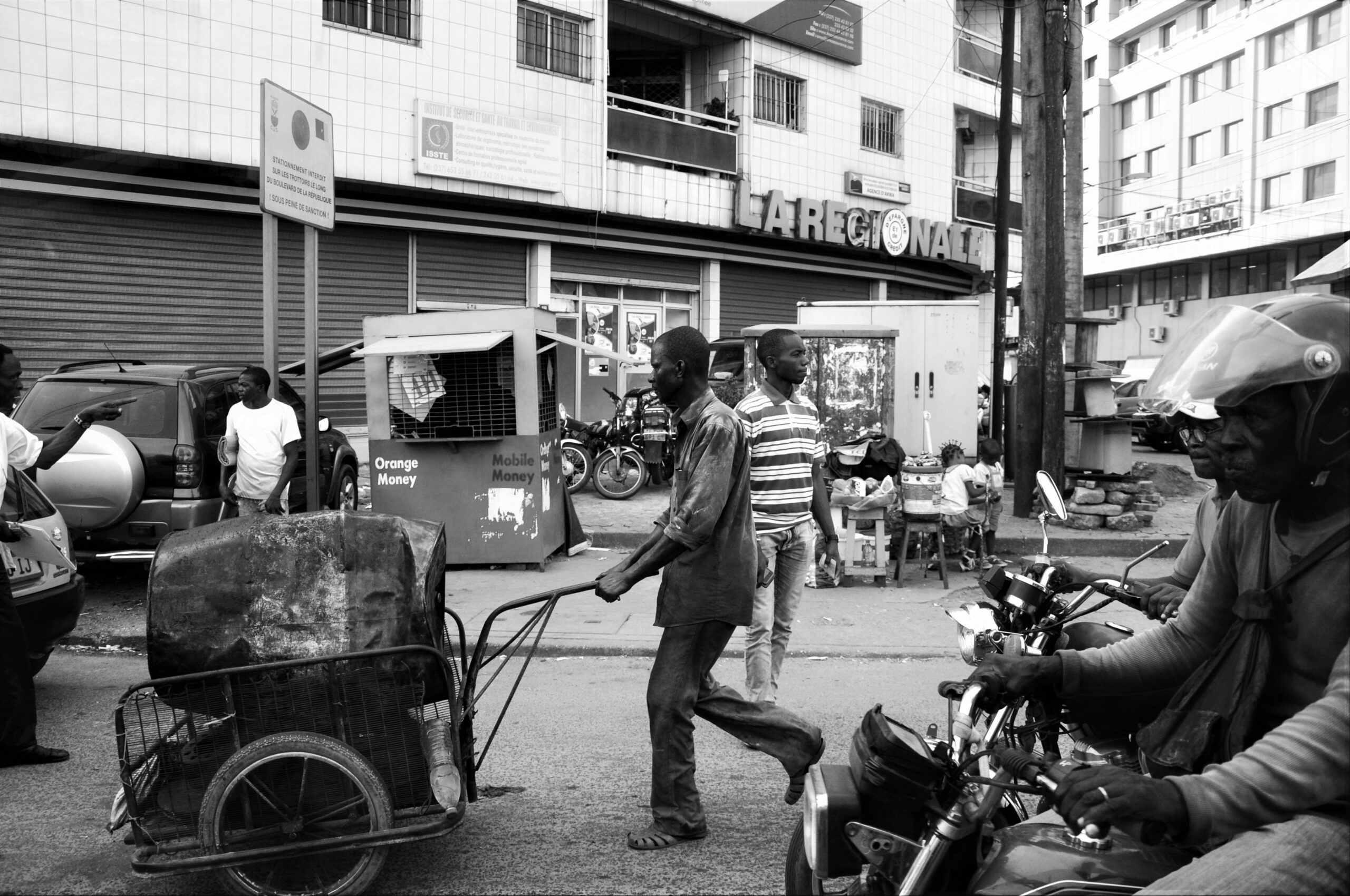
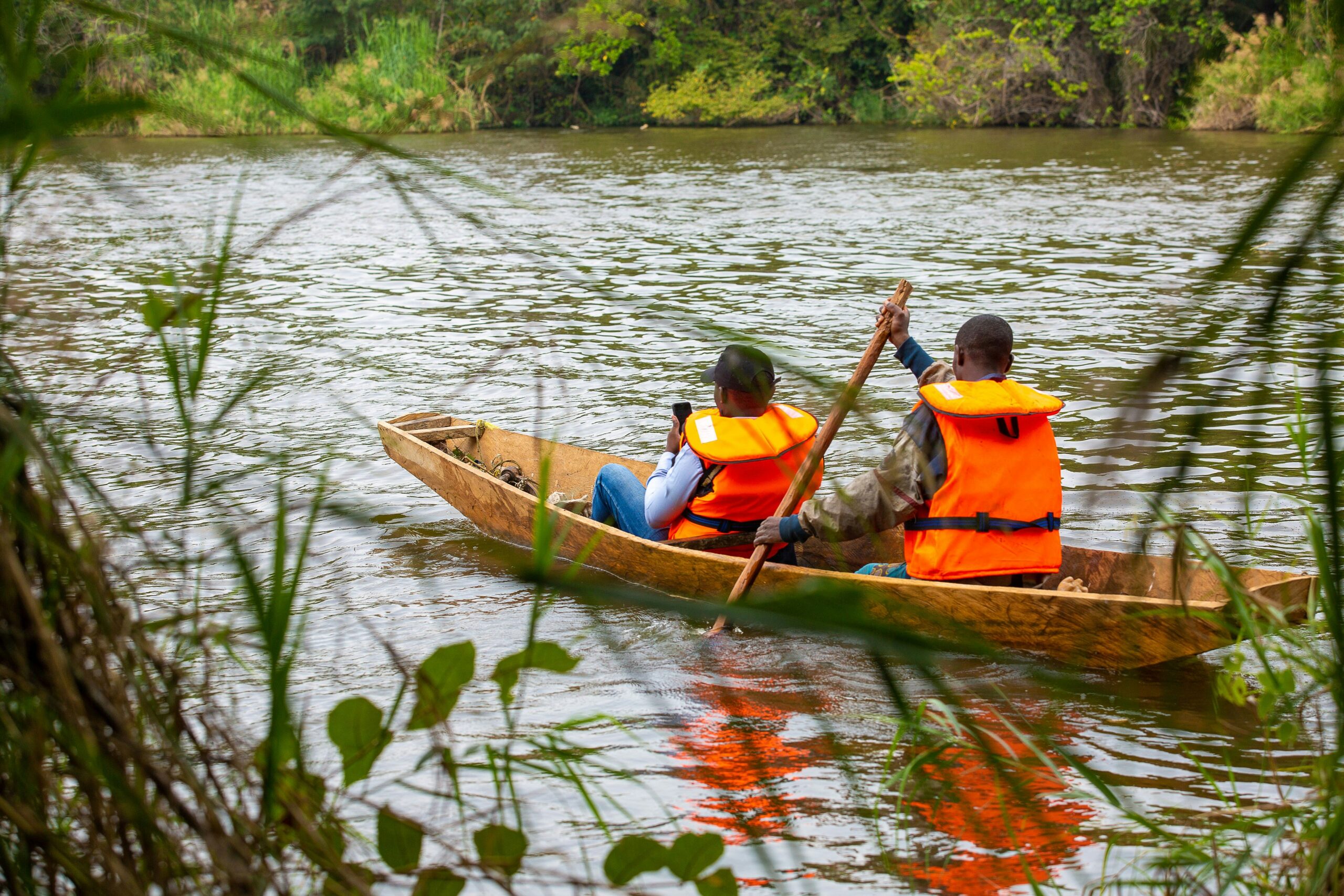
Navigating a new destination can be an adventure in itself, and understanding your transportation options is key to making the most of your trip. Depending on where you are traveling, you may have access to various modes of transport, including buses, trains, taxis, and rideshare services. Researching these options ahead of time can save you both time and money during your travels.
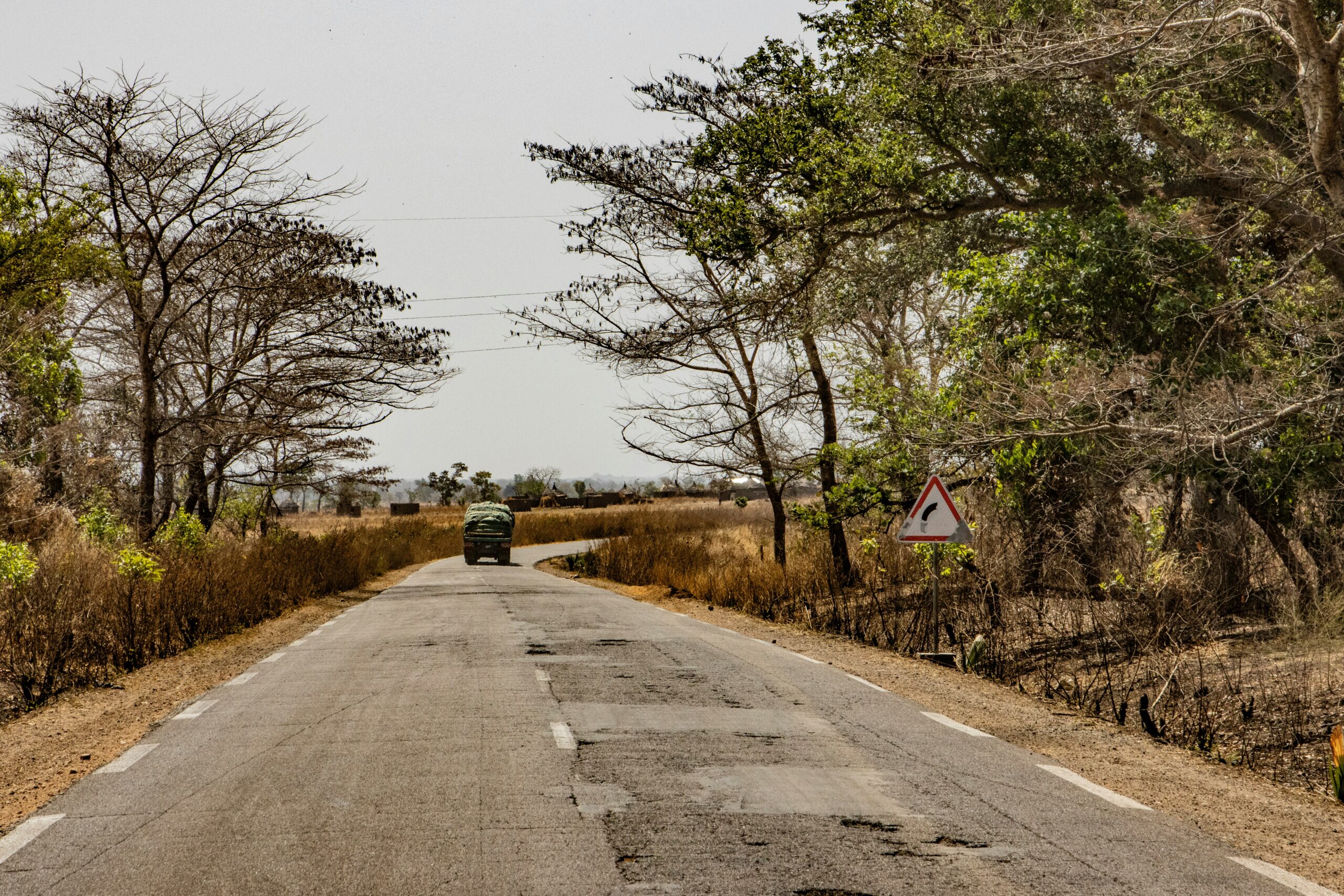
Public transportation is often an economical way to explore a city or region. Many cities have extensive bus or subway systems that can take you to popular attractions without the hassle of parking or navigating traffic. If you prefer more flexibility, consider renting a bicycle or scooter, which can provide a unique perspective on the area while allowing you to explore at your own pace. Always be sure to familiarize yourself with local traffic rules and regulations to ensure a safe journey.
Currency and Money Matters
Understanding the local currency and money matters is essential for managing your budget while traveling. Before you leave home, familiarize yourself with the currency used in your destination country and consider exchanging some money beforehand for immediate expenses upon arrival. It’s also wise to have a small amount of cash on hand for places that may not accept credit cards.
While credit cards are widely accepted in many tourist areas, it’s important to be aware of any foreign transaction fees that may apply. Additionally, using ATMs can be a convenient way to withdraw local currency; however, be cautious of any fees associated with international withdrawals. Always notify your bank of your travel plans to avoid any issues with accessing your funds while abroad.
Language and Communication
Language barriers can sometimes pose challenges during your travels, but there are ways to navigate them effectively. While many people around the world speak English, especially in tourist areas, it’s beneficial to learn a few key phrases in the local language. Simple greetings or expressions of thanks can go a long way in fostering goodwill with locals.
In addition to learning basic phrases, consider downloading translation apps on your smartphone that can help bridge communication gaps when needed. These tools can assist you in translating signs, menus, or even conversations with locals. Being open to using gestures or body language can also help convey your message when words fail. Embracing the challenge of communication can lead to memorable interactions and enrich your travel experience.
Weather and Climate Considerations
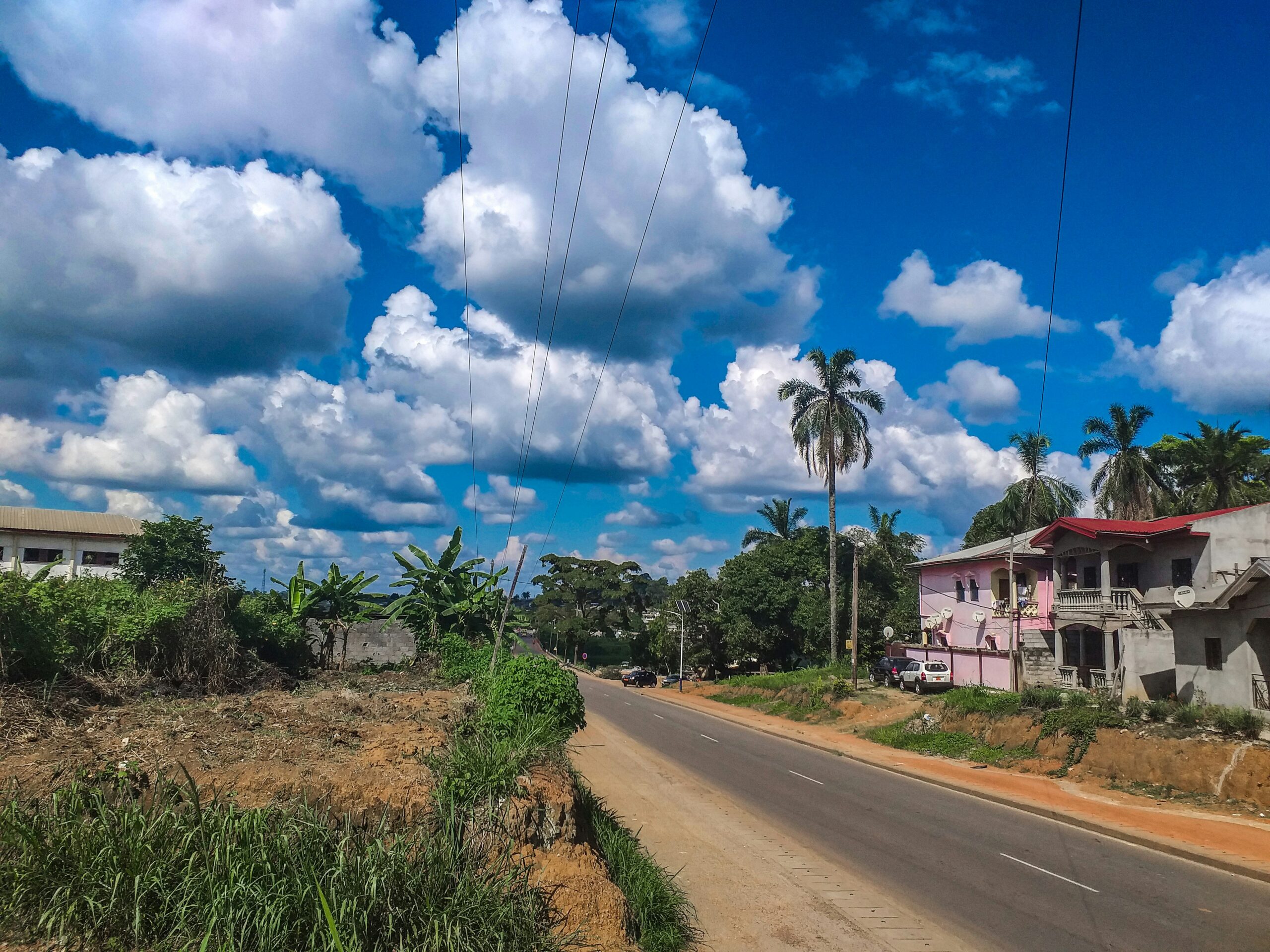
Before packing your bags, take the time to research the weather and climate of your destination during your travel dates. Different regions experience varying climates throughout the year, which can significantly impact what you should bring along. For instance, if you’re traveling to a tropical destination during the rainy season, lightweight waterproof clothing may be essential.
In addition to clothing considerations, understanding the climate can help you plan activities accordingly. If you’re visiting during the hottest months, consider scheduling outdoor excursions for early morning or late afternoon when temperatures are cooler. Conversely, if you’re traveling during winter months in colder regions, be sure to pack appropriate layers to stay warm while exploring.
Cultural and Tourist Attractions
Exploring cultural and tourist attractions is often one of the highlights of any trip. Researching must-see sites ahead of time allows you to create an itinerary that maximizes your experience. From historical landmarks to art galleries and natural wonders, each destination has its unique offerings that reflect its culture and heritage.
Consider joining guided tours or local experiences that provide deeper insights into the attractions you visit. Engaging with knowledgeable guides can enhance your understanding of the history and significance behind each site. Additionally, don’t hesitate to venture off the beaten path; sometimes the most memorable experiences come from exploring lesser-known attractions that showcase the local culture.
Food and Dining Tips
Food is an integral part of any travel experience, offering a taste of local culture and traditions. Before dining out, take some time to research popular dishes and dining customs in your destination. This knowledge will not only enhance your culinary experience but also help you navigate menus more confidently.
When dining at local restaurants, consider trying street food or small eateries where locals frequent; these often provide authentic flavors at reasonable prices. Be open-minded about trying new dishes and flavors that may be unfamiliar to you. Additionally, remember that dining etiquette varies by culture; understanding how to order food or when to tip can help you feel more comfortable during meals.
Accommodation Options
Choosing the right accommodation can significantly impact your travel experience. From luxury hotels to budget hostels and vacation rentals, there are numerous options available depending on your preferences and budget. Researching accommodations ahead of time allows you to find a place that suits your needs while also being conveniently located near attractions.
Consider reading reviews from fellow travelers to gain insights into the quality of service and amenities offered by different establishments. If you’re looking for a more immersive experience, consider staying with locals through platforms that offer homestays or guesthouses. This not only provides unique lodging but also opportunities for cultural exchange and personal connections during your travels.
Souvenirs and Shopping Tips
Shopping for souvenirs is often a delightful way to remember your travels and bring home a piece of the culture you’ve experienced. Before heading out to shop, consider what types of items resonate with you—whether it’s handmade crafts, local delicacies, or traditional clothing—so you can focus on finding meaningful mementos.
When shopping at local markets or artisan shops, don’t hesitate to engage with vendors; they often have fascinating stories behind their products that add value to your purchase. Bargaining may be common practice in some cultures; however, approach it respectfully and with an understanding of fair pricing. Ultimately, choosing souvenirs that reflect your journey will serve as cherished reminders of your adventures long after you’ve returned home.