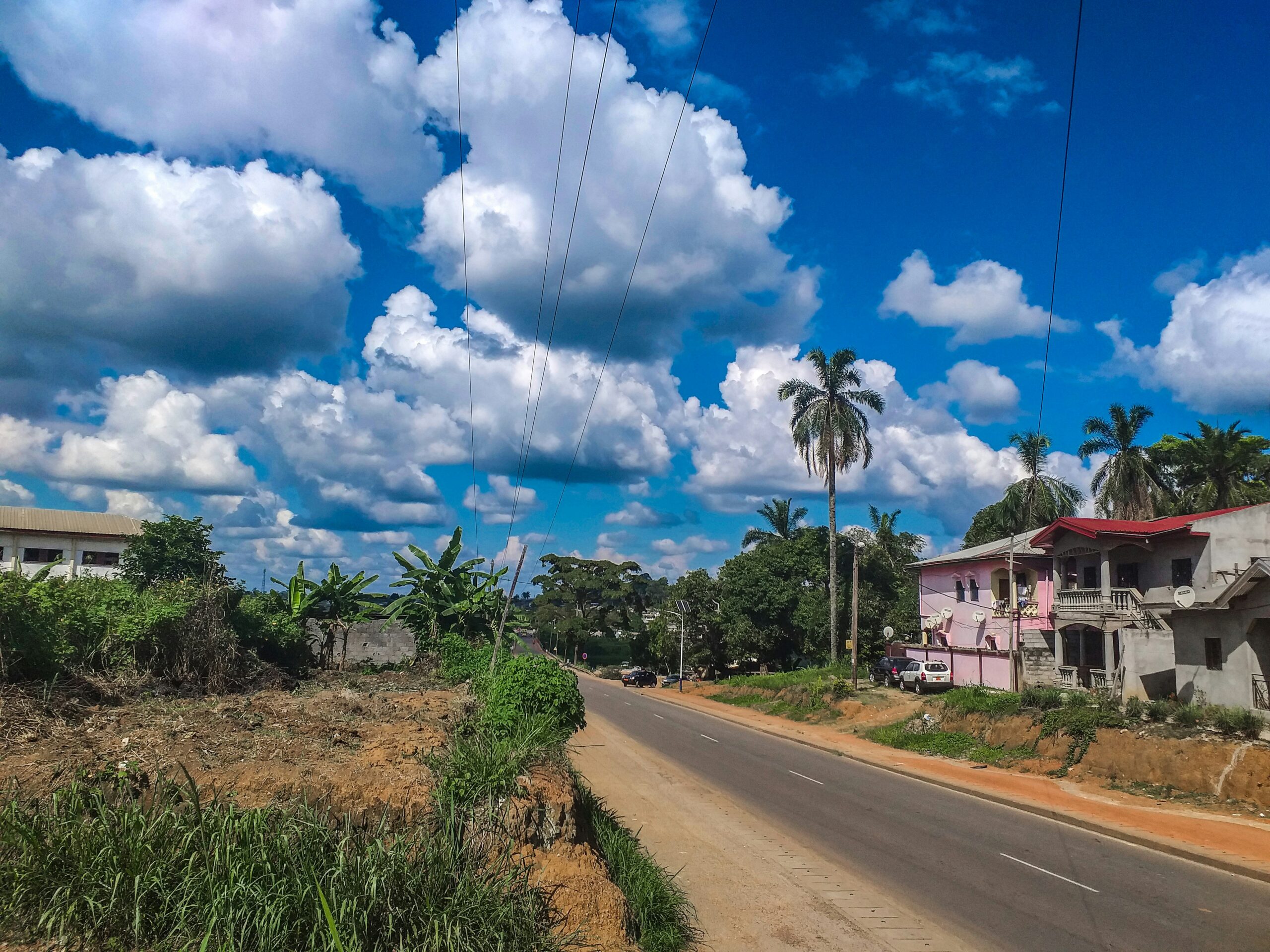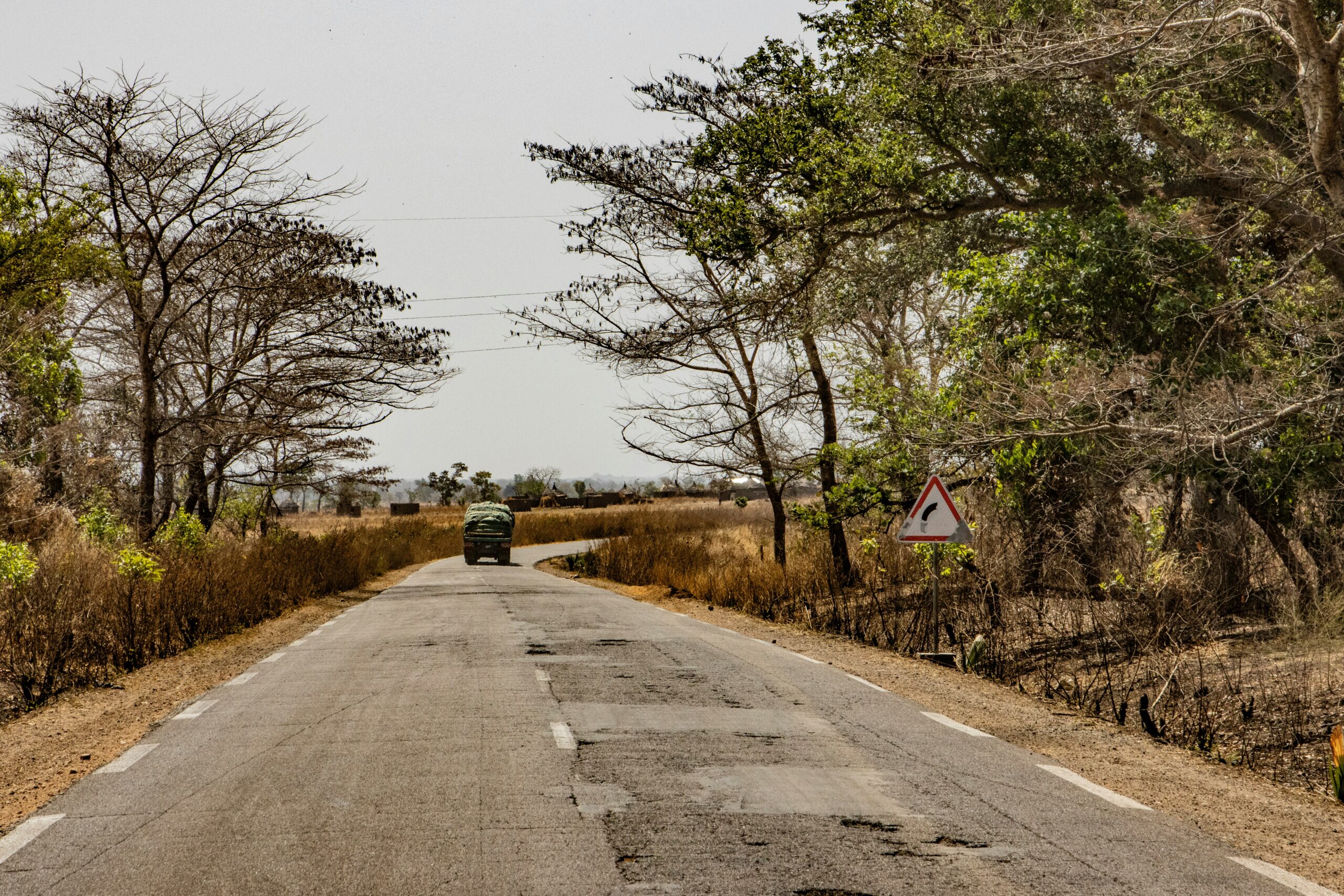
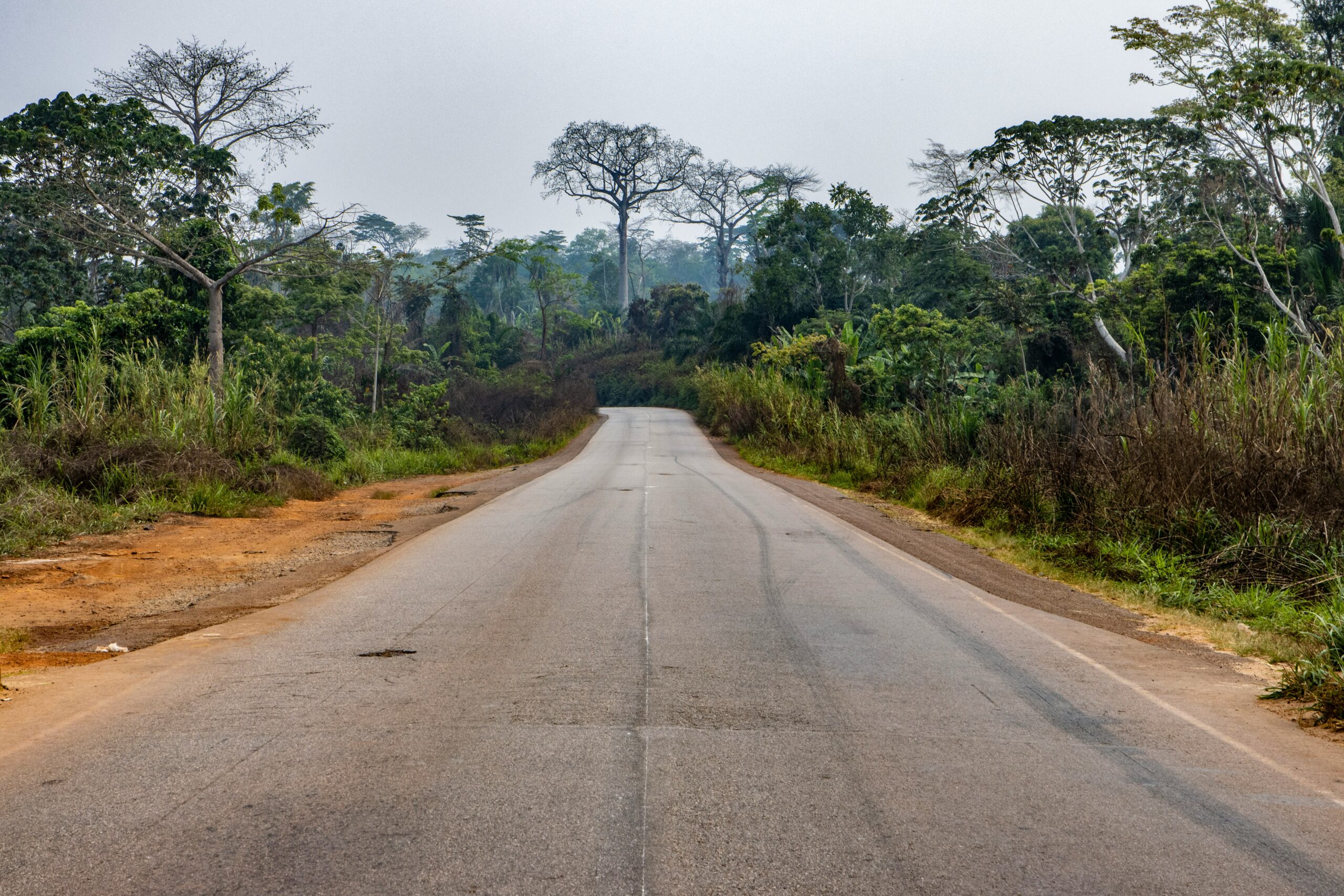
When considering a move to Cameroon, one of the first aspects you might contemplate is the cost of living. This West African nation, known for its rich cultural diversity and stunning landscapes, offers a unique blend of urban and rural experiences. Understanding the financial landscape is crucial for expats, as it can significantly impact your quality of life. The cost of living in Cameroon can vary widely depending on your lifestyle choices, location, and personal preferences.
As you delve into the specifics, you will find that Cameroon presents a relatively affordable living environment compared to many Western countries. However, it is essential to recognize that certain expenses can be higher than expected, particularly in urban centers like Douala and Yaoundé. By familiarizing yourself with the various costs associated with housing, food, transportation, and other essentials, you can better prepare for your new life in this vibrant country.
Housing Costs for Expats in Cameroon
Housing is often one of the most significant expenses you will encounter as an expat in Cameroon. The cost of accommodation can vary dramatically based on the city and neighborhood you choose to live in. In major cities like Douala and Yaoundé, you may find that rental prices are higher due to demand. A furnished apartment in a central location can range from $500 to $1,500 per month, depending on the size and amenities offered. If you prefer a more suburban or rural setting, you might discover more affordable options that still provide comfort and convenience.
When searching for housing, it’s essential to consider not only the rent but also additional costs such as security deposits and utility bills. Many landlords require a deposit equivalent to one or two months’ rent, which can add to your initial expenses. Additionally, if you are looking for a house rather than an apartment, be prepared for higher costs, especially if you desire a property with a garden or extra space. Understanding these factors will help you make informed decisions about your housing options in Cameroon.
Food and Grocery Expenses in Cameroon
Food expenses are another critical aspect of your budget as an expat in Cameroon. The cost of groceries can vary based on where you shop and your dietary preferences. Local markets often offer fresh produce at reasonable prices, allowing you to enjoy the rich flavors of Cameroonian cuisine without breaking the bank. Staples such as rice, beans, and cassava are generally affordable, while imported goods may carry a premium price tag.
Dining out is also an option worth considering. Street food is popular and typically inexpensive, providing a delicious way to experience local culture. A meal at a local eatery can cost as little as $2 to $5, while dining at more upscale restaurants may set you back $15 to $30 per person. By balancing home-cooked meals with occasional dining out, you can manage your food expenses effectively while enjoying the culinary delights that Cameroon has to offer.
Transportation Costs for Expats in Cameroon
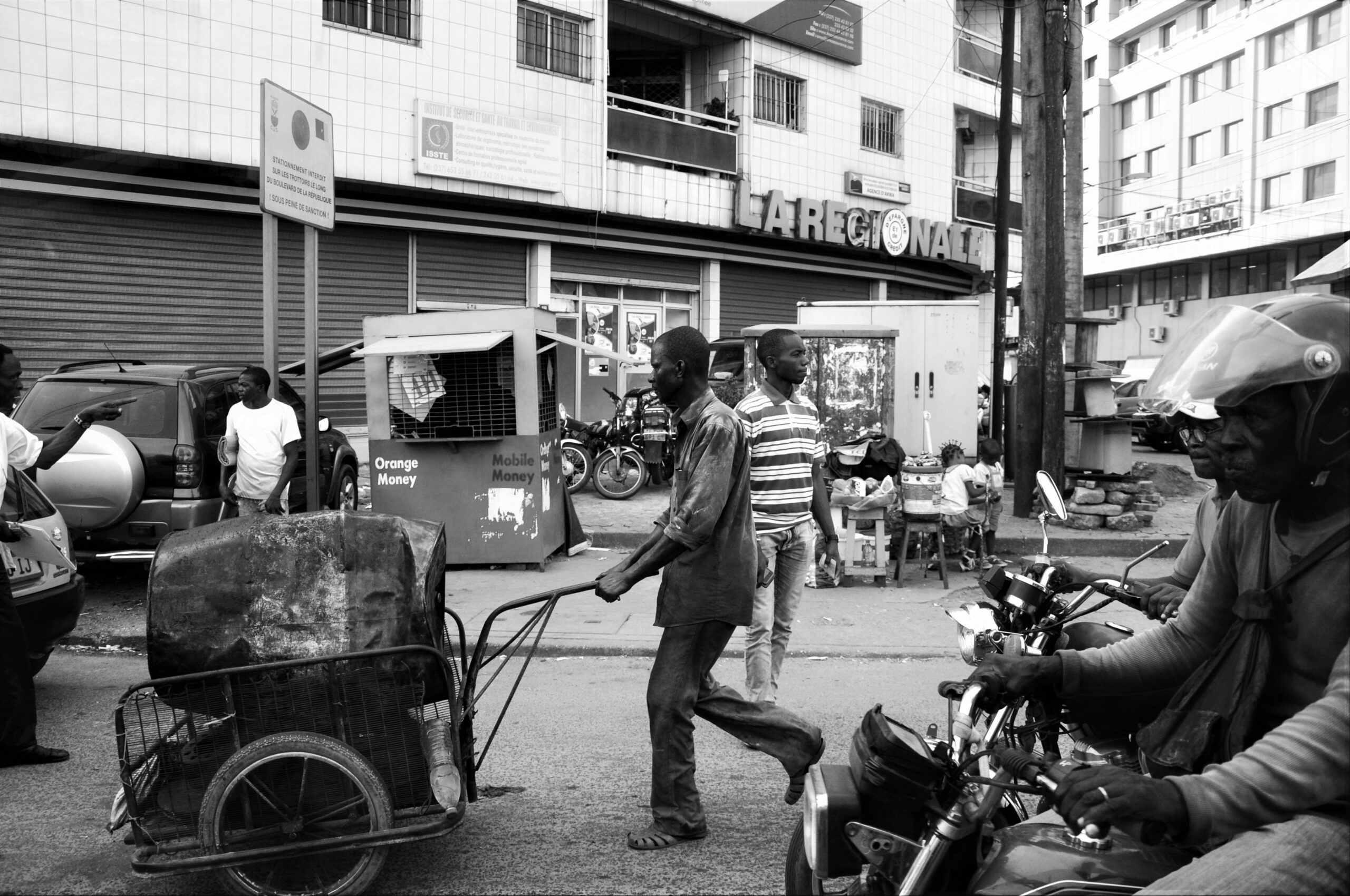
Navigating transportation in Cameroon can be both an adventure and a challenge. Public transport options include buses, taxis, and motorbike taxis known as “benskin.” While these modes of transport are generally affordable, they may not always be the most reliable or comfortable. For instance, a short taxi ride within the city might cost around $1 to $3, while longer distances could range from $5 to $10.
If you prefer more independence, consider investing in a vehicle. While purchasing a car can be a significant upfront expense, it may ultimately save you time and provide greater convenience for exploring the country. Keep in mind that fuel prices fluctuate, so budgeting for gas is essential if you choose this route. Additionally, factor in maintenance costs and insurance when calculating your overall transportation expenses.
Healthcare and Insurance Expenses in Cameroon
Healthcare is an important consideration for expats living in Cameroon. While the country has both public and private healthcare facilities, the quality of care can vary significantly. Private hospitals tend to offer better services but may come with higher costs. As an expat, it is advisable to invest in comprehensive health insurance that covers both routine care and emergencies.
The cost of healthcare services can be unpredictable; a visit to a private doctor might range from $20 to $50, while hospitalization could escalate quickly into thousands of dollars without insurance coverage. Therefore, securing adequate health insurance is not just a precaution but a necessity for ensuring peace of mind during your stay in Cameroon.
Education and Childcare Costs for Expats in Cameroon
If you are moving to Cameroon with children, education will likely be one of your top priorities. The country offers various schooling options ranging from public schools to international institutions that cater specifically to expats. International schools often provide high-quality education but come with a hefty price tag; tuition fees can range from $5,000 to $20,000 per year depending on the institution.
For younger children or those not yet school-aged, childcare options are available but can also vary in cost and quality. Daycare centers may charge between $100 to $500 per month based on their facilities and services offered. It’s essential to research and visit potential schools or childcare centers to ensure they meet your expectations and budget.
Entertainment and Leisure Expenses in Cameroon
Living in Cameroon offers numerous opportunities for entertainment and leisure activities that cater to various interests. From exploring national parks and wildlife reserves to enjoying local music and dance performances, there is no shortage of things to do. However, it’s important to budget for these activities as they can add up quickly.
Cultural events such as festivals or concerts may have entry fees ranging from $5 to $20, while outdoor adventures like hiking or visiting beaches might incur minimal costs aside from transportation. By prioritizing your interests and seeking out free or low-cost events, you can enjoy the vibrant culture of Cameroon without overspending.
Utilities and Communication Costs for Expats in Cameroon
Utilities are another essential aspect of your monthly budget as an expat in Cameroon. Basic services such as electricity, water, and internet can vary widely depending on usage and location. On average, you might expect to pay between $100 to $200 per month for utilities in an apartment, which includes electricity, water, and gas.
Communication costs are also worth considering; mobile phone plans are generally affordable but can differ based on your usage patterns. Prepaid plans are popular among expats and can cost around $10 to $30 per month depending on data usage and call minutes. Ensuring that you have reliable communication options will help you stay connected with family and friends back home while navigating your new environment.
Taxes and Other Financial Obligations for Expats in Cameroon
Understanding the tax landscape is crucial for expats living in Cameroon. The country has specific tax regulations that apply to foreign residents, including income tax on earnings generated within its borders. It’s advisable to consult with a tax professional who understands both Cameroonian tax laws and your home country’s regulations to ensure compliance.
In addition to income tax, consider other financial obligations such as social security contributions or local taxes that may apply based on your residency status. Being informed about these obligations will help you avoid unexpected financial burdens during your time in Cameroon.
Comparison of Cost of Living in Cameroon with Other Countries
When evaluating the cost of living in Cameroon, it’s helpful to compare it with other countries where you may have lived or considered moving to. Generally speaking, Cameroon offers a lower cost of living than many Western nations; however, it may be higher than some neighboring countries depending on specific factors like housing and healthcare.
For instance, while housing costs in urban areas may be comparable to those in other African cities like Accra or Nairobi, food prices might be lower due to local agricultural practices. By conducting thorough research and making comparisons based on your lifestyle preferences, you can gain valuable insights into how living in Cameroon stacks up against other potential destinations.
Tips for Managing and Budgeting for the Cost of Living in Cameroon
Successfully managing your finances while living in Cameroon requires careful planning and budgeting. Start by creating a detailed budget that outlines all expected expenses such as housing, food, transportation, healthcare, education, and entertainment. This will give you a clearer picture of your financial situation and help identify areas where you can cut costs if necessary.
Additionally, consider using local resources such as markets for groceries instead of supermarkets that cater primarily to expats; this can lead to significant savings over time. Embrace local customs by participating in community events or exploring free attractions that showcase the beauty of Cameroon without straining your budget. By being proactive about your finances and making informed choices, you can enjoy all that this remarkable country has to offer while maintaining financial stability during your stay.