
When you find yourself in a new country or region, understanding cultural etiquette is essential for fostering positive interactions and avoiding misunderstandings. Each culture has its own set of unwritten rules that dictate how people communicate, behave, and interact with one another. For instance, in many Asian cultures, showing respect through body language is crucial. You may notice that bowing is a common greeting in countries like Japan, while maintaining eye contact can be seen as confrontational in some cultures. Being aware of these nuances can help you navigate social situations more smoothly.
Moreover, greetings can vary significantly from one culture to another. In some places, a firm handshake is the norm, while in others, a light touch or even a kiss on the cheek may be more appropriate. When you travel, take the time to observe how locals interact with each other and adapt your behavior accordingly. This not only shows respect for their customs but also opens the door to deeper connections and friendships. Remember, a little effort in understanding cultural etiquette can go a long way in making your experience more enjoyable and enriching.
Political Discussions
Engaging in political discussions while traveling can be a double-edged sword. On one hand, discussing politics can provide valuable insights into the local culture and societal issues; on the other hand, it can lead to heated debates or uncomfortable situations. Before diving into political conversations, consider the local context and the sensitivities surrounding political topics. In some countries, discussing politics may be taboo or even dangerous, while in others, it may be welcomed as a sign of interest in the local culture.
If you choose to engage in political discussions, approach the topic with caution and respect. Listen more than you speak, and be open to different perspectives. You might find that locals appreciate your willingness to learn about their views, but be prepared for the possibility that some topics may be off-limits. Always gauge the mood of the conversation and be ready to change the subject if it seems to be causing discomfort. By being mindful of political sensitivities, you can foster meaningful dialogues without crossing any boundaries.
Religious Sensitivities
Religion plays a significant role in many cultures around the world, and being aware of religious sensitivities is crucial when traveling. Different faiths have unique practices, beliefs, and customs that deserve respect. For instance, in predominantly Muslim countries, it is important to understand the significance of prayer times and fasting during Ramadan. You may want to avoid eating or drinking in public during daylight hours if you are visiting during this holy month.
Additionally, when visiting religious sites such as temples, churches, or mosques, dress modestly and follow any specific guidelines provided by the site. This may include removing your shoes or covering your head. By showing respect for local religious practices, you not only honor the beliefs of others but also enrich your own travel experience. Engaging with local religious customs can provide profound insights into the culture and history of the place you are visiting.
Dress Code
Your choice of clothing can significantly impact how you are perceived in different cultures. In some regions, casual attire is perfectly acceptable, while in others, dressing modestly is a sign of respect. Before traveling to a new destination, take the time to research local dress codes to ensure that you blend in rather than stand out for the wrong reasons. For example, in many Middle Eastern countries, women are expected to wear long skirts or dresses and cover their arms and hair when in public spaces.
Conversely, in more liberal countries, you may find that casual beachwear is acceptable in tourist areas but not in city centers or religious sites. Understanding these nuances will help you navigate social situations with ease and avoid drawing unwanted attention. When in doubt, err on the side of caution by dressing conservatively until you get a better sense of local customs.
Public Displays of Affection
Public displays of affection (PDA) can be viewed very differently across cultures. In some places, holding hands or a quick kiss may be perfectly acceptable, while in others, such actions could be considered inappropriate or disrespectful. If you are traveling with a partner, it’s wise to observe how locals express affection before engaging in PDA yourself. In conservative cultures, it’s often best to keep physical interactions private to avoid offending anyone.
Understanding local attitudes toward PDA can also enhance your travel experience by allowing you to connect more deeply with the culture. If you find yourself in a place where public displays of affection are frowned upon, consider finding more private moments to express your feelings. This not only shows respect for local customs but also allows you to engage more authentically with your surroundings.
Photography
Photography can be a wonderful way to capture memories during your travels; however, it’s essential to be mindful of local customs regarding photography. In some cultures, taking photos of people without permission can be seen as intrusive or disrespectful. Always ask for permission before photographing individuals, especially in rural areas or at religious sites where people may have specific beliefs about being photographed.
Additionally, certain locations may have restrictions on photography altogether. For example, military installations or government buildings often prohibit photography for security reasons. When visiting sacred sites or museums, look for signs indicating whether photography is allowed and adhere to those guidelines. By being respectful of local customs regarding photography, you not only avoid potential conflicts but also demonstrate your appreciation for the culture you are experiencing.
Wildlife Interactions
Interacting with wildlife can be one of the most memorable aspects of travel; however, it’s crucial to approach these experiences with care and respect for both animals and their habitats. In many places around the world, wildlife is protected by laws that prohibit certain interactions or activities that could harm them or their environment. Before engaging with animals—whether it’s feeding them or participating in tours—research local regulations and ethical guidelines.
Moreover, consider the impact of your actions on wildlife populations and ecosystems. For instance, feeding wild animals can disrupt their natural behaviors and lead to dependency on human food sources. Instead of seeking out experiences that exploit animals for entertainment—such as riding elephants or visiting poorly maintained zoos—look for ethical wildlife sanctuaries or conservation programs that prioritize animal welfare and education. By making responsible choices regarding wildlife interactions, you contribute positively to conservation efforts while enjoying unforgettable experiences.
Language Use
Language is a powerful tool for connecting with others during your travels. While English is widely spoken in many parts of the world, making an effort to learn a few basic phrases in the local language can go a long way in building rapport with locals. Simple greetings like “hello,” “thank you,” and “please” can open doors and create a sense of goodwill between you and those you meet.
Even if your pronunciation isn’t perfect or if you struggle with grammar, locals often appreciate your efforts to communicate in their language. It shows respect for their culture and fosters a sense of connection that transcends words. Additionally, learning about local idioms or expressions can provide insight into cultural nuances that enrich your travel experience. So don’t hesitate to pick up a phrasebook or download a language app before your trip; it could lead to delightful interactions and memorable encounters.
Food and Drink
Food is an integral part of any culture and offers a unique window into local traditions and customs. When traveling, embracing local cuisine can enhance your experience significantly; however, it’s essential to approach food and drink with an open mind and respect for local practices. In some cultures, sharing meals is a communal activity that fosters connection among friends and family; understanding these customs can help you navigate dining experiences more smoothly.
Be mindful of dietary restrictions or preferences when dining with locals or accepting invitations to meals. If you have specific dietary needs—whether due to allergies or personal beliefs—communicate them politely but clearly to avoid misunderstandings. Additionally, be aware of local dining etiquette; for example, in some cultures, it’s customary to eat with your hands or use specific utensils for certain dishes. By immersing yourself in local food culture and respecting dining customs, you’ll create lasting memories while enjoying delicious flavors.
Transportation
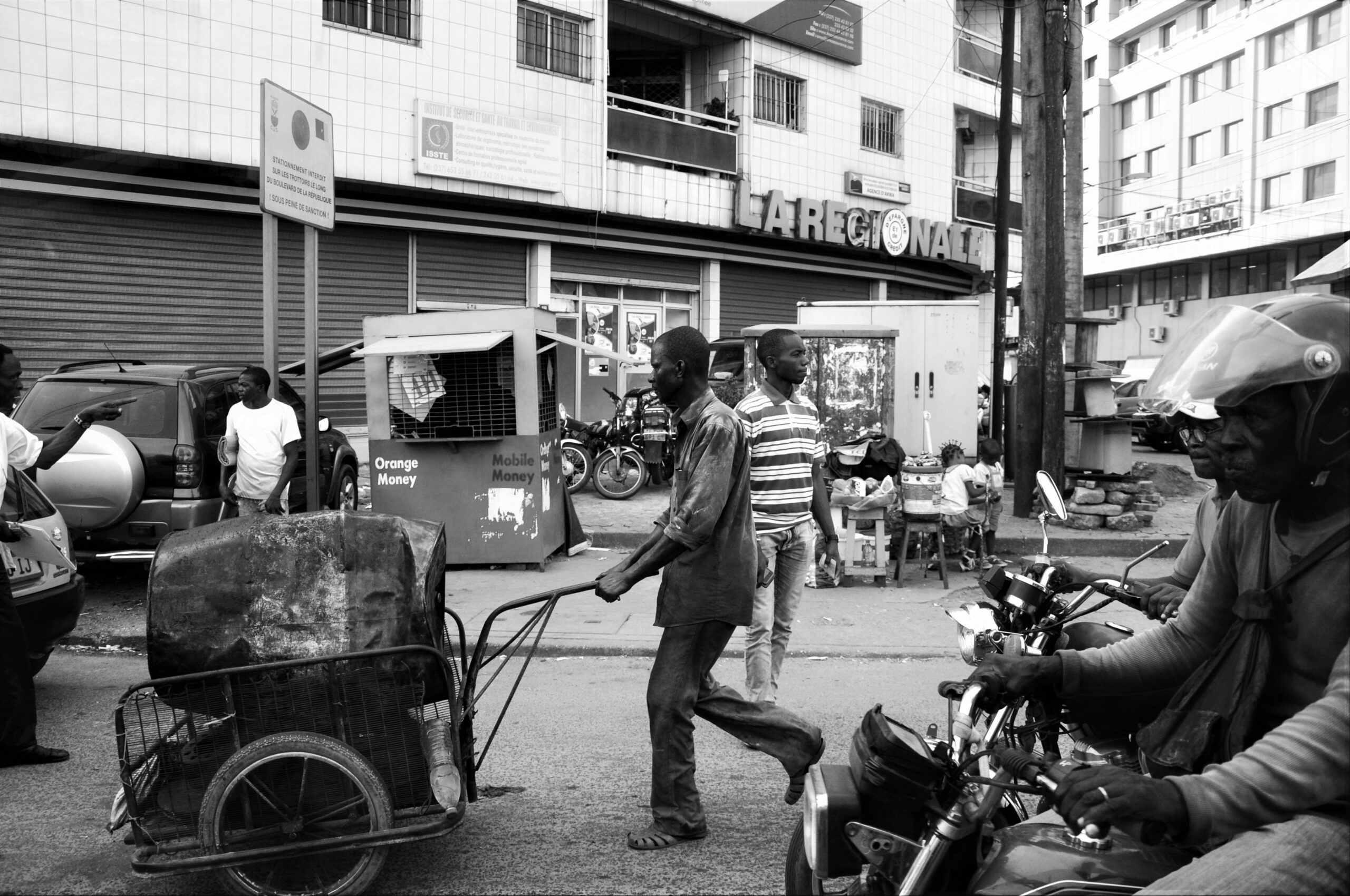
Navigating transportation systems in foreign countries can be both exciting and challenging. Each destination has its own modes of transport—ranging from buses and trains to taxis and rideshare services—and understanding how they work is crucial for getting around efficiently. Before arriving at your destination, familiarize yourself with local transportation options and any relevant customs associated with them.
For instance, in some cities, public transportation may require purchasing tickets in advance or validating them before boarding; failing to do so could result in fines or embarrassment. Additionally, consider cultural norms regarding personal space on public transport; in crowded areas, people may stand close together without complaint while in others, maintaining distance is preferred. By being aware of transportation customs and practices, you’ll navigate your travels more smoothly while minimizing stress.
Safety and Security
Your safety should always be a top priority while traveling abroad. Each destination has its own safety concerns and security measures that travelers should be aware of before embarking on their journey. Researching local laws and customs regarding safety can help you avoid potential pitfalls while ensuring a secure experience.
In addition to understanding local laws, it’s wise to stay informed about current events that may affect your safety during your travels. Registering with your embassy or consulate can provide an extra layer of security by keeping you updated on any travel advisories or emergencies affecting your destination. Always trust your instincts; if something feels off or unsafe, don’t hesitate to remove yourself from the situation. By prioritizing safety and security throughout your travels, you’ll enjoy peace of mind while creating unforgettable memories around the world.