As you traverse the globe, you will encounter a remarkable tapestry of cultures and languages that enrich the human experience. Each region boasts its own unique traditions, beliefs, and practices, creating a vibrant mosaic that reflects the history and identity of its people. You may find yourself immersed in the rhythmic beats of traditional music, the colorful patterns of local attire, or the intricate rituals that define community life. This diversity is not merely a backdrop; it is a living, breathing entity that shapes your interactions and deepens your understanding of the world.
Language, too, plays a pivotal role in this cultural diversity. You might be surprised to learn that there are over 7,000 languages spoken worldwide, each offering a different lens through which to view life. As you engage with locals, you may find that even a simple greeting in their native tongue can open doors and foster connections. The nuances of language often carry cultural significance, revealing values and worldviews that might otherwise remain hidden. Embracing this linguistic diversity can enhance your travel experience, allowing you to appreciate the richness of human expression.
The Richness of Natural Landscapes
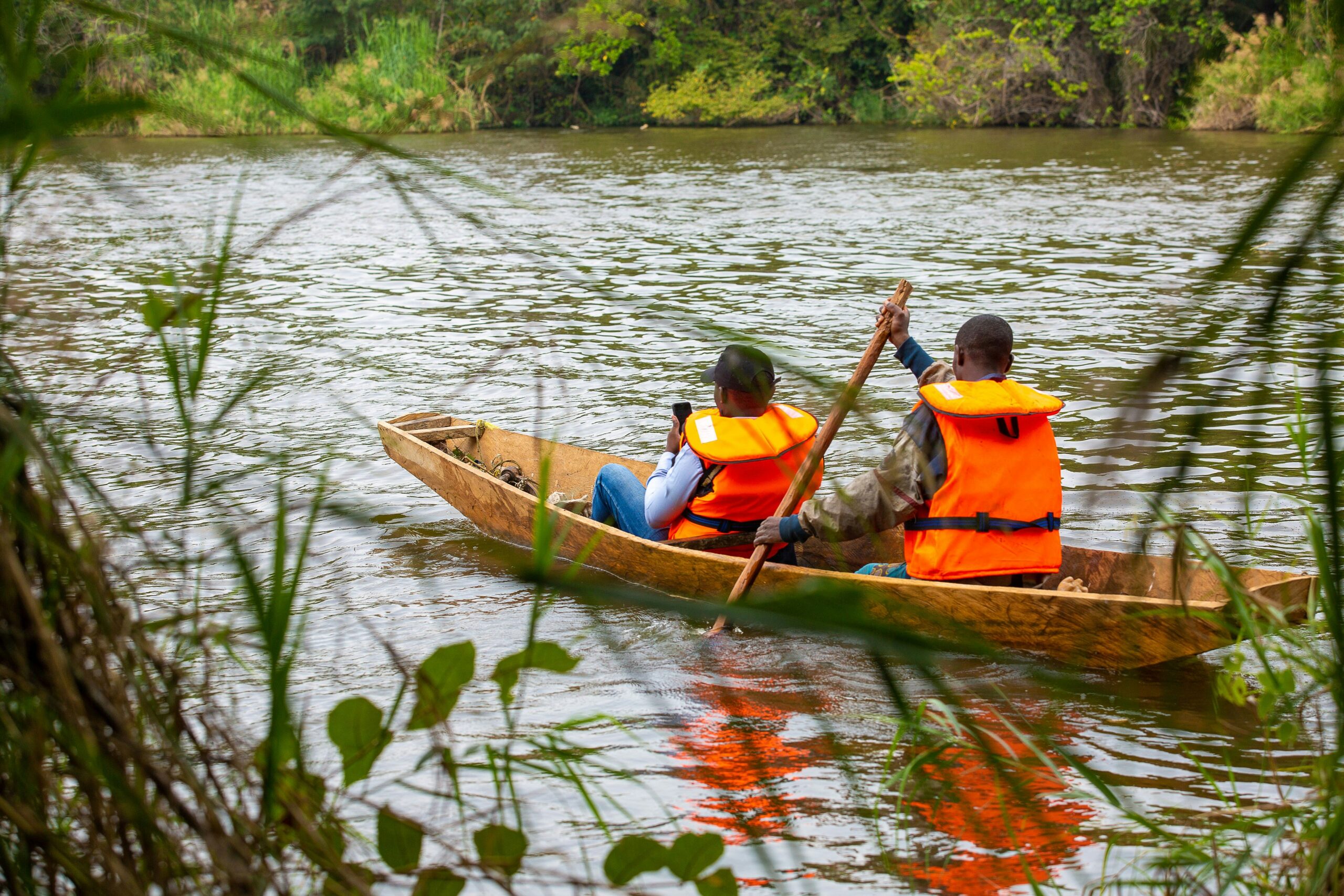
When you think of natural beauty, your mind may wander to breathtaking landscapes that seem to stretch endlessly before you. From majestic mountains to serene beaches, the world is filled with stunning vistas that invite exploration and reflection. As you journey through these diverse terrains, you will discover that each landscape tells a story—one shaped by geological forces, climate, and the flora and fauna that inhabit it. Whether you find yourself hiking through lush forests or gazing at the vastness of a desert, the beauty of nature has a way of grounding you and igniting your sense of wonder.
Moreover, these natural landscapes are often intertwined with local cultures and traditions. You may encounter communities that have lived in harmony with their environment for generations, relying on the land for sustenance and inspiration. As you explore these areas, take the time to appreciate not only the visual splendor but also the ecological significance of these regions. Understanding the delicate balance between nature and human activity can deepen your appreciation for the world around you and inspire a sense of stewardship for future generations.
The Vibrant Cities and Towns
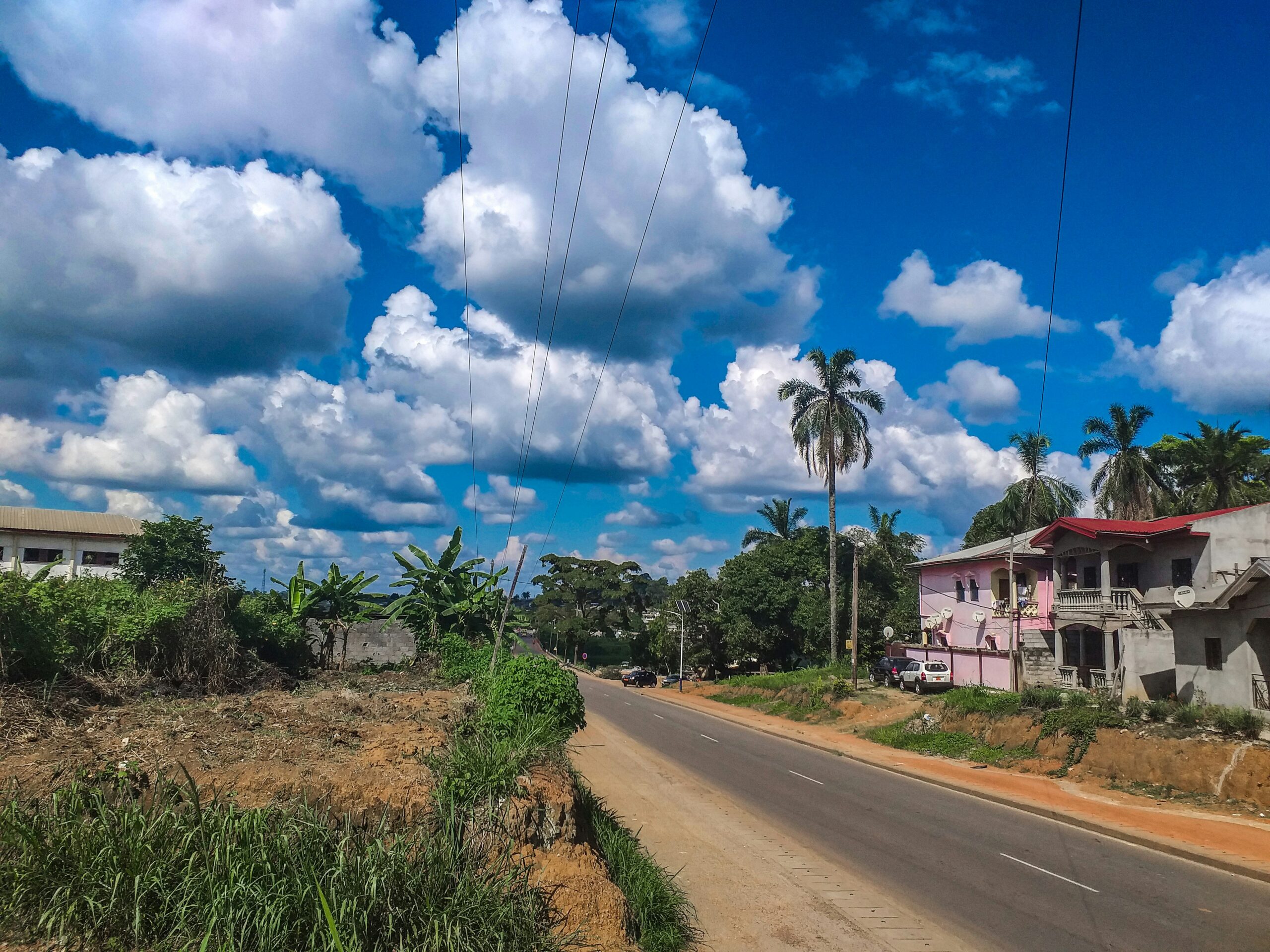
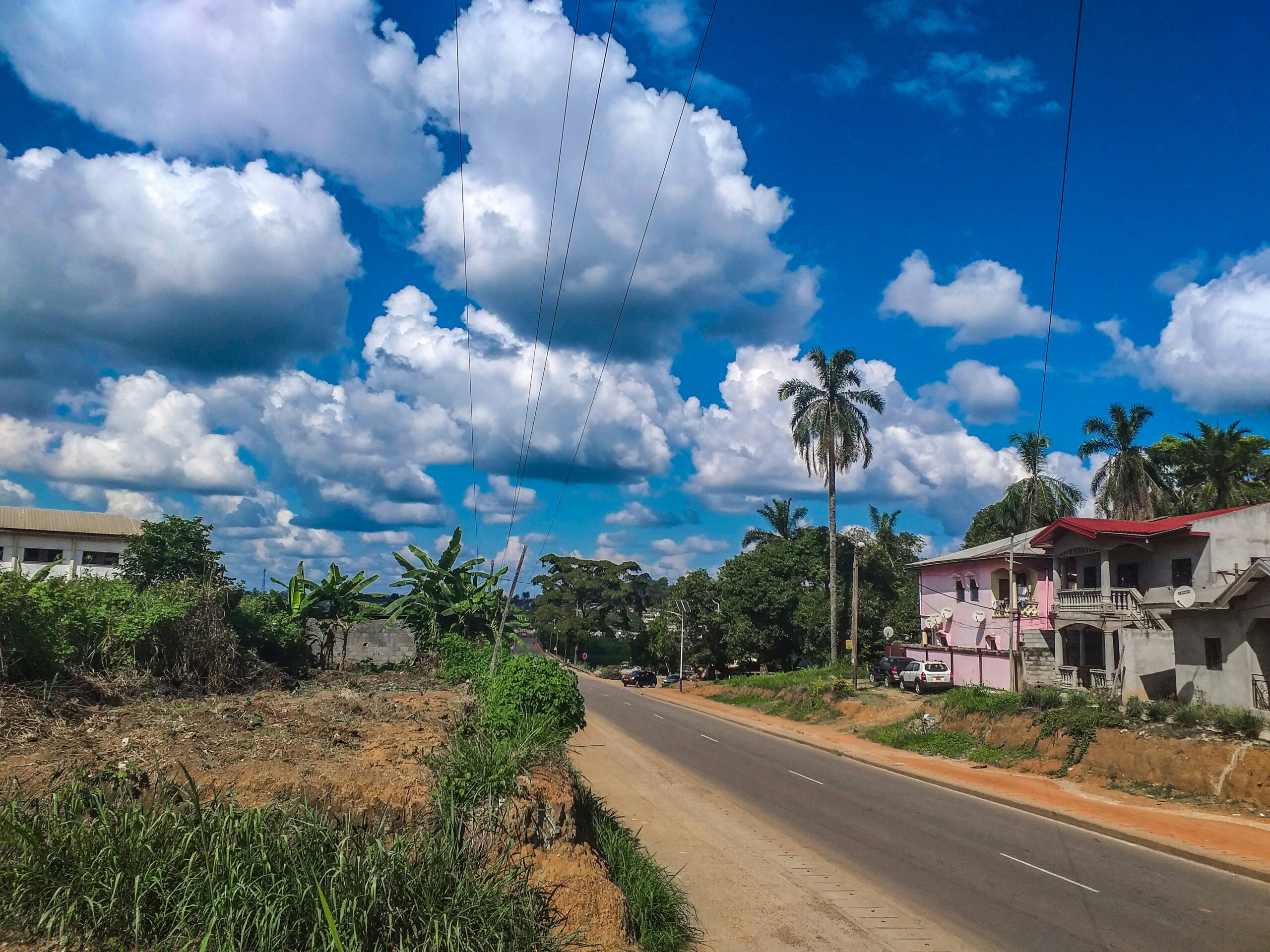
Cities and towns are often the heartbeat of a country, pulsating with energy and life. As you wander through bustling streets, you will be captivated by the blend of modernity and tradition that characterizes urban life. Skyscrapers may tower above historic buildings, while street vendors offer local delicacies alongside high-end restaurants. Each city has its own unique flavor, shaped by its history, geography, and the diverse populations that call it home. You might find yourself drawn to the vibrant art scenes, lively markets, or tranquil parks that provide a respite from the urban hustle.
In these urban environments, you will also encounter a rich tapestry of social interactions. The people you meet—whether they are fellow travelers or locals—contribute to the dynamic atmosphere of the city. Engaging in conversations can lead to unexpected friendships and insights into daily life. You may discover hidden gems off the beaten path or learn about local customs that enhance your understanding of the culture. The vibrancy of cities and towns is not just in their sights but in their sounds, smells, and stories waiting to be uncovered.
The Delicious and Diverse Cuisine
Food is one of the most delightful ways to experience a culture, and as you travel, you will have the opportunity to savor an array of flavors that reflect local traditions and ingredients. Each region boasts its own culinary specialties, often influenced by geography, climate, and historical trade routes. You may find yourself indulging in spicy street food in bustling markets or enjoying a meticulously prepared meal in a family-run restaurant. The diversity of cuisine is a testament to human creativity and adaptability, showcasing how people have learned to make the most of their resources.
As you explore different dishes, take note of how food serves as a bridge between cultures. Sharing a meal can foster connections and create lasting memories. You might find yourself participating in cooking classes or food tours that allow you to delve deeper into local culinary practices. By understanding the significance behind certain dishes—be it a festive celebration or a daily ritual—you will gain insight into the values and traditions that shape a community’s identity. The experience of tasting new flavors can be transformative, expanding your palate while enriching your travel journey.
The Warm and Welcoming People
One of the most rewarding aspects of travel is the opportunity to meet people from diverse backgrounds who share their stories and experiences with you. As you navigate new environments, you will likely encounter individuals who embody warmth and hospitality, eager to share their culture with you. Whether it’s a friendly smile from a stranger or an invitation to join a local celebration, these interactions can leave a lasting impression on your heart. The kindness of others often serves as a reminder of our shared humanity, transcending borders and differences.
In many cultures, hospitality is deeply ingrained in social norms. You may find that locals take pride in welcoming visitors into their homes or communities, offering food, stories, and companionship. Engaging with these individuals can provide valuable insights into their way of life and foster meaningful connections. As you immerse yourself in their world, remember to reciprocate this warmth by showing respect and appreciation for their customs. The relationships you build during your travels can enrich your experience far beyond what any guidebook can offer.
The Unique Wildlife and Safari Opportunities
For nature enthusiasts and adventure seekers alike, encountering unique wildlife can be one of the most exhilarating aspects of travel. Many regions are home to diverse ecosystems teeming with life, offering opportunities for unforgettable encounters with animals in their natural habitats. Whether you’re tracking elephants on an African safari or observing colorful birds in a tropical rainforest, these experiences can deepen your appreciation for biodiversity and conservation efforts.
Participating in wildlife tours can also provide valuable insights into the delicate balance between humans and nature. Guides often share their knowledge about local species and ecosystems, highlighting the importance of preserving these environments for future generations. As you witness these magnificent creatures up close, consider how your actions as a traveler can impact their habitats. Supporting ethical wildlife tourism initiatives can help ensure that these experiences remain available for years to come while contributing to conservation efforts.
The Historical and Cultural Sites
History is woven into the fabric of every destination you visit, with historical sites serving as windows into the past. From ancient ruins to grand palaces, these landmarks tell stories of civilizations that have shaped our world. As you explore these sites, take time to reflect on their significance—how they were built, who inhabited them, and what they represent today. Each stone has a story to tell, offering insights into cultural evolution and human achievement.
Visiting cultural sites also provides an opportunity to engage with local heritage. Many communities take pride in preserving their history through museums, festivals, and traditional practices. You may find yourself participating in guided tours led by passionate locals who share their knowledge and love for their culture. By immersing yourself in these experiences, you not only gain a deeper understanding of history but also contribute to its preservation by supporting local initiatives.
The Challenging Transportation System
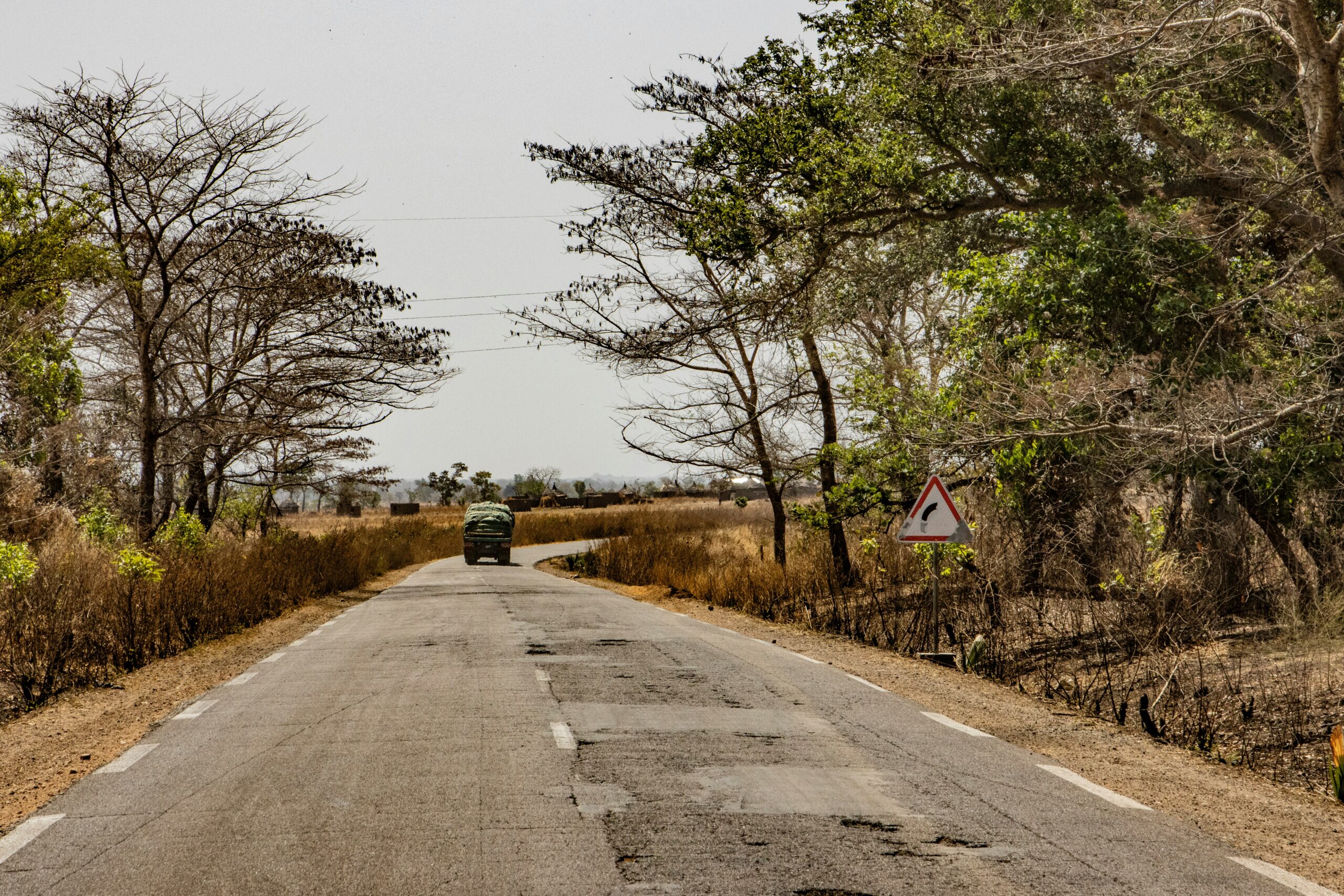
While travel can be exhilarating, navigating transportation systems in unfamiliar places can sometimes present challenges. Depending on where you are headed, public transport options may vary widely in terms of reliability and accessibility. You might find yourself grappling with language barriers when trying to decipher schedules or routes or facing delays due to traffic congestion or infrastructure issues. However, these challenges can also lead to unexpected adventures as you learn to adapt and problem-solve on the go.
Embracing these transportation hurdles can enhance your travel experience by encouraging flexibility and resilience. You may discover hidden gems while waiting for a bus or strike up conversations with fellow travelers during long journeys. Additionally, understanding local transportation norms can provide valuable insights into daily life in your destination. By approaching these challenges with an open mind and a sense of humor, you’ll likely find that they become memorable parts of your journey rather than mere obstacles.
The Unpredictable Weather and Climate
Weather can play a significant role in shaping your travel experience; it can enhance your adventures or present unforeseen challenges. Depending on where you are traveling, you may encounter everything from tropical storms to blistering heat waves or chilly winds. Being prepared for unpredictable weather is essential for making the most of your trip; packing layers or checking forecasts regularly can help ensure you’re ready for whatever Mother Nature has in store.
Moreover, experiencing different climates can deepen your appreciation for diverse environments. You might find joy in basking under sunny skies one day only to marvel at dramatic rainstorms the next. Each weather pattern contributes to the unique character of a place—affecting everything from local agriculture to cultural practices. Embracing these variations allows you to connect more deeply with your surroundings while reminding you that adaptability is key when exploring new territories.
The Importance of Respecting Local Customs and Traditions
As you embark on your travels, it’s crucial to approach each destination with respect for its customs and traditions. Every culture has its own set of values that guide social interactions; understanding these norms can enhance your experience while fostering goodwill between visitors and locals. Whether it’s dressing appropriately when visiting sacred sites or observing local etiquette during meals, being mindful of cultural practices demonstrates appreciation for the community you’re engaging with.
Taking time to learn about local customs not only enriches your travel experience but also helps build bridges between cultures. Engaging respectfully with traditions—such as participating in festivals or ceremonies—can create meaningful connections with locals who are eager to share their heritage with you. By showing genuine interest in their way of life, you’ll likely find that people are more than willing to welcome you into their world.
The Need for Precautions and Safety Measures
While travel offers countless opportunities for adventure and discovery, it’s essential to prioritize safety throughout your journey. Being aware of potential risks—whether related to health concerns or personal safety—can help ensure a smooth experience as you explore new destinations. Researching local laws and customs beforehand allows you to navigate unfamiliar environments more confidently while minimizing potential misunderstandings.
Additionally, taking practical precautions—such as securing travel insurance or keeping emergency contacts handy—can provide peace of mind during your travels. Staying informed about health advisories or safety alerts is equally important; being proactive about your well-being allows you to focus on enjoying all that your destination has to offer without unnecessary worry. By prioritizing safety measures while remaining open-minded about new experiences, you’ll create lasting memories while ensuring a fulfilling journey ahead.