
Foumban, a vibrant city nestled in the heart of Cameroon, is a treasure trove of cultural heritage and artistic expression. As I wander through its bustling streets, I am often captivated by the rich tapestry of traditions that define this region. Known as the capital of the Bamoun Kingdom, Foumban is not just a geographical location; it is a living museum where history, art, and culture converge. The city is renowned for its unique blend of traditional craftsmanship and modern influences, making it a focal point for those who appreciate the beauty of African art.
The allure of Foumban lies in its ability to preserve age-old customs while embracing contemporary trends. The vibrant markets are filled with artisans showcasing their skills, from intricate wood carvings to stunning textiles. Each piece tells a story, reflecting the values and beliefs of the Bamileke people. As I delve deeper into the artistic landscape of Foumban, I find myself drawn to the various forms of traditional decor that not only beautify spaces but also serve as symbols of identity and heritage.
Traditional Bamileke Decor
The traditional decor of the Bamileke people is a celebration of their rich cultural heritage. As I explore the intricacies of their craftsmanship, I am struck by the attention to detail and the deep-rooted symbolism embedded in each piece. From carved wooden masks to intricately woven baskets, every item serves a purpose beyond mere aesthetics. The Bamileke decor often incorporates elements that reflect their connection to nature and spirituality, creating a harmonious balance between the physical and metaphysical realms.
One of the most striking aspects of Bamileke decor is its use of vibrant colors and patterns. The bold designs are not just visually appealing; they also convey messages about social status, lineage, and community values. As I observe the various motifs used in their textiles and crafts, I am reminded of the stories passed down through generations. Each pattern has its own significance, often representing important events or ancestral ties. This deep connection to history and identity is what makes Bamileke decor so compelling and meaningful.
Royal Palace Influence
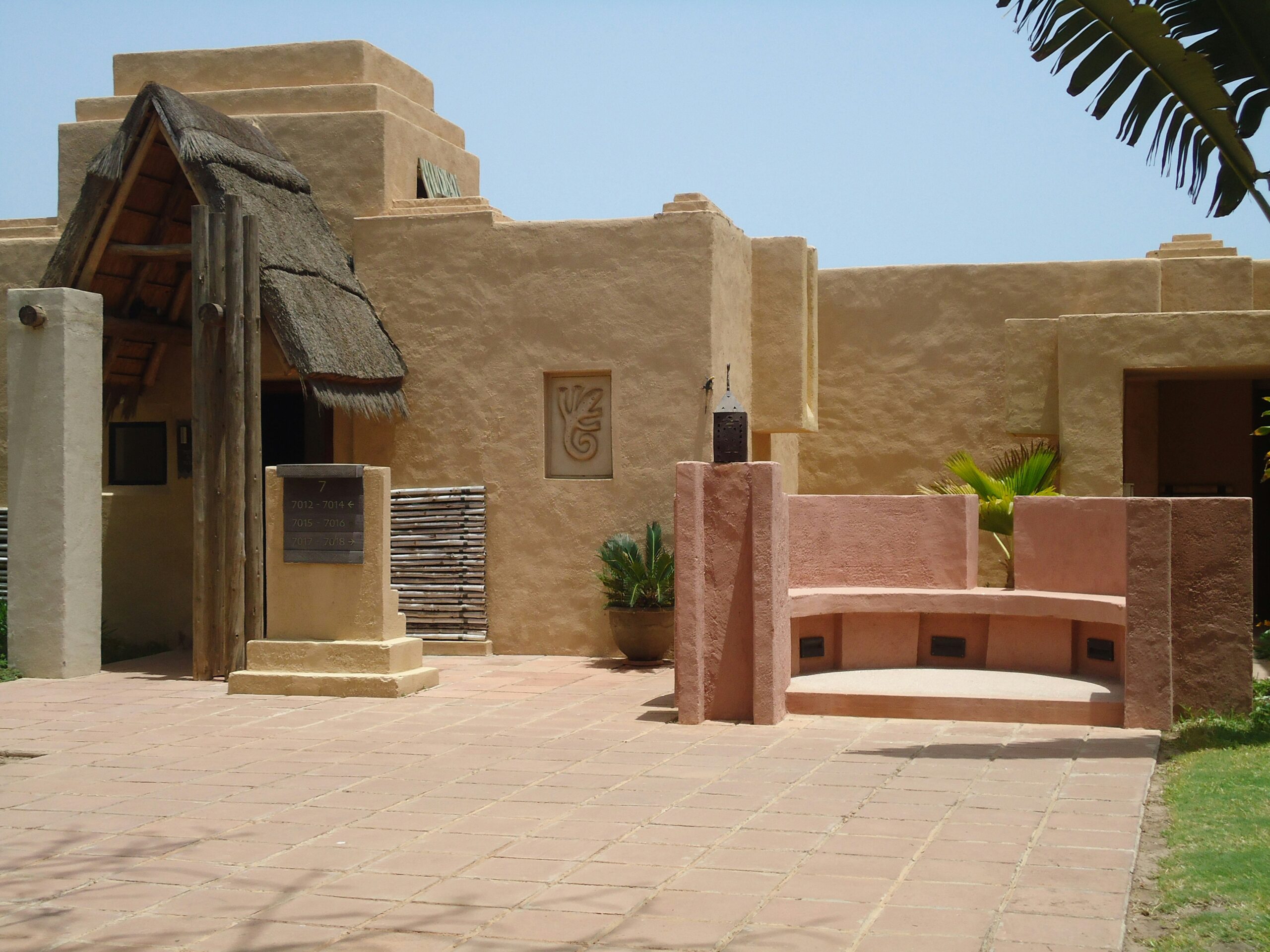
The influence of the royal palace in Foumban cannot be overstated when it comes to traditional decor. The palace serves as a cultural epicenter, where art and tradition are preserved and celebrated. As I stand before the grand structure, I am reminded of its historical significance as the residence of the Sultan and a symbol of Bamoun authority. The palace is adorned with exquisite artworks that reflect the opulence and artistry of the Bamileke people.
Inside the palace, I am greeted by an array of traditional artifacts that showcase the craftsmanship of local artisans. The intricate carvings on wooden doors and furniture tell stories of power and prestige, while the vibrant murals depict scenes from Bamoun history. This royal influence extends beyond the palace walls, permeating everyday life in Foumban. Many households incorporate elements inspired by royal decor, such as ornate masks and ceremonial objects, into their own spaces, creating a sense of continuity between past and present.
Colorful Textiles and Fabrics
Textiles play a pivotal role in the cultural identity of Foumban, with colorful fabrics that are both functional and decorative. As I explore local markets, I am mesmerized by the array of textiles on display—each piece bursting with color and life. The traditional Bamileke cloth, often adorned with intricate patterns, is not only used for clothing but also for home decor. These textiles serve as a canvas for storytelling, with each design representing different aspects of Bamileke culture.
The process of creating these textiles is an art form in itself. Local artisans employ traditional weaving techniques passed down through generations, ensuring that each piece is unique. As I watch them work, I am struck by their dedication to preserving these age-old methods while also experimenting with contemporary designs. This fusion of tradition and modernity results in textiles that are not only beautiful but also relevant in today’s world. Incorporating these vibrant fabrics into my own home decor has allowed me to bring a piece of Foumban’s rich heritage into my everyday life.
Handcrafted Pottery and Ceramics
Handcrafted pottery and ceramics are another hallmark of Foumban’s artistic landscape. As I visit local workshops, I am fascinated by the skill and creativity that goes into each piece. The artisans here have mastered the art of pottery-making, using techniques that have been refined over centuries. From functional items like bowls and pots to decorative pieces that adorn homes, each creation reflects the unique style and cultural significance of the Bamileke people.
The designs on these ceramics often feature intricate patterns inspired by nature and traditional motifs. As I examine the finished products, I can see how they embody both beauty and utility. The earthy tones and textures evoke a sense of connection to the land, reminding me of the importance of nature in Bamileke culture. Incorporating handcrafted pottery into my home decor not only adds an artistic touch but also serves as a reminder of the rich traditions that continue to thrive in Foumban.
Tribal Masks and Artwork
Tribal masks hold a special place in Bamileke culture, serving as powerful symbols of identity and spirituality. As I explore the various masks displayed in local galleries, I am struck by their diversity in design and purpose. Each mask tells a story—whether it represents a specific ancestor, a spirit, or an important cultural event. The craftsmanship involved in creating these masks is truly remarkable; artisans pour their hearts into every detail, ensuring that each piece resonates with meaning.
The artwork associated with these masks often extends beyond mere decoration; it plays a vital role in rituals and ceremonies within the community. As I learn about their significance, I gain a deeper appreciation for how these masks connect individuals to their heritage and ancestors. Incorporating tribal masks into my home decor has allowed me to celebrate this aspect of Bamileke culture while also sparking conversations about their rich history.
Cowrie Shell Accents
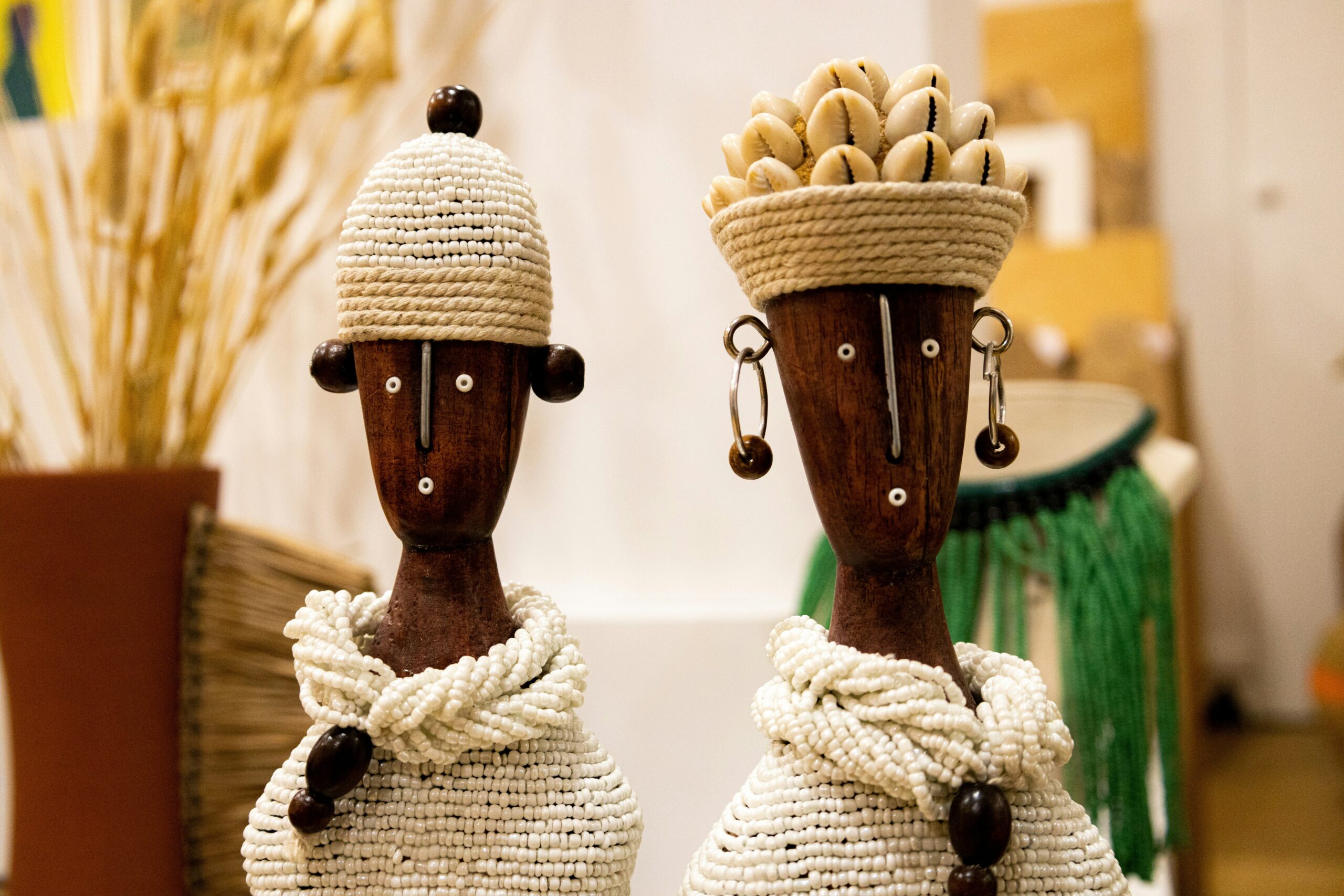
Cowrie shells have long been used as decorative accents in various cultures around the world, but in Foumban, they hold particular significance. As I delve into their use in traditional decor, I discover that cowrie shells symbolize wealth, fertility, and protection within Bamileke society. Artisans skillfully incorporate these shells into jewelry, textiles, and home decor items, creating stunning pieces that are both beautiful and meaningful.
The shimmering surfaces of cowrie shells catch my eye as they adorn everything from wall hangings to ceremonial attire. Their presence adds an element of elegance to traditional decor while also serving as a reminder of the cultural values they represent. By incorporating cowrie shell accents into my own decor, I not only enhance the aesthetic appeal but also pay homage to the rich symbolism they carry within Bamileke culture.
Raffia and Woven Grass Decor
Raffia and woven grass are materials that showcase the ingenuity and resourcefulness of Bamileke artisans. As I explore local markets, I am amazed by the variety of items crafted from these natural materials—baskets, mats, hats, and more. Each piece reflects a deep connection to nature and an understanding of sustainable practices that have been honed over generations.
The intricate weaving techniques used to create these items are truly impressive. Watching artisans at work is a testament to their skill and dedication to preserving traditional crafts. The textures and colors found in raffia and woven grass decor add warmth and character to any space. By incorporating these elements into my home decor, I embrace not only their aesthetic appeal but also the values of sustainability and craftsmanship that they represent.
Brass and Copper Metalwork
Brass and copper metalwork are integral components of Foumban’s artistic heritage. As I explore local workshops where artisans create stunning metal pieces, I am captivated by their craftsmanship and creativity. From intricately designed jewelry to decorative sculptures, each item showcases the skillful manipulation of metal to create works of art that are both functional and beautiful.
The use of brass and copper in traditional decor often carries symbolic meanings as well. These metals are associated with strength, resilience, and prosperity within Bamileke culture. As I incorporate brass and copper accents into my own home decor, I find that they not only enhance the visual appeal but also serve as reminders of the cultural significance behind these materials.
Kente Cloth and Batik Prints
Kente cloth and batik prints are two vibrant textile traditions that have gained popularity beyond their regions of origin. In Foumban, these fabrics are celebrated for their bold colors and intricate patterns that tell stories about identity and heritage. As I explore local markets filled with Kente cloths and batik prints, I am drawn to their striking designs that reflect both tradition and contemporary style.
The process of creating Kente cloth involves meticulous weaving techniques that result in stunning patterns rich with meaning. Similarly, batik printing employs a unique method where wax is used to create intricate designs on fabric before dyeing it in vibrant colors. Both textile forms allow for personal expression while honoring cultural roots. By incorporating Kente cloth and batik prints into my home decor, I celebrate this fusion of tradition and modernity while adding a touch of vibrancy to my living space.
Incorporating Foumban Decor into Modern Homes
As I reflect on my journey through Foumban’s artistic landscape, I realize how easily its traditional decor can be integrated into modern homes. The key lies in finding a balance between honoring cultural heritage while embracing contemporary design principles. By thoughtfully selecting pieces that resonate with me—whether it be handcrafted pottery or vibrant textiles—I can create a space that reflects my appreciation for both tradition and modernity.
Incorporating Foumban decor into my home has transformed my living space into a celebration of culture and artistry. Each piece serves as a conversation starter, inviting guests to learn about the rich history behind them. Whether it’s displaying tribal masks on walls or using colorful textiles as accents throughout my home, I find joy in curating an environment that honors the beauty of Bamileke culture while remaining relevant in today’s world.
In conclusion, Foumban’s artistic heritage offers a wealth of inspiration for anyone looking to enrich their living spaces with meaningful decor. By embracing traditional crafts such as textiles, pottery, metalwork, and more, we can create homes that not only reflect our personal style but also celebrate the rich cultural narratives woven into each piece. Through this journey into Foumban’s artistic landscape, I have discovered not just beautiful decor but also a deeper understanding of identity, heritage, and community values that continue to thrive today.