
As I delve into the rich tapestry of traditional African aesthetics, I find myself captivated by the profound connection between art, culture, and identity that permeates the continent. African aesthetics are not merely about visual appeal; they embody a deep-seated philosophy that reflects the values, beliefs, and histories of diverse communities. Each piece of art, whether it be a sculpture, textile, or painting, tells a story that resonates with the viewer, inviting them to explore the intricate layers of meaning embedded within. This aesthetic tradition is a celebration of life, nature, and spirituality, often characterized by vibrant colors, intricate patterns, and a strong sense of community.
In my exploration, I have come to appreciate how traditional African aesthetics serve as a bridge between the past and present. They are a testament to the resilience and creativity of African peoples, who have maintained their cultural heritage despite the challenges posed by colonization and globalization. By embracing these aesthetics in contemporary design, I can honor this legacy while also creating spaces that are both beautiful and meaningful. The journey into traditional African aesthetics is not just an artistic endeavor; it is an invitation to engage with a rich cultural narrative that continues to evolve and inspire.
Incorporating Earthy Tones and Natural Materials
When I think about incorporating earthy tones and natural materials into my design aesthetic, I am reminded of the landscapes that define much of Africa. The warm browns of the earth, the deep greens of lush vegetation, and the soft ochres of sun-baked clay all come together to create a palette that feels both grounded and organic. By using these colors in my spaces, I can evoke a sense of tranquility and connection to nature. Earthy tones have a way of making a space feel inviting and warm, creating an atmosphere where people can gather and feel at home.
Natural materials play an equally important role in this aesthetic. I find that using wood, stone, and clay not only adds texture but also brings a sense of authenticity to my designs. Each material carries its own story—whether it’s the rich grain of reclaimed wood or the smooth surface of hand-formed pottery. By incorporating these elements into my decor, I can create spaces that resonate with the essence of the earth itself. This approach not only honors traditional African craftsmanship but also promotes sustainability by utilizing resources that are locally sourced and environmentally friendly.
Embracing Geometric Patterns and Textiles
As I immerse myself in the world of traditional African textiles, I am struck by the beauty and complexity of geometric patterns that adorn them. These patterns are not just decorative; they often hold cultural significance and convey messages about identity, status, and community. From the bold zigzags of Kente cloth to the intricate motifs found in mud cloth, each design tells a story that connects me to the rich heritage of African artisans. By embracing these geometric patterns in my own decor, I can infuse my spaces with a sense of history and cultural depth.
Textiles play a crucial role in this aesthetic journey. I love how they can be used in various ways—whether as wall hangings, upholstery, or even table runners. The tactile quality of these fabrics adds warmth and comfort to my environment. When I drape a vibrant textile over a chair or hang it on a wall, I feel as though I am inviting a piece of Africa into my home. The interplay of colors and shapes creates visual interest while also serving as a conversation starter for guests who may be curious about the stories behind each piece.
Utilizing Handcrafted Art and Sculptures
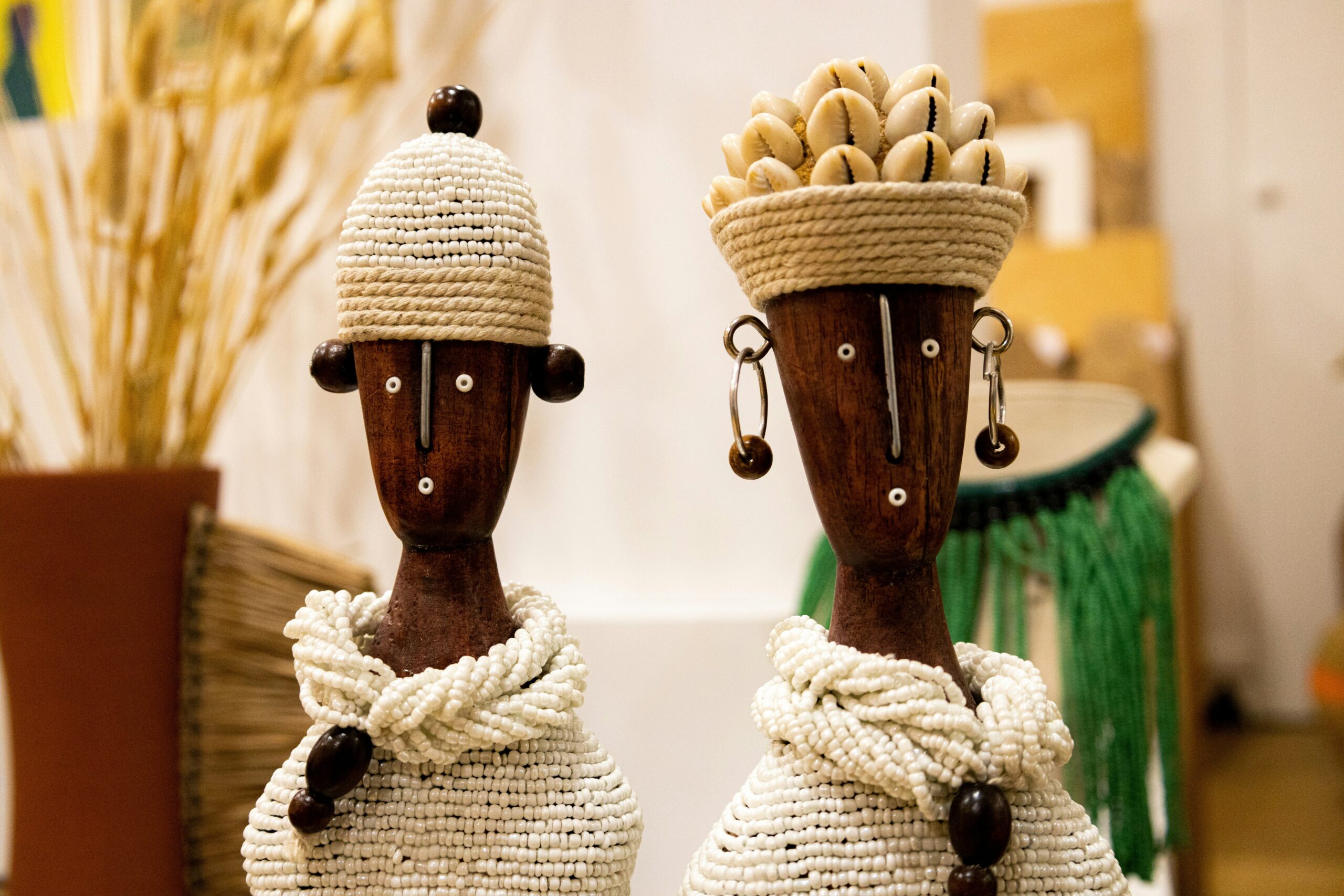
In my quest to celebrate traditional African aesthetics, I have come to appreciate the significance of handcrafted art and sculptures. These pieces are often imbued with cultural meaning and reflect the skills passed down through generations of artisans. When I incorporate handcrafted items into my decor, I am not just adding visual elements; I am also honoring the craftsmanship and creativity that went into their creation. Each sculpture or piece of art carries with it the spirit of its maker, making it a unique addition to my space.
I find that handcrafted art can serve as focal points in my home, drawing attention and sparking curiosity. Whether it’s a carved wooden figure or a vibrant painting depicting everyday life in an African village, these pieces invite storytelling and connection. They remind me of the importance of supporting local artisans and preserving traditional crafts. By showcasing handcrafted art in my decor, I can create an environment that celebrates creativity while also fostering a deeper appreciation for cultural heritage.
Infusing Symbolism and Meaningful Decor
As I explore traditional African aesthetics further, I am increasingly drawn to the symbolism embedded in various decor elements. Many African cultures use symbols to convey messages about life, spirituality, and community values. For instance, the Adinkra symbols from Ghana are rich with meaning and can be incorporated into my decor through textiles or wall art. Each symbol tells a story or imparts wisdom, allowing me to create spaces that resonate with deeper significance.
Incorporating meaningful decor into my home allows me to express my values and beliefs while also inviting others to engage with these ideas. Whether it’s through artwork that represents unity or sculptures that symbolize strength and resilience, each piece serves as a reminder of the principles I hold dear. This infusion of symbolism transforms my living space into more than just an aesthetic experience; it becomes a reflection of my identity and aspirations.
Emphasizing Warm and Inviting Spaces
Creating warm and inviting spaces is essential to me when embracing traditional African aesthetics. The essence of African hospitality is reflected in how spaces are designed to welcome others. I strive to cultivate an atmosphere where friends and family feel comfortable gathering together, sharing stories, and enjoying each other’s company. This warmth can be achieved through thoughtful design choices that prioritize comfort and accessibility.
In my approach to creating inviting spaces, I often focus on layout and furniture arrangement. By arranging seating areas to encourage conversation and connection, I can foster an environment that feels open and welcoming. Additionally, incorporating soft textiles—such as plush cushions or cozy throws—adds layers of comfort that invite relaxation. The use of warm lighting further enhances this ambiance, creating an inviting glow that draws people in. Ultimately, my goal is to create spaces that embody the spirit of community found in traditional African culture.
Integrating Tribal and Cultural Influences
As I continue to explore traditional African aesthetics, I find myself inspired by the diverse tribal influences that shape this rich artistic landscape. Each tribe has its own unique traditions, colors, patterns, and materials that contribute to the broader narrative of African art. By integrating these tribal influences into my design choices, I can celebrate this diversity while also creating a cohesive aesthetic within my home.
I often seek out pieces that reflect specific tribal artistry—whether it’s a woven basket from the Zulu people or beadwork from the Maasai tribe. These items not only add visual interest but also serve as conversation starters about the cultures they represent. By showcasing tribal influences in my decor, I can honor the unique contributions of various communities while also fostering an appreciation for their artistry. This integration allows me to create spaces that are not only beautiful but also rich in cultural significance.
Celebrating Bold and Vibrant Colors
One cannot discuss traditional African aesthetics without acknowledging the bold and vibrant colors that characterize much of its art and design. These colors are often inspired by nature—the deep blues of rivers, the bright yellows of sunflowers, and the fiery reds of sunsets all come together to create a vivid palette that energizes any space. As I incorporate these colors into my decor, I feel an immediate uplift in mood and energy.
I love how bold colors can be used strategically to create focal points within a room. A bright orange accent wall or colorful throw pillows can instantly transform an otherwise neutral space into something lively and dynamic. Additionally, layering different colors together allows me to create depth and visual interest while celebrating the vibrancy inherent in traditional African aesthetics. This celebration of color not only enhances my living environment but also serves as a reminder of the beauty found in diversity.
Paying Homage to African Architecture and Design Elements
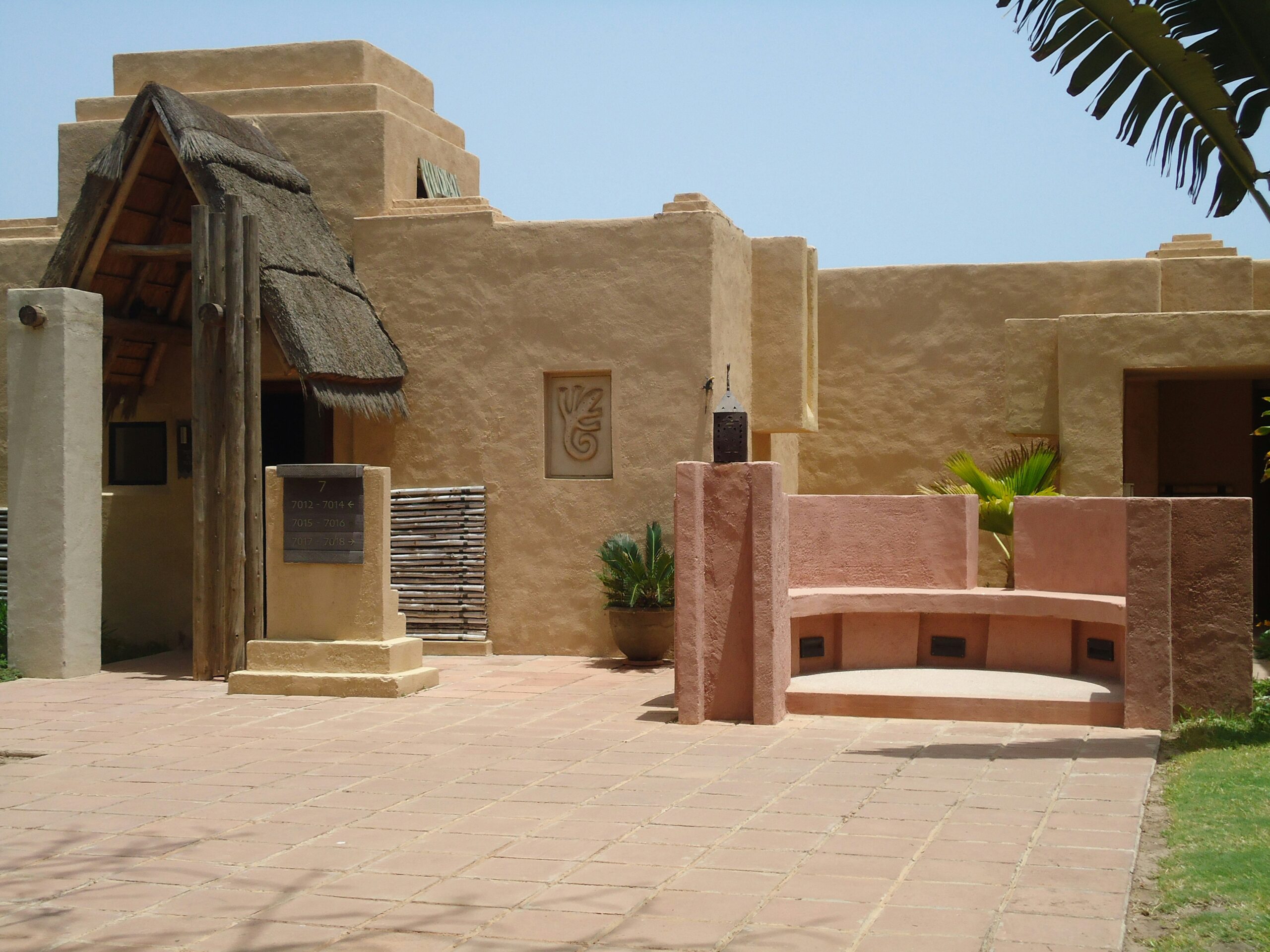
In my journey through traditional African aesthetics, I have developed a deep appreciation for the architectural styles that define various regions across the continent. From the mud-brick structures of West Africa to the intricate carvings found in East African homes, each architectural style tells a story about its environment and culture. By paying homage to these design elements in my own space, I can create an atmosphere that reflects this rich heritage.
Incorporating architectural features such as arched doorways or decorative window frames allows me to bring a touch of Africa into my home while celebrating its diverse architectural history. Additionally, using materials like clay or stone can evoke a sense of authenticity reminiscent of traditional structures. By blending these elements with contemporary design choices, I can create spaces that honor tradition while remaining functional for modern living.
Showcasing Traditional African Furniture and Furnishings
As I curate my living space with traditional African aesthetics in mind, showcasing traditional furniture becomes an essential aspect of my design approach. Each piece carries with it a sense of history and craftsmanship that adds character to my home. From intricately carved wooden stools to woven baskets used for storage or display, these furnishings serve both practical purposes and aesthetic appeal.
I find joy in selecting furniture that reflects traditional craftsmanship while also being functional for everyday use. For instance, incorporating low seating arrangements encourages relaxation and social interaction—an essential aspect of many African cultures. Additionally, using handmade items not only supports local artisans but also adds uniqueness to my decor. By showcasing traditional furniture alongside contemporary pieces, I can create an eclectic yet harmonious environment that celebrates both heritage and modernity.
Creating a Harmonious Blend of Modern and Traditional Styles
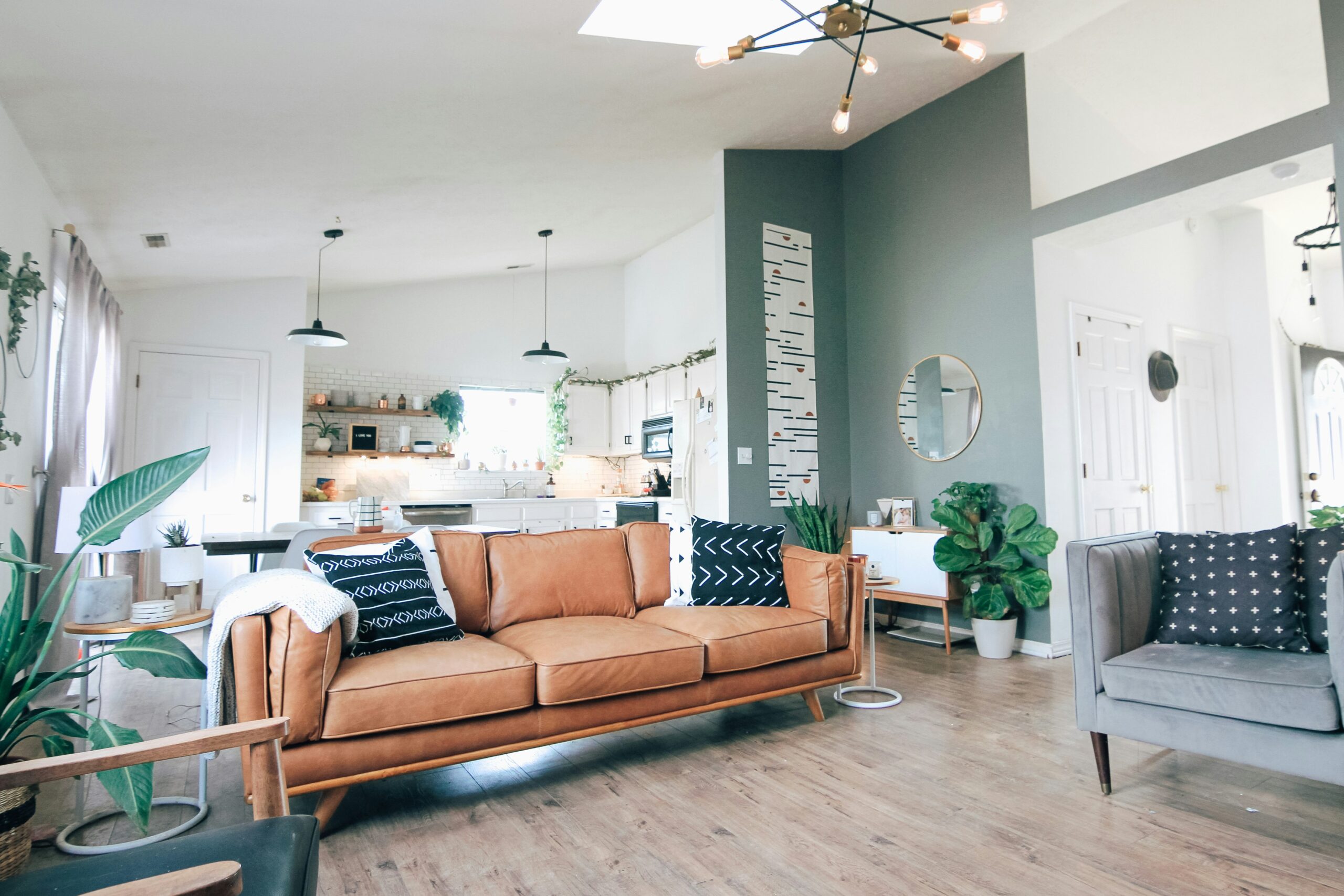
In my pursuit of embracing traditional African aesthetics within contemporary design contexts, I have discovered the beauty of creating a harmonious blend between modernity and tradition. This fusion allows me to honor cultural heritage while also adapting to current design trends—a balance that resonates deeply with me as someone who values both history and innovation.
I often experiment with juxtaposing modern furniture against traditional textiles or artwork—creating visual contrasts that highlight the strengths of each style. For example, pairing sleek Scandinavian-inspired chairs with vibrant Kente cloth cushions creates an eye-catching focal point while celebrating both aesthetics’ unique qualities. This blending approach not only enriches my living space but also invites dialogue about cultural exchange—a testament to how design can transcend boundaries.
In conclusion, embracing traditional African aesthetics has been an enriching journey for me—one that celebrates culture through artful expression while fostering connections within my living environment. By incorporating earthy tones, geometric patterns, handcrafted art pieces infused with symbolism alongside bold colors inspired by nature; integrating tribal influences; honoring architectural styles; showcasing traditional furniture; all culminating in creating harmonious blends between modernity & tradition—I find myself continually inspired by this vibrant tapestry woven throughout Africa’s diverse cultures!