Nestled in the heart of Cameroon, Korup National Park is a breathtaking expanse of biodiversity that has captivated my imagination. Spanning over 1,200 square kilometers, this park is one of Africa’s oldest rainforests, boasting an incredible array of flora and fauna. As I delve into the wonders of Korup, I am constantly reminded of the delicate balance that exists within this ecosystem. The park is home to more than 400 species of birds, countless mammals, and a staggering variety of plants, many of which are endemic to the region. The lush greenery and vibrant wildlife create a tapestry of life that is both awe-inspiring and humbling.
Visiting Korup National Park is like stepping into a living museum, where every corner reveals a new marvel. The dense canopy overhead filters sunlight, creating a dappled effect on the forest floor, while the sounds of chirping birds and rustling leaves fill the air. As I walk along the winding trails, I am struck by the sheer scale of the trees, some towering over 60 meters high. The park is not just a sanctuary for wildlife; it is also a vital resource for local communities who rely on its resources for their livelihoods. Understanding the significance of Korup National Park inspires me to think about how I can bring a piece of this rainforest magic into my own garden.
Creating a Rainforest Garden: Understanding the Climate and Soil
To create a rainforest garden that mirrors the beauty of Korup National Park, I first need to understand the unique climate and soil conditions that define such ecosystems. The climate in tropical rainforests is characterized by high humidity and consistent rainfall throughout the year. This means that I must choose plants that thrive in these conditions, as well as ensure that my garden can retain moisture effectively. I find it fascinating that the average annual rainfall in Korup exceeds 4,000 millimeters, which is significantly higher than many other regions. This knowledge guides me in selecting appropriate plants and designing my garden layout.
The soil in rainforest areas is often rich in organic matter but can also be surprisingly poor in nutrients due to leaching from heavy rains. To replicate this environment, I plan to enrich my garden soil with compost and organic fertilizers while ensuring good drainage. I have learned that incorporating mulch can help retain moisture and improve soil quality over time. By understanding these fundamental aspects of rainforest ecology, I can create a thriving garden that not only reflects the beauty of Korup National Park but also supports the diverse plant life that characterizes such ecosystems.
Incorporating Native Plants and Trees into Your Rainforest Garden
One of the most rewarding aspects of creating my rainforest garden is the opportunity to incorporate native plants and trees. These species are adapted to the local climate and soil conditions, making them more resilient and easier to maintain. As I research native plants from Cameroon, I discover a wealth of options that can bring authenticity to my garden. For instance, I am particularly drawn to the majestic African mahogany and the vibrant red-flowered Erythrina species, both of which are not only beautiful but also provide essential habitat for local wildlife.
Incorporating native plants also allows me to contribute to biodiversity conservation. By choosing species that are indigenous to my region, I can help support local ecosystems and provide food and shelter for native animals. I find joy in selecting plants that will attract pollinators like bees and butterflies, as well as birds that will add life and movement to my garden. Each plant I choose becomes a part of a larger story—one that connects my garden to the rich tapestry of life found in Korup National Park.
Designing a Water Feature Inspired by the Rainforest
A water feature can serve as a stunning focal point in my rainforest garden while also mimicking the natural streams and waterfalls found in Korup National Park. The sound of flowing water creates a serene atmosphere, inviting me to relax and enjoy the beauty around me. As I envision this feature, I consider incorporating elements like small ponds or cascading waterfalls that reflect the natural landscape of a rainforest.
To design my water feature, I plan to use natural stones and boulders to create a sense of authenticity. I want it to blend seamlessly with the surrounding plants and trees, much like how water flows through the forest floor in Korup. Additionally, I will ensure that my water feature is eco-friendly by using a recirculating pump system that minimizes water waste. This not only enhances the aesthetic appeal of my garden but also promotes sustainability—a principle that resonates deeply with me as I strive to honor the environment.
Attracting Wildlife to Your Rainforest Garden
Creating a rainforest garden is not just about aesthetics; it’s also about fostering an environment where wildlife can thrive. I am excited about the prospect of attracting various species to my garden, from colorful birds to playful squirrels. To achieve this, I will incorporate features such as bird feeders, nesting boxes, and native flowering plants that provide food sources for local fauna.
I have learned that certain plants are particularly effective at attracting wildlife. For example, flowering plants like hibiscus and passionflower are known to draw hummingbirds and butterflies, while fruit-bearing trees can provide sustenance for birds and small mammals. By carefully selecting these plants and creating diverse habitats within my garden, I can encourage a vibrant ecosystem that mirrors the rich biodiversity found in Korup National Park.
Utilizing Vertical Space with Climbing Plants and Vines
In my quest to create a lush rainforest garden, I realize the importance of utilizing vertical space effectively. Climbing plants and vines can add depth and dimension to my garden while also mimicking the layered structure of a rainforest canopy. As I explore various climbing species, I am particularly drawn to options like jasmine and bougainvillea, which not only provide beautiful blooms but also fill my garden with delightful fragrances.
Vertical gardening allows me to maximize space while creating an inviting atmosphere. By training vines to grow along trellises or arbors, I can create shaded areas that offer respite from the sun—much like the cool spots found beneath towering trees in Korup National Park. This approach not only enhances the visual appeal of my garden but also encourages biodiversity by providing additional habitats for insects and birds.
Creating a Canopy Walkway in Your Rainforest Garden
Inspired by the breathtaking canopy walkways found in Korup National Park, I envision incorporating a similar feature into my own garden. A canopy walkway would allow me to experience my garden from a new perspective while also providing an exciting adventure for visitors. As I plan this structure, I consider using sustainable materials like reclaimed wood or bamboo to align with my eco-friendly values.
The walkway will not only serve as an observation point but also as an educational tool where I can share information about the diverse plant species and wildlife inhabiting my garden. By creating an elevated path through the treetops, I can foster a deeper appreciation for nature while encouraging others to engage with their surroundings. This canopy walkway will become a symbol of connection—linking my garden to the wonders of Korup National Park.
Incorporating Traditional Cameroonian Elements into Your Garden Design
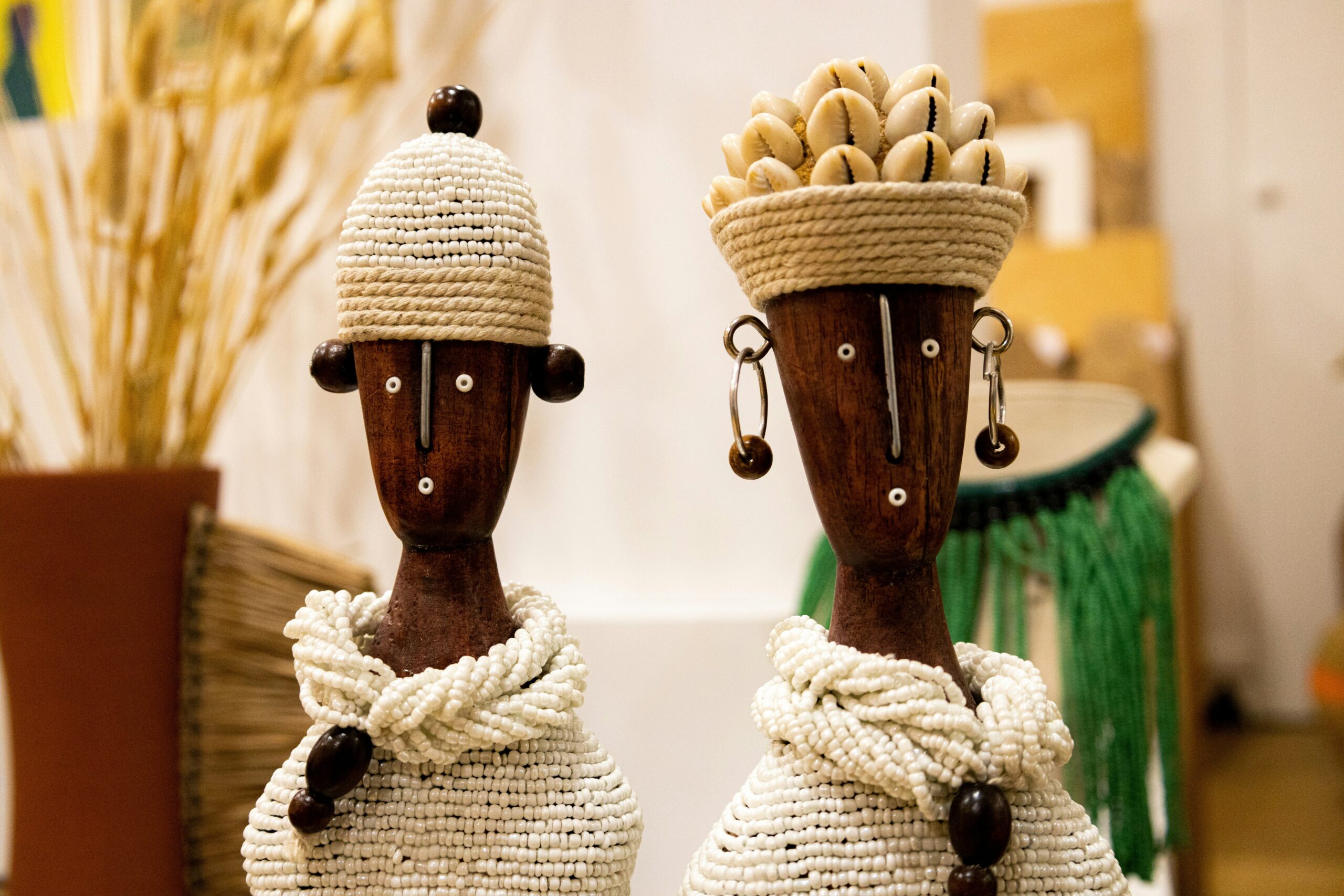
To further enrich my rainforest garden, I am eager to incorporate traditional Cameroonian elements into its design. This cultural infusion will not only pay homage to the rich heritage of Cameroon but also create a unique atmosphere that reflects my personal journey. One idea is to include traditional sculptures or carvings made by local artisans, which can serve as focal points throughout the garden.
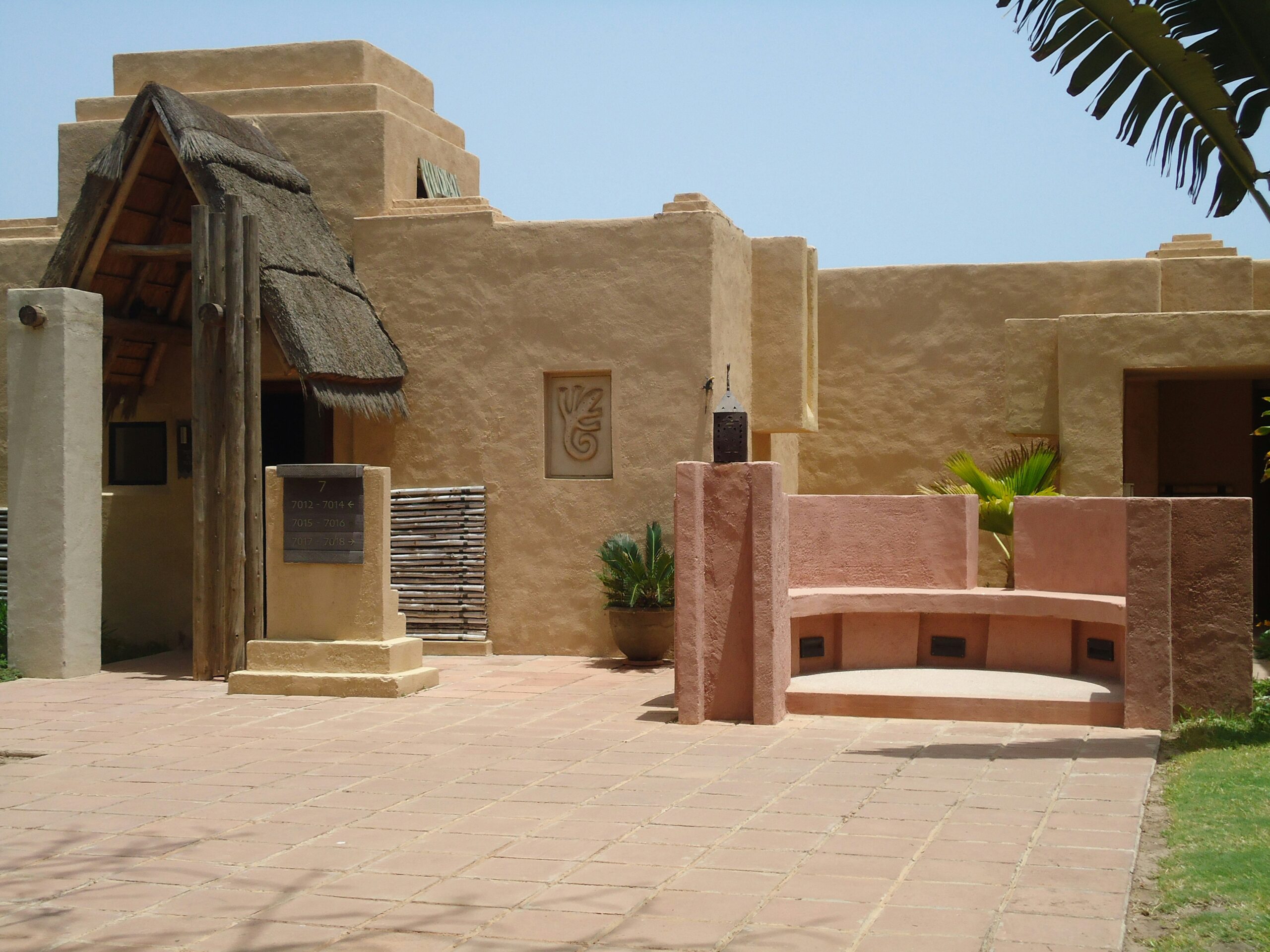
Additionally, I plan to create spaces for communal gatherings inspired by traditional Cameroonian architecture. A small seating area made from natural materials will invite friends and family to enjoy the beauty of nature together. By blending cultural elements with my rainforest theme, I can create a space that celebrates both biodiversity and community—a true reflection of what makes Cameroon so special.
Using Sustainable and Eco-Friendly Practices in Your Rainforest Garden
Sustainability is at the core of my vision for this rainforest garden. As I embark on this journey, I am committed to using eco-friendly practices that minimize environmental impact while promoting biodiversity. One key aspect is water conservation; I plan to implement rainwater harvesting systems that collect runoff from my roof for irrigation purposes.
Additionally, I will prioritize organic gardening methods by avoiding synthetic pesticides and fertilizers. Instead, I will focus on companion planting and natural pest control methods to maintain healthy plant growth without harming beneficial insects or wildlife. By embracing these sustainable practices, I hope to create a thriving ecosystem that mirrors the resilience found in Korup National Park while setting an example for others in my community.
Embracing the Diversity of the Rainforest with a Variety of Plant Species
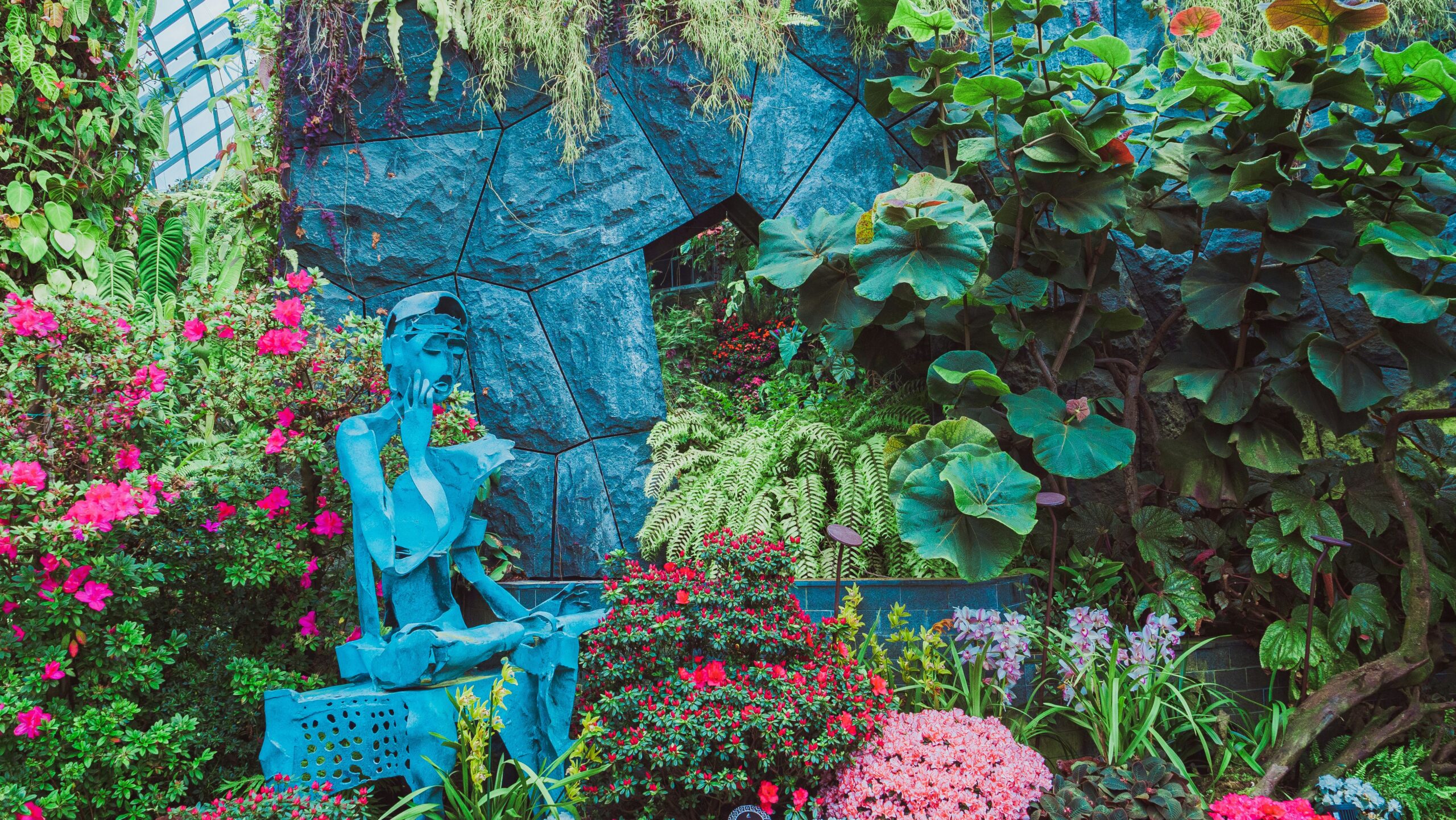
A hallmark of any rainforest is its incredible diversity, and I am determined to reflect this richness in my own garden. By incorporating a wide variety of plant species—ranging from towering trees to delicate ferns—I can create layers of vegetation that mimic the complexity of Korup National Park’s ecosystem. Each plant will play its role in supporting wildlife while contributing to the overall beauty of my garden.
I find joy in researching different plant species native to Cameroon, discovering unique textures, colors, and growth habits that will enhance my landscape. From vibrant flowering shrubs to lush groundcovers, each addition brings me closer to achieving a harmonious balance within my garden. Embracing this diversity not only enriches my personal experience but also fosters resilience against pests and diseases—an essential aspect of maintaining a healthy ecosystem.
Maintaining and Caring for Your Rainforest Garden in a Sustainable Manner
As my rainforest garden begins to take shape, I recognize that ongoing maintenance is crucial for its success. To ensure sustainability, I plan to adopt practices that promote long-term health without compromising environmental integrity. Regularly monitoring soil health through testing will allow me to make informed decisions about amendments while minimizing chemical inputs.
I also intend to establish a routine for pruning and caring for plants that encourages healthy growth while preventing overcrowding—a common challenge in lush gardens like mine. By embracing these sustainable maintenance practices, I can cultivate an environment where both plants and wildlife thrive harmoniously.
In conclusion, creating a rainforest garden inspired by Korup National Park is not just about aesthetics; it’s about fostering biodiversity, embracing sustainability, and celebrating cultural heritage. Through careful planning and thoughtful design choices, I aim to create an oasis that reflects the beauty of nature while providing joy and inspiration for years to come.