As I stand at the foot of Mount Cameroon, I am often struck by the breathtaking beauty of its landscapes. The mountain, an active volcano, rises majestically from the surrounding lush greenery, creating a unique ecosystem that is both diverse and vibrant. The varying altitudes and climates found on its slopes contribute to a rich tapestry of flora and fauna, making it a fascinating subject for anyone interested in gardening or landscape design. The interplay of volcanic soil, cool mountain air, and abundant rainfall creates an environment that is not only visually stunning but also teeming with life.
The landscapes of Mount Cameroon are characterized by their dramatic contrasts. From the dense rainforests at lower elevations to the alpine meadows near the summit, each zone offers a distinct array of plants and wildlife. This diversity inspires me to think about how I can incorporate elements of these landscapes into my own garden. By understanding the unique characteristics of Mount Cameroon, I can create a space that reflects its natural beauty while also thriving in my local environment.
Utilizing Native Plants in Cool Climate Gardens
One of the most rewarding aspects of gardening is the opportunity to work with native plants. In the context of cool climate gardens inspired by Mount Cameroon, I find that these plants not only adapt well to local conditions but also contribute to the overall health of the ecosystem. Native species have evolved to thrive in specific environments, making them resilient and low-maintenance choices for my garden. By selecting plants that are indigenous to the region, I can create a landscape that is both beautiful and sustainable.
In my quest to incorporate native plants, I have discovered a variety of species that flourish in cooler climates. For instance, I often choose ferns, which add lush greenery and texture to my garden while requiring minimal care. Additionally, flowering plants like the African violet or various types of orchids bring vibrant colors and attract pollinators such as bees and butterflies. By focusing on these native species, I not only enhance the aesthetic appeal of my garden but also support local wildlife and promote biodiversity.
Incorporating Volcanic Rock Features
The volcanic origins of Mount Cameroon provide a unique opportunity to incorporate natural rock features into my garden design. Volcanic rocks are not only visually striking but also serve practical purposes in landscaping. Their porous nature allows for excellent drainage, making them ideal for creating pathways or decorative borders. I find that using these rocks adds an element of authenticity to my garden, connecting it to the geological history of the region.
In addition to their functional benefits, volcanic rocks can be used creatively to enhance the visual appeal of my garden. I often arrange them in artistic formations or use them as focal points within planting beds. The contrast between the rugged texture of the rocks and the softness of surrounding plants creates a dynamic landscape that draws the eye. Furthermore, incorporating these natural elements helps me create a sense of place, reminding me of the powerful forces that shaped Mount Cameroon and its surroundings.
Creating Terraced Gardens for Sloped Landscapes
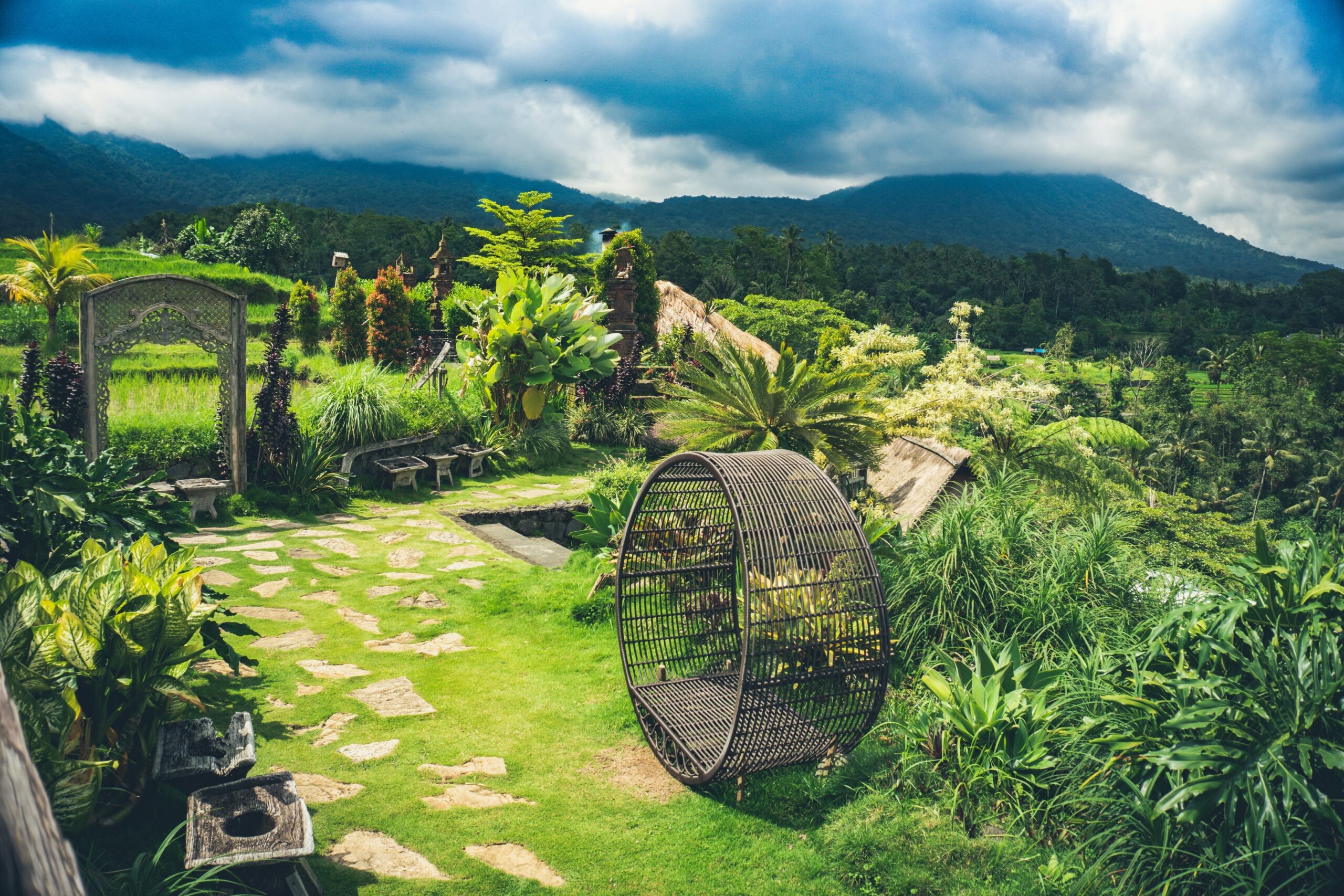
The slopes of Mount Cameroon are a testament to the beauty and functionality of terraced gardens. As I consider how to design my own garden on a sloped landscape, I am inspired by the way terraces can maximize space while preventing soil erosion. By creating flat areas on an incline, I can cultivate a variety of plants while ensuring that water drains effectively and does not wash away precious topsoil.
Building terraced gardens requires careful planning and consideration of both aesthetics and practicality. I often start by mapping out the slope and determining how many levels I want to create. Each terrace can be planted with different species, allowing me to experiment with various heights, colors, and textures. Additionally, incorporating retaining walls made from natural materials can enhance the overall design while providing structural support. The result is a visually appealing garden that mirrors the terraced landscapes found on Mount Cameroon.
Embracing the Diversity of Flora and Fauna
One of the most captivating aspects of Mount Cameroon is its incredible biodiversity. As I explore its slopes, I am constantly amazed by the variety of plant and animal life that thrives in this unique environment. This diversity inspires me to create a garden that celebrates the rich tapestry of flora and fauna found in my own region. By incorporating a wide range of species, I can foster a vibrant ecosystem that supports both plants and wildlife.
In my garden design, I strive to include plants that attract various pollinators and beneficial insects. For example, I often plant flowering herbs like lavender and rosemary, which not only add fragrance but also draw bees and butterflies. Additionally, I make an effort to provide habitats for birds and small mammals by incorporating native shrubs and trees. By embracing this diversity, I create a dynamic garden that is alive with activity and contributes positively to the local environment.
Designing Water Features Inspired by Mountain Streams
The crystal-clear streams that cascade down the slopes of Mount Cameroon are a source of inspiration for my own garden’s water features. The soothing sound of flowing water creates a tranquil atmosphere that enhances any outdoor space. As I consider how to incorporate water elements into my garden design, I am reminded of the importance of creating habitats for aquatic life while also providing a serene retreat for myself.
I often envision a small pond or stream that mimics the natural waterways found on Mount Cameroon. By using natural stones and native plants around the water’s edge, I can create a seamless transition between land and water. Additionally, incorporating features like waterfalls or gentle cascades adds movement and sound to my garden, making it an inviting space for relaxation and contemplation. The presence of water not only enhances the aesthetic appeal but also attracts wildlife, further enriching my garden’s ecosystem.
Using Natural Materials for Hardscaping
When it comes to hardscaping in my garden, I am drawn to natural materials that reflect the rugged beauty of Mount Cameroon. Using stone, wood, and other organic materials allows me to create pathways, seating areas, and borders that blend harmoniously with the surrounding landscape. This approach not only enhances the visual appeal but also promotes sustainability by utilizing resources that are locally sourced.
I often choose materials like reclaimed wood for raised beds or seating areas, as they add warmth and character to my garden. Similarly, using locally sourced stone for pathways creates a rustic charm while ensuring durability. By incorporating these natural elements into my hardscaping design, I create spaces that feel authentic and connected to nature. This commitment to using natural materials helps me cultivate an environment that is both beautiful and environmentally responsible.
Implementing Sustainable Gardening Practices
Sustainability is at the forefront of my gardening philosophy, especially when drawing inspiration from the ecosystems found on Mount Cameroon. Implementing sustainable practices not only benefits my garden but also contributes positively to the environment as a whole. From composting kitchen scraps to using organic fertilizers, I strive to minimize my ecological footprint while nurturing healthy plants.
One practice I find particularly rewarding is rainwater harvesting. By collecting rainwater from my roof in barrels, I can irrigate my garden without relying on municipal water sources. This not only conserves water but also provides my plants with natural hydration free from chemicals found in tap water. Additionally, I prioritize companion planting and crop rotation to promote soil health and reduce pest issues naturally. These sustainable practices allow me to cultivate a thriving garden while respecting the delicate balance of nature.
Adapting Garden Layouts to Mimic Mount Cameroon’s Varied Terrain
The varied terrain of Mount Cameroon presents an exciting challenge when it comes to designing my own garden layout. By mimicking the natural contours and elevations found on the mountain, I can create a dynamic space that feels both organic and intentional. This approach allows me to showcase different plant species while also addressing practical considerations such as drainage and sunlight exposure.
I often start by analyzing my garden’s topography and identifying areas with varying elevations. By creating raised beds or sunken gardens, I can replicate the diverse habitats found on Mount Cameroon. This not only adds visual interest but also allows me to experiment with different microclimates within my garden. For instance, sun-loving plants can thrive on higher ground while shade-tolerant species flourish in lower areas. This thoughtful layout enhances both the beauty and functionality of my outdoor space.
Incorporating Indigenous Cultural Elements into Garden Design
As I delve deeper into creating a garden inspired by Mount Cameroon, I recognize the importance of incorporating indigenous cultural elements into my design. The rich cultural heritage of the region is intertwined with its natural landscapes, offering valuable insights into traditional gardening practices and plant uses. By honoring this cultural connection, I can create a garden that tells a story while celebrating local traditions.
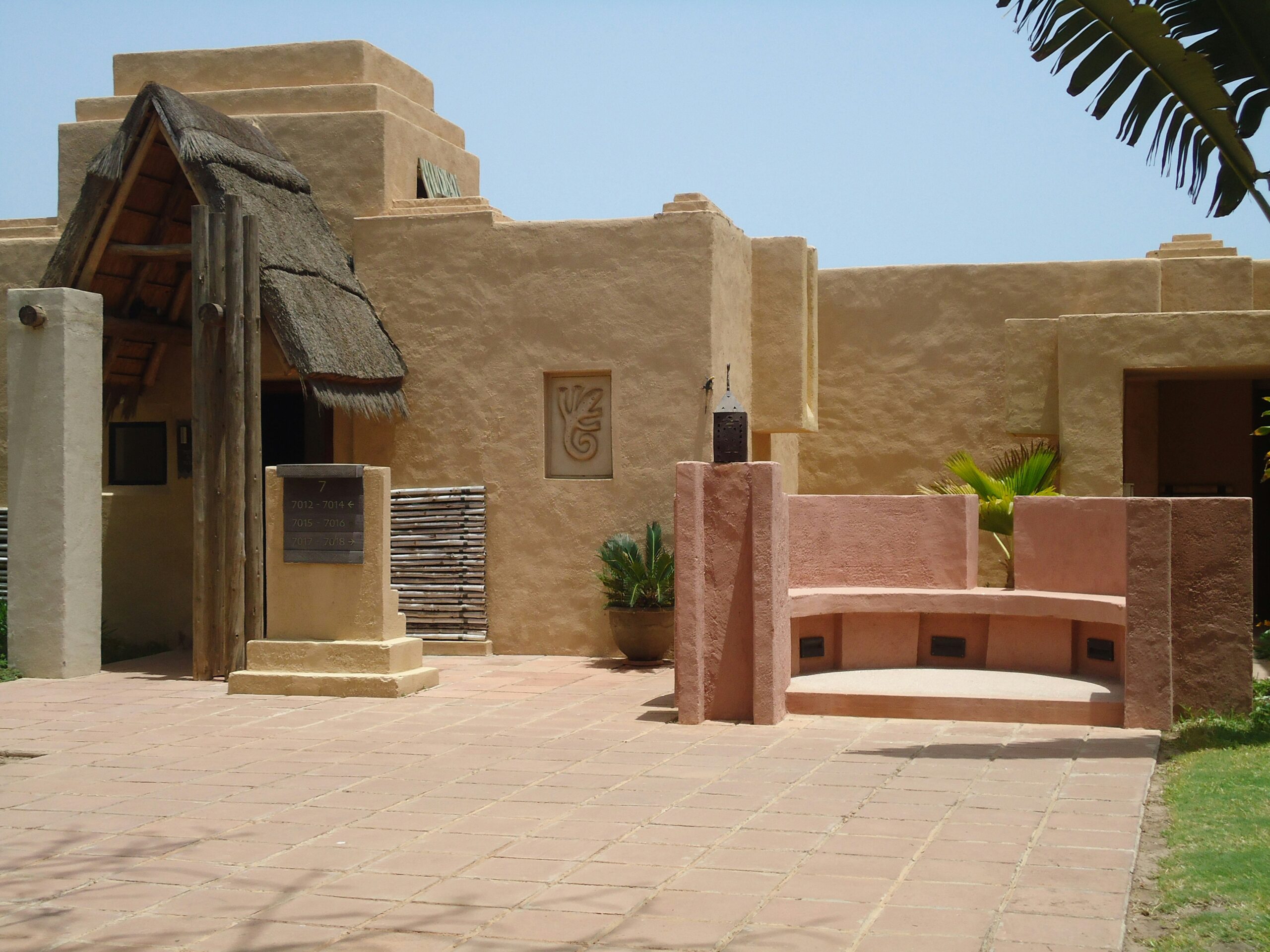
I often seek out traditional plant varieties used by indigenous communities for food or medicinal purposes. Incorporating these plants not only adds depth to my garden but also pays homage to the knowledge passed down through generations. Additionally, I consider integrating cultural symbols or art forms into my landscape design—such as sculptures or patterns inspired by local crafts—to create focal points that resonate with visitors. This blend of nature and culture enriches my garden experience while fostering a deeper appreciation for the heritage of Mount Cameroon.
Tips for Maintaining Cool Climate Gardens Inspired by Mount Cameroon Landscapes
Maintaining a cool climate garden inspired by Mount Cameroon requires attention to detail and an understanding of seasonal changes. As I navigate this journey, I’ve learned several tips that help ensure my garden thrives throughout the year. One key aspect is monitoring soil moisture levels; cool climate gardens can experience fluctuations in temperature and precipitation that affect plant health.
Regular mulching is another practice I find beneficial for retaining soil moisture while suppressing weeds. Organic mulches like wood chips or straw not only improve soil structure as they decompose but also provide insulation during colder months. Additionally, pruning plants during their dormant season helps promote healthy growth in spring while maintaining an aesthetically pleasing shape throughout winter.
In conclusion, drawing inspiration from Mount Cameroon’s diverse landscapes has transformed my gardening approach into one that celebrates nature’s beauty while promoting sustainability and cultural appreciation. By utilizing native plants, incorporating volcanic rock features, creating terraced gardens, embracing biodiversity, designing water features, using natural materials for hardscaping, implementing sustainable practices, adapting layouts to mimic varied terrain, incorporating indigenous cultural elements, and maintaining thoughtful care throughout seasons—I have cultivated a vibrant outdoor space that reflects both personal passion and respect for nature’s wonders.