As I delve into the rich history and architectural splendor of the Foumban Royal Palace, I find myself captivated by its significance in the cultural tapestry of Cameroon. Located in the heart of the Noun Division, this palace serves as a testament to the artistic and historical legacy of the Bamoun people. The palace is not merely a residence; it is a symbol of power, tradition, and the intricate craftsmanship that defines the region. Built in the early 20th century, the Foumban Royal Palace showcases a unique blend of traditional African architecture and colonial influences, making it a fascinating subject for exploration.
The palace’s design reflects the values and beliefs of the Bamoun kingdom, with its intricate carvings, vibrant murals, and spacious courtyards. Each element tells a story, from the ornate wooden doors that guard its entrance to the beautifully decorated walls that depict historical events and cultural practices. As I walk through its halls, I can almost hear the echoes of past ceremonies and royal gatherings, each corner steeped in history. The Foumban Royal Palace is not just an architectural marvel; it is a living museum that continues to inspire and educate those who visit.
Traditional African Courtyard Home Design
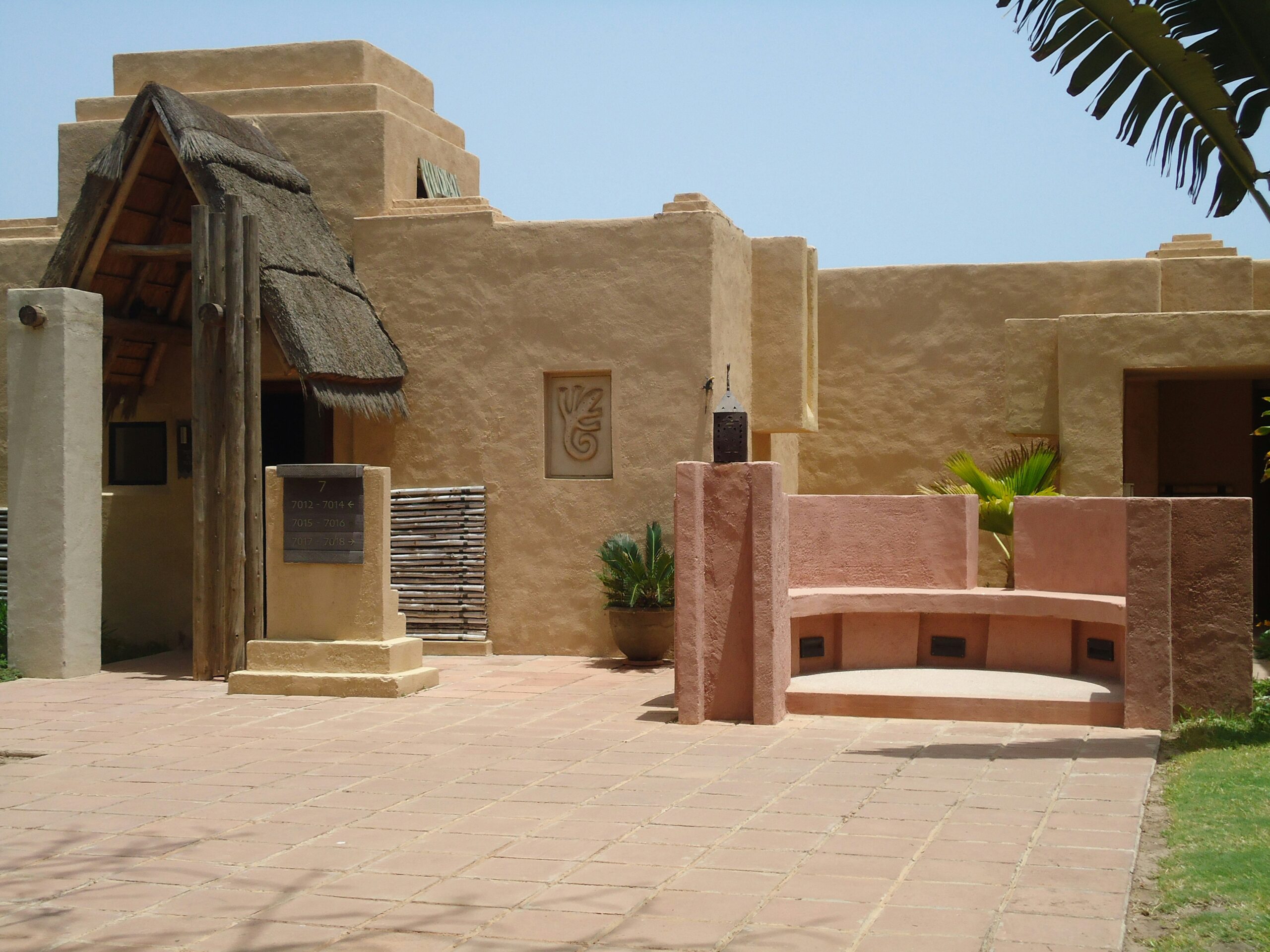
When I think about traditional African courtyard home design, I envision a harmonious blend of functionality and aesthetics. These homes are often characterized by their central courtyards, which serve as communal spaces for family gatherings, celebrations, and daily activities. The layout is typically circular or rectangular, with rooms arranged around the courtyard, allowing for easy access and interaction among family members. This design fosters a sense of community and connection, which is essential in many African cultures.
The materials used in constructing these homes are often locally sourced, reflecting the environment and climate of the region. Mud bricks, thatch roofs, and wooden beams are common features that not only provide shelter but also blend seamlessly with the natural surroundings. As I explore various examples of courtyard homes across Africa, I am struck by how these designs prioritize ventilation and natural light, creating comfortable living spaces that adapt to the changing seasons. The traditional African courtyard home is a testament to the ingenuity of its builders, showcasing a deep understanding of both architecture and community living.
Incorporating Cultural Elements into Courtyard Homes
In my journey to understand courtyard homes, I have come to appreciate how cultural elements are intricately woven into their design. Each home tells a story about its inhabitants, reflecting their beliefs, traditions, and social structures. For instance, many courtyard homes feature decorative motifs that represent ancestral spirits or significant cultural symbols. These elements not only enhance the aesthetic appeal but also serve as reminders of the family’s heritage and identity.
As I consider my own living space, I am inspired to incorporate similar cultural elements into my home. This could be achieved through artwork, textiles, or even architectural details that resonate with my background. By doing so, I can create a space that feels personal and meaningful while also celebrating my cultural roots. The beauty of courtyard homes lies in their ability to adapt to individual stories while maintaining a connection to broader cultural narratives.
Sustainable Building Practices in African Courtyard Homes
Sustainability is a crucial aspect of traditional African courtyard homes that often goes unnoticed. As I explore this topic further, I realize that these homes have been designed with sustainability in mind for generations. The use of local materials not only reduces transportation costs but also minimizes environmental impact. Additionally, the natural ventilation provided by the courtyard design helps regulate indoor temperatures, reducing reliance on artificial cooling systems.
Moreover, many traditional building practices emphasize the importance of using renewable resources. For example, thatch roofs made from grasses or palm leaves are not only effective insulators but also biodegradable at the end of their life cycle. As I reflect on these practices, I am reminded of the importance of integrating sustainability into modern architecture. By learning from traditional methods, we can create homes that are not only environmentally friendly but also culturally relevant.
Utilizing Local Materials in Courtyard Home Construction
The use of local materials in courtyard home construction is a practice that resonates deeply with me. It speaks to a sense of place and identity that is often lost in modern architecture. In many African communities, builders rely on materials that are readily available in their environment—such as clay for bricks, timber from local trees, and stones from nearby quarries. This not only supports local economies but also ensures that homes are well-suited to their surroundings.
As I consider my own home improvement projects, I am inspired to seek out local materials that reflect my community’s character. Whether it’s incorporating reclaimed wood or using locally sourced stone for landscaping, these choices can create a stronger connection between my home and its environment. By embracing local materials, I can contribute to sustainable practices while celebrating the unique qualities of my region.
Courtyard Home Layout and Functionality
The layout of courtyard homes is designed with functionality at its core. As I analyze various designs, I notice how each room serves a specific purpose while maintaining an open flow throughout the space. The central courtyard acts as a focal point where family members can gather for meals, storytelling, or simply enjoying each other’s company. This layout encourages interaction and fosters a sense of belonging among residents.
In addition to promoting social connections, courtyard layouts also provide practical benefits such as natural light and ventilation. Rooms surrounding the courtyard can be strategically placed to maximize airflow and minimize heat retention during hot months. As I think about my own living space, I realize how important it is to create areas that encourage both privacy and community engagement. A well-thought-out layout can transform a house into a home where relationships flourish.
Courtyard Home Decor and Furnishings Inspired by Foumban Royal Palace
The decor and furnishings within courtyard homes can draw inspiration from iconic structures like the Foumban Royal Palace. As I explore this idea further, I envision incorporating elements such as intricate carvings, vibrant textiles, and handcrafted pottery into my living space. These decorative choices not only enhance the aesthetic appeal but also pay homage to the rich cultural heritage represented by the palace.
In my quest for decor inspiration, I find myself gravitating towards pieces that tell a story—whether it’s a handwoven basket from a local artisan or a carved wooden sculpture representing ancestral figures. By curating decor that reflects my cultural background and values, I can create an environment that feels authentic and inviting. The influence of the Foumban Royal Palace serves as a reminder of the beauty found in cultural expression through art and design.
Modern Interpretations of African Courtyard Homes
As I explore modern interpretations of African courtyard homes, I am fascinated by how architects are blending traditional designs with contemporary aesthetics. These modern adaptations often incorporate sustainable technologies while maintaining the essence of communal living that defines courtyard homes. For instance, large glass doors may replace solid walls to create an open connection between indoor and outdoor spaces while still preserving the central courtyard’s significance.
In my own home design aspirations, I find inspiration in these modern interpretations. By integrating elements such as solar panels or rainwater harvesting systems into a traditional courtyard layout, I can create a space that honors cultural heritage while embracing innovation. This fusion of old and new allows for greater flexibility in design while ensuring that the core values of community living remain intact.
Courtyard Home Landscaping and Outdoor Spaces
Landscaping plays an essential role in enhancing the beauty and functionality of courtyard homes. As I consider outdoor spaces within these designs, I am reminded of how gardens can serve as extensions of living areas—providing opportunities for relaxation, recreation, and even food production. Many traditional courtyard homes feature lush gardens filled with native plants that attract pollinators and create serene environments for families to enjoy.
In my own landscaping endeavors, I aim to create outdoor spaces that reflect both beauty and utility. Incorporating edible plants alongside ornamental flowers can transform my garden into a vibrant ecosystem while providing fresh produce for my family. Additionally, creating shaded areas with seating can encourage outdoor gatherings—mirroring the communal spirit found in traditional courtyard homes.
Courtyard Home Security and Privacy Considerations
Security and privacy are vital considerations when designing courtyard homes. As I reflect on this aspect, I recognize how traditional designs often incorporate walls or fences around courtyards to create safe havens for families. These barriers not only provide physical security but also establish boundaries that foster privacy within communal living spaces.
In my own home design plans, I am inspired to think creatively about security measures without compromising aesthetics. For instance, incorporating natural barriers such as hedges or trellises can enhance privacy while adding beauty to outdoor spaces. Additionally, thoughtful placement of windows can allow for natural light while maintaining seclusion from neighbors—striking a balance between openness and security.
Tips for Incorporating African Courtyard Home Ideas into Your Own Home
As I conclude my exploration of African courtyard homes, I am eager to share tips for incorporating these ideas into my own living space. First and foremost, embracing local materials is key; sourcing bricks or timber from nearby suppliers not only supports local economies but also creates a sense of place within my home.
Next, considering layout is essential—designing spaces that encourage interaction among family members while providing areas for privacy can enhance overall functionality. Finally, infusing cultural elements through decor allows me to celebrate my heritage while creating an inviting atmosphere.
By integrating these principles into my home design journey, I can create a space that reflects both tradition and modernity—a true embodiment of what it means to live in harmony with culture and community.